
Ever wondered what an owl’s nest looks like? You’re not alone—turns out, there’s a lot more to it than you might guess.
Owls usually make their nests from twigs, leaves, moss, and grasses. These nests often have a deep bowl shape and you’ll find them tucked inside tree cavities, perched on branches, or sometimes just sitting on the ground. They line the inside with soft stuff—think feathers or fur—to keep their eggs and chicks warm.

Owls don’t bother with fancy nests like some birds do, but what they build is sturdy and safe. The type of owl really changes the size and spot of the nest.
Some owls love big holes in old trees. Others might just move into an abandoned nest from another bird, or even settle for a simple platform right on the ground.
Spotting an owl’s nest isn’t easy. But if you know what to look for, you’ll have a much better shot at finding one in the wild or maybe even in your neighborhood.
Once you get the hang of it, these quiet little homes start popping up in the most unexpected places. Just be careful when you’re out exploring—owls put real effort into making a cozy spot for their young.
What Does an Owl Nest Look Like?
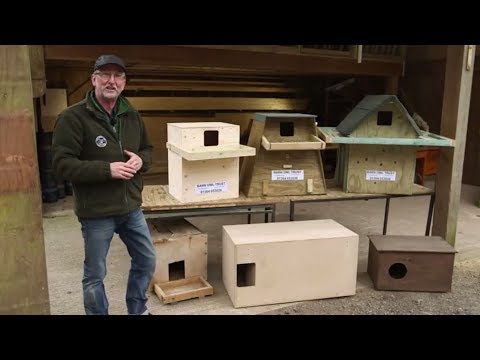
Owl nests come in all sorts of shapes, sizes, and spots, depending on the species. Some owls keep it simple with nests on the ground.
Others build sturdy homes high up in tree cavities or on branches. The materials they pick help keep eggs and chicks safe and warm.
Nest Structure and Materials
Owls gather twigs, leaves, moss, and grasses to make their nests. Barn Owls, for example, sometimes build flat platforms from sticks and grass right on the ground.
Great Horned Owls often move into tree cavities or take over old nests built by hawks. They don’t always start from scratch.
Inside, they use feathers, fur, or soft grass for lining. This soft layer keeps eggs and owlets warm and snug.
When trees are hard to find, like in open areas, owls such as the Great Grey Owl just build their nests on the ground with moss and leaves. These materials help shield the chicks from the cold.
Common Features of Owl Nests
Most owl nests have a deep, bowl-like base and a flat top. The entrance is usually oval or round and faces away from harsh wind or rain.
These nests are tough enough to keep owlets safe from predators.
Owls might reuse the same nest for several years. Some nests sit inside tree hollows, while others turn up on cliffs, in old buildings, or even in man-made boxes.
Nest size really depends on the owl and where they live, but the main goal is always to protect the young.
How to Identify an Owl Nest
You can spot an owl nest by looking for clues like piles of feathers, droppings, or leftover food nearby. Listening for hoots or owl calls at night might help you narrow down the area.
Owl nests are often hidden up in thick trees or high branches. Sometimes, you’ll find them on the ground if there aren’t many trees around.
Look for natural holes or abandoned nests—owls tend to move in rather than build from scratch. If you see adults flying in and out or hear owlets calling, you’ve probably found a nest.
Want to dig deeper? Check out What Does a Owl’s Nest Look Like? (https://birdpursuits.com/what-does-a-owls-nest-look-like/).
Where and How Different Owls Nest

Owls pick all sorts of places for their nests, and it really depends on the species and where they live. Some like the comfort of tree hollows or natural holes.
Others go for ground spots or even man-made structures. Their choices come down to safety, food, and shelter from the weather.
Tree Cavities and Natural Cavities
Barred owls and great horned owls love nesting in tree cavities. These hollows form in old or dead trees and keep predators and bad weather out.
You’ll often see great horned owls using big trees like oaks or pines. Sometimes, they take over old nests from hawks or crows.
Natural cavities offer darkness and warmth, which helps keep eggs safe and owlets cozy. Forests and wooded areas with the right trees are perfect for this.
Ground and Open Area Nests
Some owls just nest on the ground or in wide open spaces. Take the snowy owl—they build right on the tundra, far from any trees.
Their nests are pretty basic, just moss, grasses, and twigs. Barn owls sometimes nest on the ground too, but they’ll also use barns or old buildings if they’re close to food.
On the ground, owls pick spots with good cover to hide their eggs and chicks from predators. In places without many trees, ground nesting is pretty common for certain species.
Man-Made Nests and Nest Boxes
Nest boxes are getting more popular, especially in cities or on farms. People build these boxes to mimic natural tree hollows and give owls a safe place to nest.
Barn owls love using nest boxes in barns or quiet sheds. If you want to help out local owls, you can set up a box yourself.
Long-eared owls and some other species will also use nest boxes. These man-made nests help owls out when natural spots are hard to find.
Notable Owl Species Nesting Examples
Great horned owls usually pick high spots in big trees, often grabbing old nests left by other birds. They like trees close to easy prey and spots with wide, open views.
Barred owls go for natural cavities in thick forests. They tend to stick with the same nesting tree year after year, probably because it just works for them—safe, quiet, and close to food.
Snowy owls do things differently and nest right on the open ground of the Arctic tundra. They depend on their camouflaged feathers and those endless views to keep their nests safe.
Barn owls? They’re pretty adaptable. You’ll find them in barns, tree holes, and even nest boxes. Their nests are usually simple and flat, using sticks and soft grass to keep the eggs warm.
If you want to spot an owl’s home or help with conservation, it helps to know where each species likes to nest. Every owl seems to have its own favorite spot that matches its habits and needs.
Curious to learn more about owl nests? Check out where do owls nest.


