
Ever wondered where owls actually live in the UK? You’ll find them in all sorts of places—moorlands, farmlands, woodlands, and sometimes even tucked away in old barns or abandoned buildings.
Different owl species have their own favorite spots. They pick places that match their hunting styles and nesting needs.
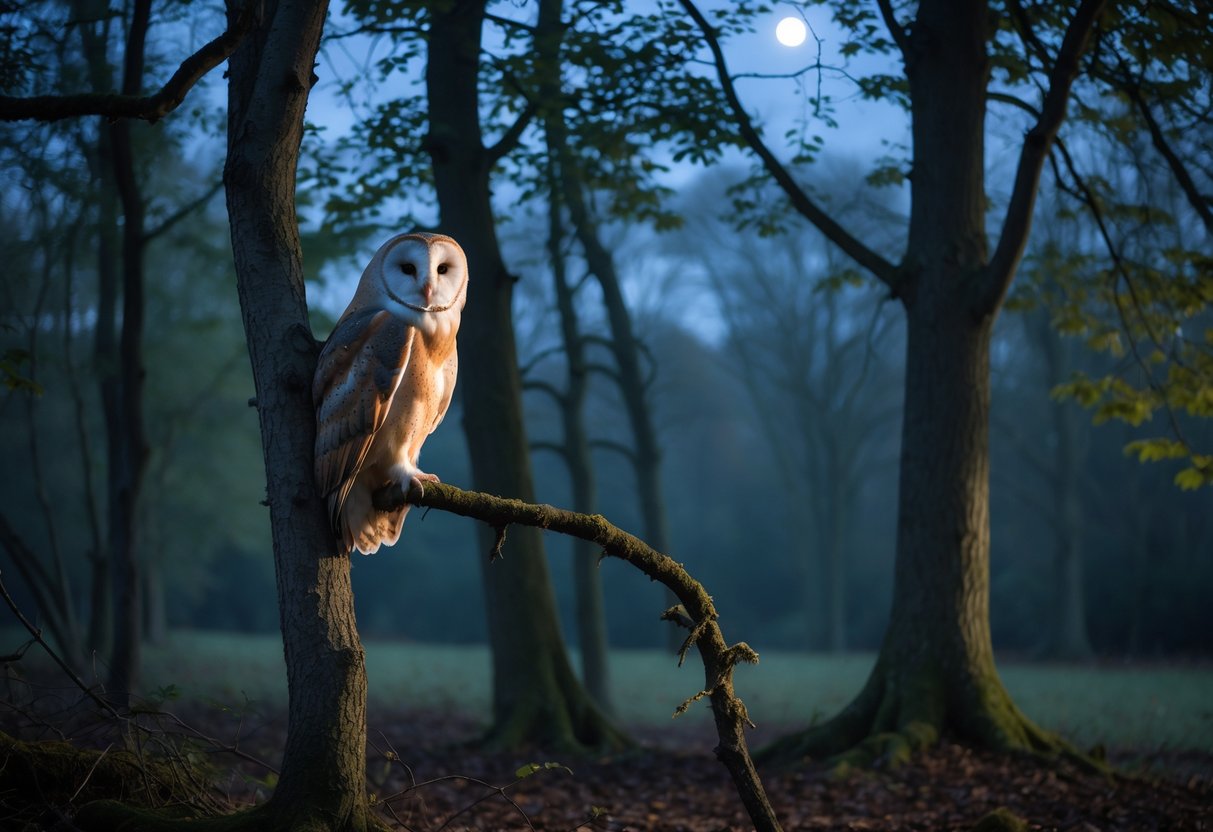
Barn owls might glide over grasslands searching for prey. Short-eared owls? They love open moorlands with tall grasses or heather.
If you know where to look, you’ll have a much better shot at spotting these birds. Whether you’re hiking or just wandering the countryside, it’s always a bit of a thrill to see one.
Where Owls Live in the UK

Owls in the UK pick their homes based on species and what they need day-to-day. Some hang out in open fields, while others hide away in deep woods.
You might even catch sight of an owl near a house or in a garden if the setting feels right for them. Each species has its own preferences.
Native Owl Species and Their Ranges
The UK has five main native owls: Barn Owl, Tawny Owl, Little Owl, Long-Eared Owl, and Short-Eared Owl.
Barn Owls show up mostly in lowland rural areas. They usually avoid the Scottish Highlands.
Tawny Owls are everywhere, especially in woodlands. Little Owls, introduced years ago, mostly stick to southern England.
Long-Eared Owls go for woodland edges and farmland. Short-Eared Owls spend their time in open moorlands and grasslands.
Each species sticks to places that suit its style.
Habitats Preferred by UK Owls
Owls pick their homes based on food, shelter, and staying safe. Barn Owls nest in old barns or tree holes.
Tawny Owls hide out in dense woods, keeping out of sight during the day. Long-Eared Owls like thick forests and edges of farmland.
Short-Eared Owls hunt across open fields and moorlands. Little Owls go for open countryside dotted with trees.
Most owls need quiet, dark spots for resting and hunting, especially around dusk and dawn. If you want to spot them, knowing their favorite habitats definitely helps.
Urban Areas and Garden Habitats
Not all owls stick to the wild. Some have learned to live in towns and gardens.
Tawny Owls are the most common city dwellers. They often pick parks, big gardens, and wooded areas in suburbs.
Barn Owls sometimes hunt close to town edges, where fields meet buildings. If you grow trees and keep a quiet corner in your garden, you might attract an owl or two.
Urban owls still need safe hiding places and a steady supply of small animals to eat.
Regional Distribution of UK Owls
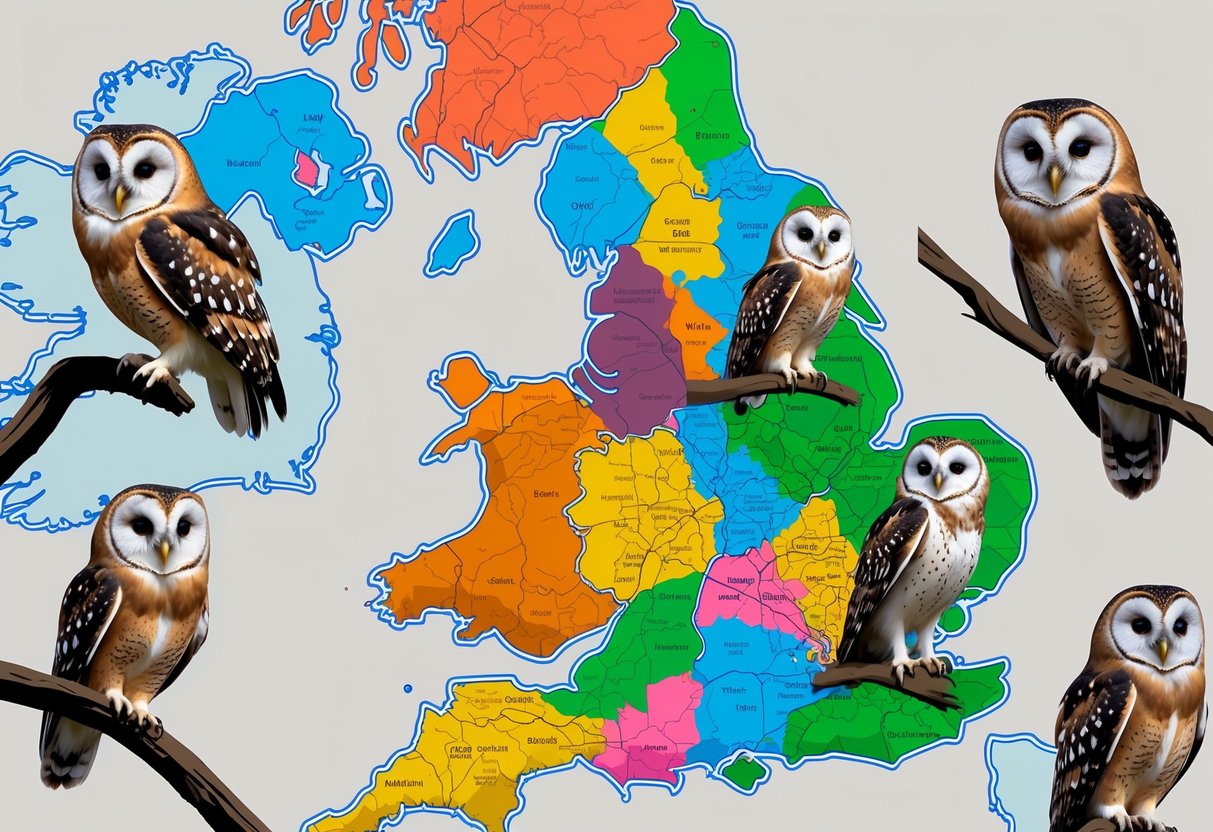
Owls in the UK settle in different regions, each with its own appeal. Some stick to woodlands, while others go for open farmland or even coastal spots.
They choose places where they can find food and safe nesting sites.
England: Woodland and Farmland Habitats
In England, owls mostly live in woodlands and farmland. Tawny Owls are everywhere in forests, nesting in tree holes.
Barn Owls love old barns and farm buildings, hunting for small mammals in open fields. Little Owls show up in farmland and parklands, often nesting in tree cavities or nestboxes.
Long-Eared Owls prefer dense woodland edges and sometimes farmland with scattered trees. If you’re out in the countryside, listen for their calls in the evening.
These habitats give them food and shelter for raising their young.
Scotland: Remote Highlands and Islands
Scotland’s highlands and islands offer a tougher home for owls. Short-Eared Owls hunt across moorlands and peat bogs at dusk.
Barn Owls aren’t as common here but still turn up in some farmland valleys. Tawny Owls stick to wooded regions and forest edges.
You might hear them near old pine forests. On the islands, barn owls and long-eared owls find peace where there’s not much human disturbance.
You’ll probably need to explore remote spots and listen carefully, since Scottish owls are shy and mostly active at night.
Wales: Upland and Coastal Regions
Wales mixes upland hills, forests, and coastal areas. Tawny Owls live mainly in woodlands here.
Barn Owls nest in farm buildings and hunt in open valley fields. The uplands give short-eared owls plenty of open moorland to roam.
Little Owls are rarer but sometimes turn up near farmlands and parks. Coastal spots, where cliffs meet grasslands, also attract owls.
With so many different landscapes, you’ve got a decent chance of spotting various species if you’re out at the right time.
Northern Ireland: Forests and Wetlands
Northern Ireland doesn’t have a ton of owls, but you’ll still find a few species if you know where to look.
Tawny owls show up most often. They like mature forests, especially spots with plenty of old trees and cozy cavities for nesting.
You might catch their hoots echoing around wooded parks or bigger stretches of forest.
Barn owls aren’t as common, though you can sometimes spot them near farmland dotted with old buildings.
Some owls hunt in wetlands, swooping over areas where small rodents and insects seem to be everywhere.
Since owl numbers run a bit lower here, you’ll probably need some patience to see one. Try listening for their calls at dawn or just after sunset—those are your best bets.


