
When an owl gets angry, it doesn’t just sit there quietly. Owls show their anger by snapping their beaks, clicking their tongues, hissing, and sometimes making a rasping sound that almost reminds you of a rattlesnake.
They use these noises as warnings, especially if they think their nest or territory is in danger.
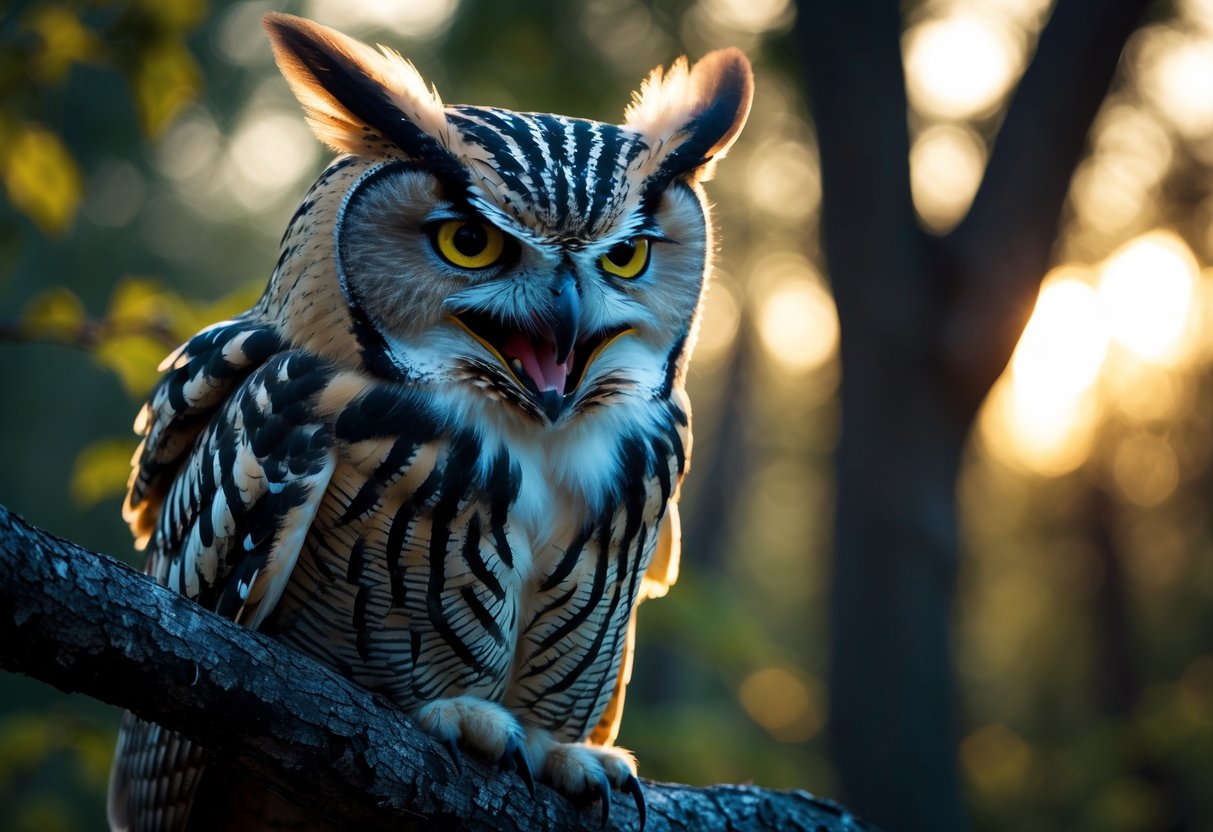
Most people picture owls as silent, mysterious birds, but honestly, they get pretty loud when they’re upset.
These different sounds help them protect themselves and let others know there’s trouble.
If you ever hear an angry owl, you’re actually witnessing a pretty rare moment—it’s how they defend their space.
When you start to recognize these sounds, you’ll know when an owl feels disturbed.
That’s usually your cue to back off and give the bird some room.
Want to dive deeper? You can check out what kind of sound an owl makes when angry.
Recognizing Angry Owl Sounds
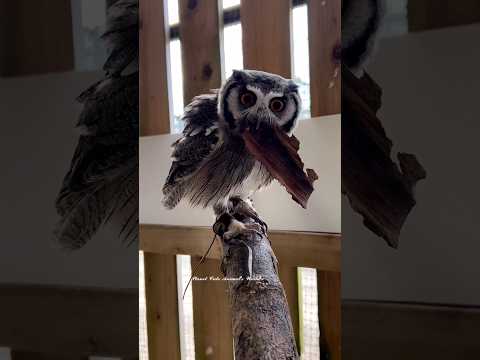
Owls use sharp, clear sounds to show they’re upset or feel threatened.
These noises stand out compared to their usual hoots or softer calls.
You can start to pick them out by focusing on what the sounds are like, how they differ from calm calls, and examples from some common owl species.
Common Angry Noises: Screeches, Hisses, and Growls
When an owl gets angry, it usually lets out loud screeches or harsh hisses.
These noises serve as warnings to others.
Owls might also growl or click by snapping their beaks quickly.
-
Screeches sound high-pitched and almost like a scream.
-
Hisses are sharp, a bit like a cat’s, and mean the owl feels threatened.
-
Growls come out low and rough, showing strong anger or warning.
These sounds often come out of nowhere and really grab your attention.
If you hear them, the owl is probably trying to protect itself or its space.
Differences Between Angry and Neutral Owl Calls
Neutral owl sounds, like hoots, have a smooth and steady vibe.
You’ll hear these when an owl’s just communicating or maybe trying to attract a mate.
Angry owl sounds, on the other hand, are sharp, quick, and much more jarring.
-
Neutral calls: calm, rhythmic, sometimes even a little melodic.
-
Angry calls: short, loud, and harsh, with quick changes in tone.
Angry sounds feel urgent and defensive.
If you listen for it, you can tell when an owl goes from calm to mad.
Examples From Common Owl Species
Different owls have their own style when they get angry.
Barn Owls often let out a high, long screech if they’re upset.
Great Horned Owls snap their beaks and hiss pretty loudly when disturbed.
Screech Owls make harsh, raspy sounds that are hard to miss at night.
Here’s a quick summary:
| Owl Species | Angry Sound Type | Description |
|---|---|---|
| Barn Owl | Screech | Long, sharp, piercing call |
| Great Horned Owl | Beak snaps and hisses | Loud clicks and sharp, warning hiss |
| Screech Owl | Raspy harsh sounds | Rough and sharp noises to ward off threats |
If you learn these specific sounds, it’s easier to know when an owl feels angry or threatened.
That way, you can give them space and avoid stressing them out.
For more details, check out the range of owl sounds and their meanings.
Why and When Owls Make Angry Sounds

Owls use angry sounds to protect themselves, their nests, or their territory.
They make these noises to warn others or show they feel threatened.
You might hear snapping beaks, hissing, or even clicking noises if you get too close.
Typical Triggers for Aggressive Calls
Owls usually get angry when they think someone or something is too close to their home or chicks.
Some common triggers include:
-
Someone approaching their nest or territory
-
Feeling surprised or trapped
-
Another animal invading their space
Owls respond with loud, sharp sounds that basically say, “Stay away!”
Many will hiss or snap their beaks, and some even make noises that sound like a rattlesnake.
Their angry calls really serve as strong warnings to keep their family and territory safe.
Behavioral Signs Accompanying Angry Vocalizations
When owls get upset, they don’t just make noise—they show it in their body language too.
You’ll probably notice the owl puffing up its feathers, trying to look a bit more intimidating.
Other signs include:
- Snapping their head quickly or just staring right at whatever’s bothering them
- Leaving their beak open while they hiss or click
- Spreading their wings out or stomping their feet on the branch
All these moves really drive home their message: back off. If you spot these signs, it’s best to give the owl some space.
Curious about what sets owls off? You can find more at Birdful’s guide to angry owls.


