
Ever wondered, “Is it lucky to have an owl?” Well, the answer is mostly yes. People have seen owls as symbols of wisdom, protection, and good luck for ages.
If you spot an owl or have one nearby, you might take it as a sign of insight or guidance coming your way.
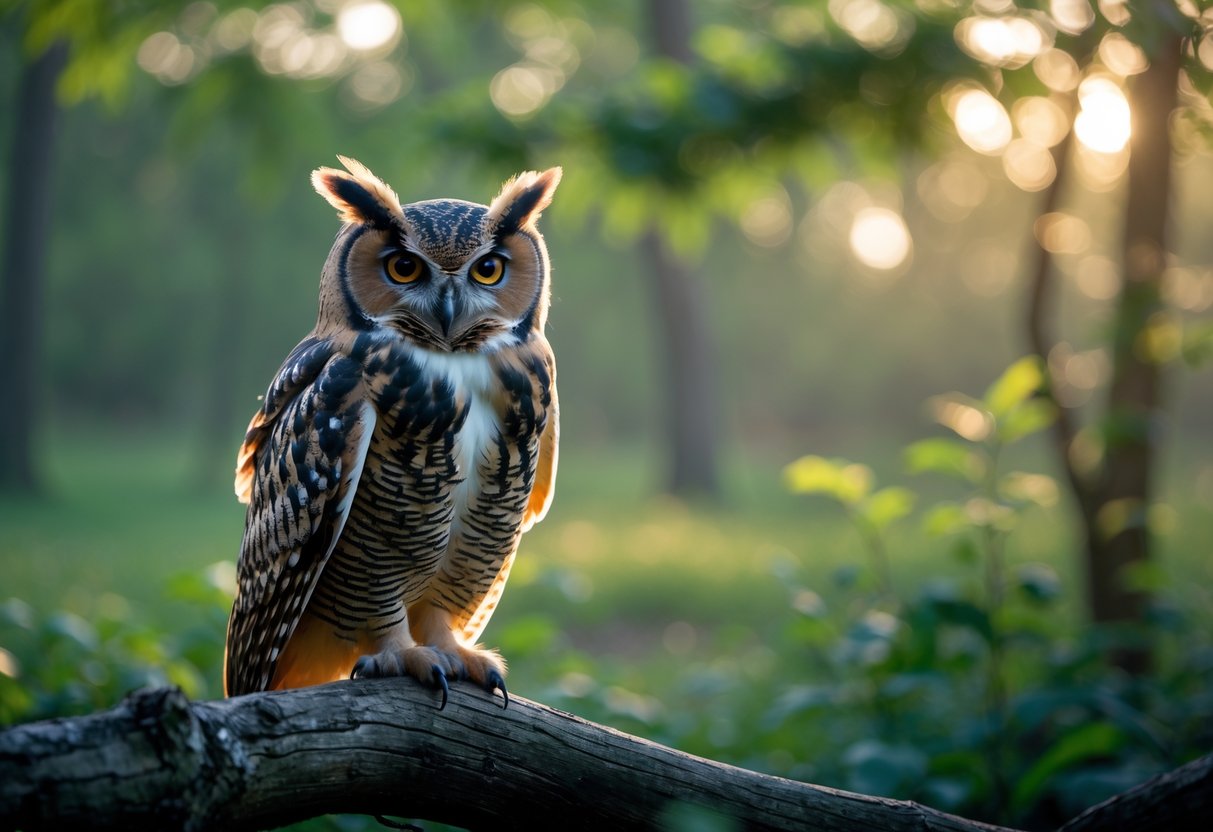
Many believe owls bring good fortune, especially if you’re looking for clarity or protection. Owls connect to intelligence and can help you notice things others might miss. That’s pretty handy when you’re making choices.
But not everyone agrees on what owls mean. Some folks think their meaning changes depending on culture or situation. Whether you see an owl as lucky or mysterious, digging into their symbolism might give you a fresh perspective on these fascinating birds.
The Symbolism and Luck of Owls

Owls mean different things in different cultures. Sometimes they stand for good luck, other times they’re warnings.
You’ll see owls linked to wisdom, mysterious powers, and old legends.
Owls in Folklore: Good Fortune or Bad Omens?
Owls have a mixed reputation in stories from all over. Some places see owls as bad omens connected to death or misfortune. In parts of Africa and China, people might hear an owl’s call and worry about trouble.
But in other cultures, owls symbolize good luck and protection. In Japan, the word for owl even means “luck without hardship.” Guatemala treats owls as signs of wealth and prosperity.
So depending on where you live, an owl could mean warning or good fortune.
Wisdom and the Wise Old Owl
You’ve probably heard the phrase “wise old owl.” In the U.S., owls usually stand for learning and intelligence. You’ll spot them in cartoons or logos, sometimes with glasses or graduation caps, as a symbol of knowledge.
People connect this idea to the owl’s sharp eyesight and silent flight. Folks think owls can see hidden truths and understand secrets. If you see an owl, maybe it’s a nudge to seek wisdom or think before you act.
Owls Across Ancient Mythology
Owls show up in old stories from all sorts of places. Ancient Greeks made the owl sacred to Athena, the goddess of wisdom. They even put owls on coins to stand for wisdom and truth.
Other myths say owls guide souls between worlds. Ancient Egyptians believed owls helped souls travel safely from life to the afterlife. Some Native American tribes saw owls as protectors or messengers from the spirit world.
Owls often stood for deep knowledge about life and death in these tales.
If you want more stories about owls in myths, you can check Owls: Are They Good or Bad Luck?.
Owls in History and Popular Culture

Owls have popped up in history and culture in all sorts of ways. People have seen them as symbols of wisdom and mystery, and sometimes as a sign of bad luck.
Different types of owls, like the little owl or barn owl, come with their own stories. You’ll find them in ancient myths, old legends, and even stories about famous people.
The Owl in Greek and Roman Traditions
Ancient Greeks linked the little owl closely to Athena, the goddess of wisdom. That made the owl a symbol of knowledge and protection.
Owls showed up on coins and artwork, which shows how much Greeks valued them. Romans picked up some of these beliefs. Julius Caesar and Augustus knew about them, but Romans also saw owls as omens.
The great horned owl sometimes stood for warnings about bad events. Still, some Romans admired owls for their sharp vision and hunting skills.
Fossils show owls have been around for millions of years. Their silent flight and mysterious nighttime habits kept people curious.
Legends and Superstitions Around Species
Different owls come with their own superstitions. The barn owl often appears in spooky tales because it hunts at night and lives in old barns. Some cultures saw it as a sign of death.
Smaller owls like the little owl were sometimes seen as lucky or wise. In Europe and North America, hearing or seeing an owl could be a warning or a blessing, depending on the local belief.
Some see owls as protectors, while others think they bring bad luck. These stories change a lot depending on the species and region.
Famous Owls: From Dijon to Modern Day
Maybe you’ve heard about the “Owl of Dijon.” It’s this little carving from the Middle Ages that somehow turned into a good luck charm for tons of visitors.
These days, owls show up everywhere in pop culture and usually mean wisdom. Take Mr. Owl from the Tootsie Pop commercials—he rocks those glasses, trying to look clever.
People love using owls in anything related to school or learning, probably because everyone thinks of them as symbols of knowledge.
Even back in Julius Caesar’s day, folks told stories about owls. Now, though, most people talk about how owls help out in nature by keeping pests in check.
Honestly, you can see owls as both fascinating pieces of history and as amazing, living creatures that actually matter in our world.


