
Owls have always fascinated people, haven’t they? But here’s something you might not know: the Bible actually considers owls unclean animals.
Why? Mainly because owls are birds of prey that eat flesh, which made them off-limits under biblical laws. This detail helps explain why owls carry certain symbolic meanings in those ancient texts.
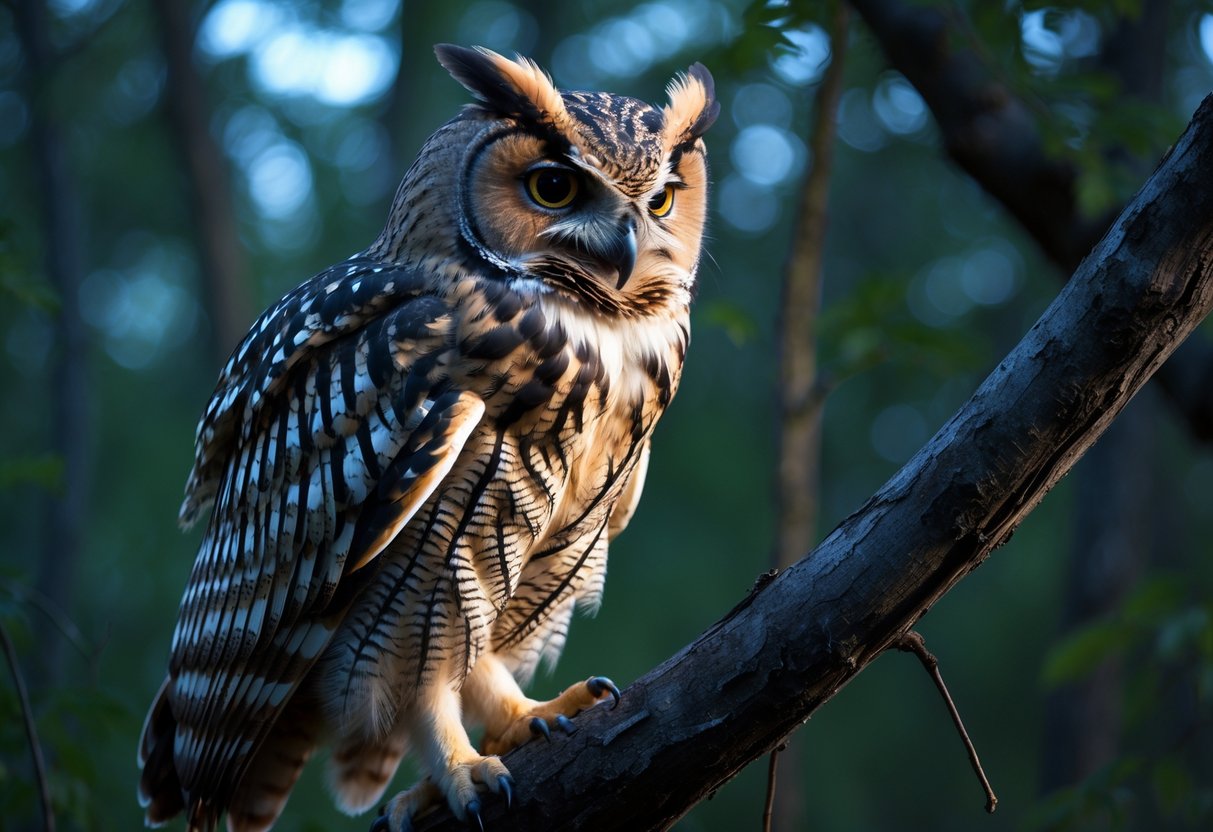
So, why did the Bible single out owls and a handful of other birds as unclean? It’s not just about what they eat.
Owls are nocturnal and often hang out in deserted or ruined places, which led people to see them as symbols of loneliness and desolation.
These ideas shaped how the Bible talks about owls.
There’s more to owls than just being labeled unclean, though. Their presence in scripture ties into judgment, abandonment, and sorrow.
This gives them a deeper meaning that goes way beyond their physical traits.
Why Are Owls Considered Unclean in the Bible?
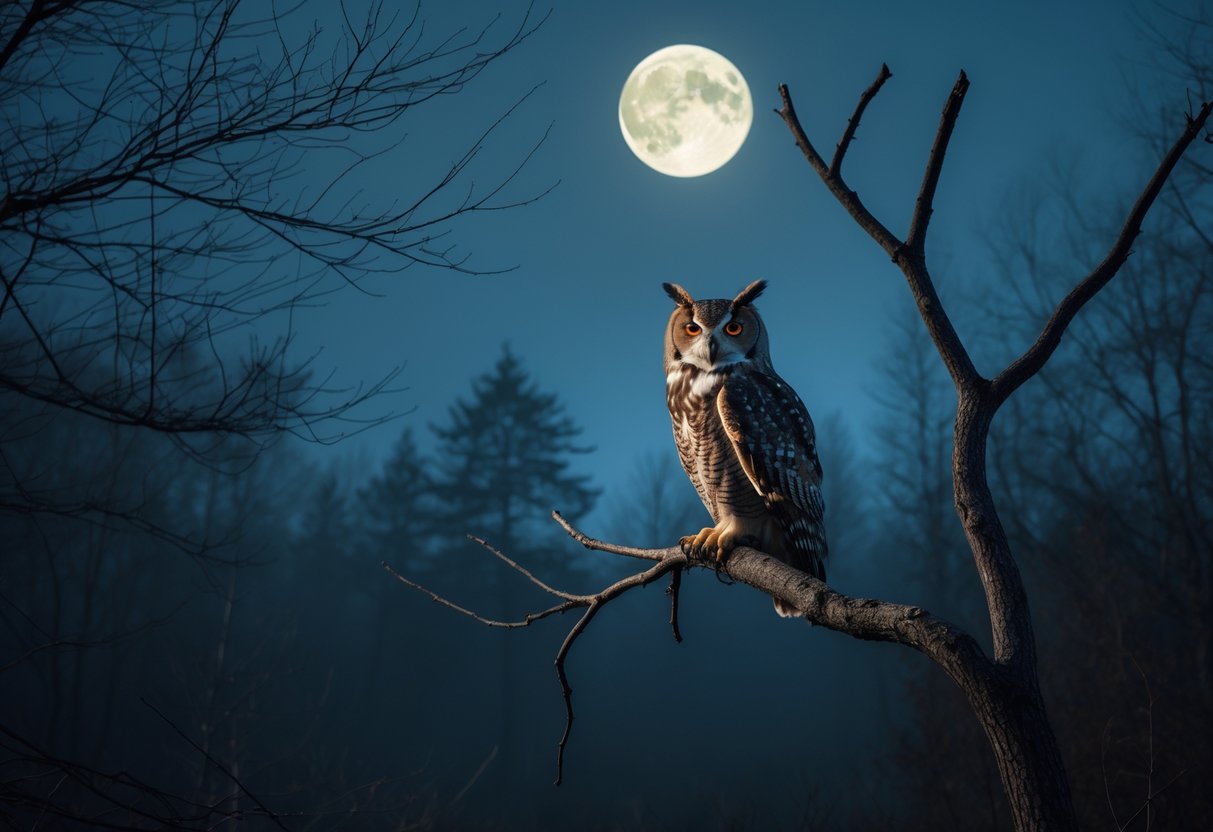
You’ll find owls among several birds the Old Testament calls unclean. Their eating habits and their role in stories about desolation and judgment play a part in this label.
When you look closer, you’ll see both practical and spiritual reasons behind these old rules.
Biblical Texts That Classify Owls as Unclean
In Leviticus 11 and Deuteronomy 14, the Bible lists owls as unclean birds that people shouldn’t eat.
They show up alongside eagles, vultures, ravens, cormorants, and screech owls.
The texts mention different types, like the horned owl, great owl, little owl, and desert owl.
These laws guided the Israelites on which animals they could eat.
By calling owls unclean, the Bible set them apart from birds like doves or quails.
This put extra focus on following God’s commands in everyday life.
Predatory Behavior and Dietary Habits
The main reason for calling owls unclean? They’re hunters.
Owls eat other animals and often consume flesh with blood still in it.
That breaks the clean animal rules, which avoided eating meat with blood.
Picture an owl swooping down on small animals in the desert or ruins.
This lifestyle made them a poor choice for food among people who followed Mosaic Law.
Their habits grouped them with other unclean hunters like eagles and vultures.
Symbolism of Desolation and Judgment in Scripture
Owls don’t just show up in lists—they’re also symbols in several Old Testament books.
In Isaiah 34 and Isaiah 13, you’ll find owls living in ruins, standing for abandoned and desolate places.
Their presence signals a land that’s empty and judged by God.
Jeremiah 50 describes owls dwelling in the destroyed city of Babylon, showing its total desolation.
The writer of Psalm 102:6 uses the image of an owl to express deep loneliness and mourning.
Micah even compares the owl’s mournful cry to a sad lament.
These images help you see how owls became linked not just to being unclean, but also to warnings of judgment and emptiness.
Owls in Ancient Cultures, Mythology, and Symbolism
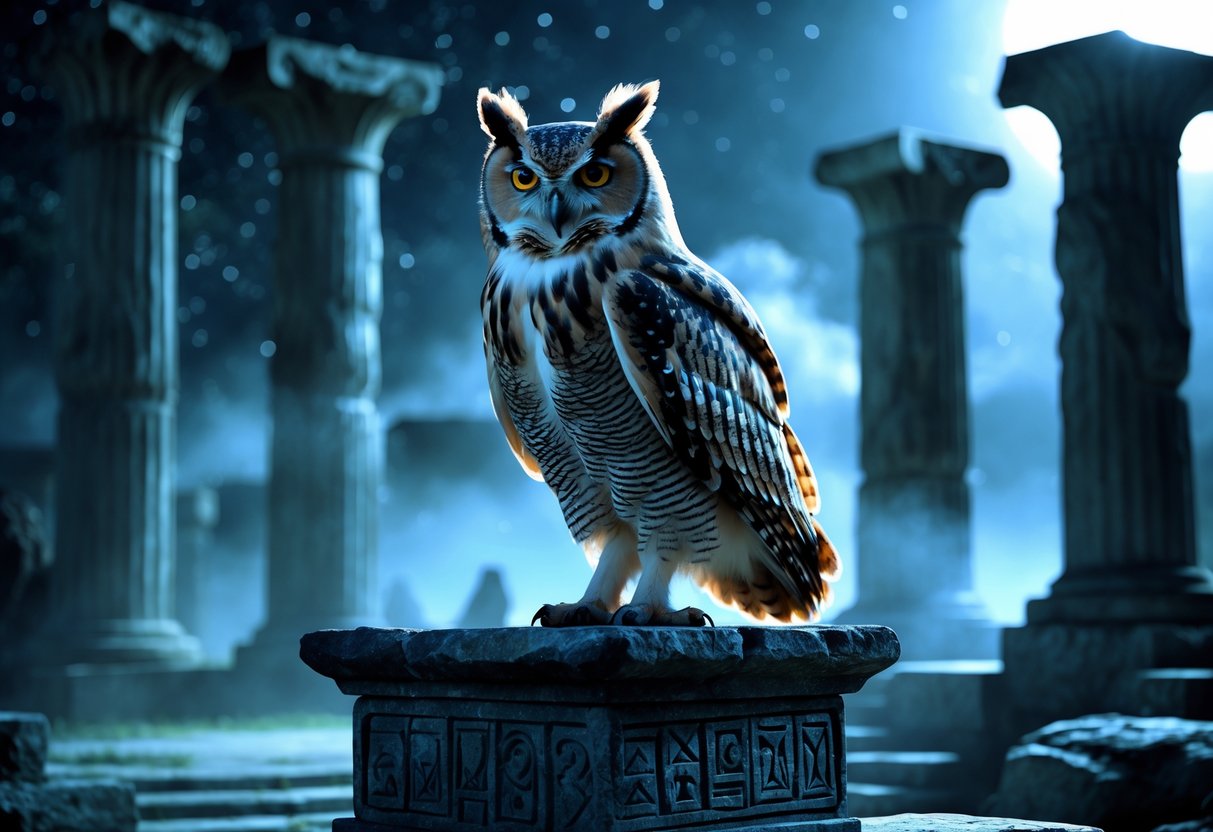
Owls have picked up a lot of different meanings across cultures.
Some stories connect them to darkness and fear, while others see them as wise protectors.
You’ll find owls linked to gods, magic, and all sorts of mysteries.
Negative Symbolism Across Cultures
Many ancient cultures saw owls as bad omens or signs of death.
In Hebrew tradition, people called owls unclean and often used them to symbolize loneliness or ruin.
Old biblical texts mention owls nesting in deserted places like ruins or wastelands.
In Japan, the word for owl, fukuro, sometimes means “no hardship,” but it can also hint at misfortune or even evil spirits.
The night calls of owls creeped people out or warned of bad luck.
Some myths, like those about Lilith in Jewish folklore, connect owls to dark female spirits, which adds to their eerie reputation.
Egyptian beliefs tied owls to death and the underworld, too.
Owls as Symbols of Wisdom and the Occult
But not every culture saw owls as scary.
In Greek mythology, people often saw owls as wise and knowledgeable.
The goddess Athena (or Minerva to the Romans) was famous for her “wise owl” symbol.
This bird stood for intelligence and sharp insight.
Owls also picked up connections to the occult and magic, probably because they’re creatures of the night.
Since they can see in the dark, people thought they could reveal secrets that others couldn’t.
That made owls popular in mystic and witchcraft stories, and honestly, who can blame them?
Famous Owl Figures and Mythological Connections
One famous example? The Owl of Athena. You might spot it on old coins or tucked away in paintings.
People saw it as a symbol of clear thought and a kind of protector in battle. In other places—like Australian Aboriginal stories—owls show up as spirits watching over the land or marking places that feel sacred.
Owls tend to nest out of sight, which just adds to their mysterious vibe. This whole “owl’s nest” thing really fuels those old myths about owls guarding ancient wisdom or secret knowledge.
They usually stay quiet during the day. But when night falls and you hear their calls, you can’t help but wonder if something’s always watching from the dark.


