
Owls in the UK? Well, it’s a mixed bag. Some, like the Tawny and Barn Owl, turn out to be surprisingly common despite their mysterious vibe.
But others—think Long-eared or Short-eared Owls—are a lot more elusive. You’d have to get lucky to spot one in the wild.
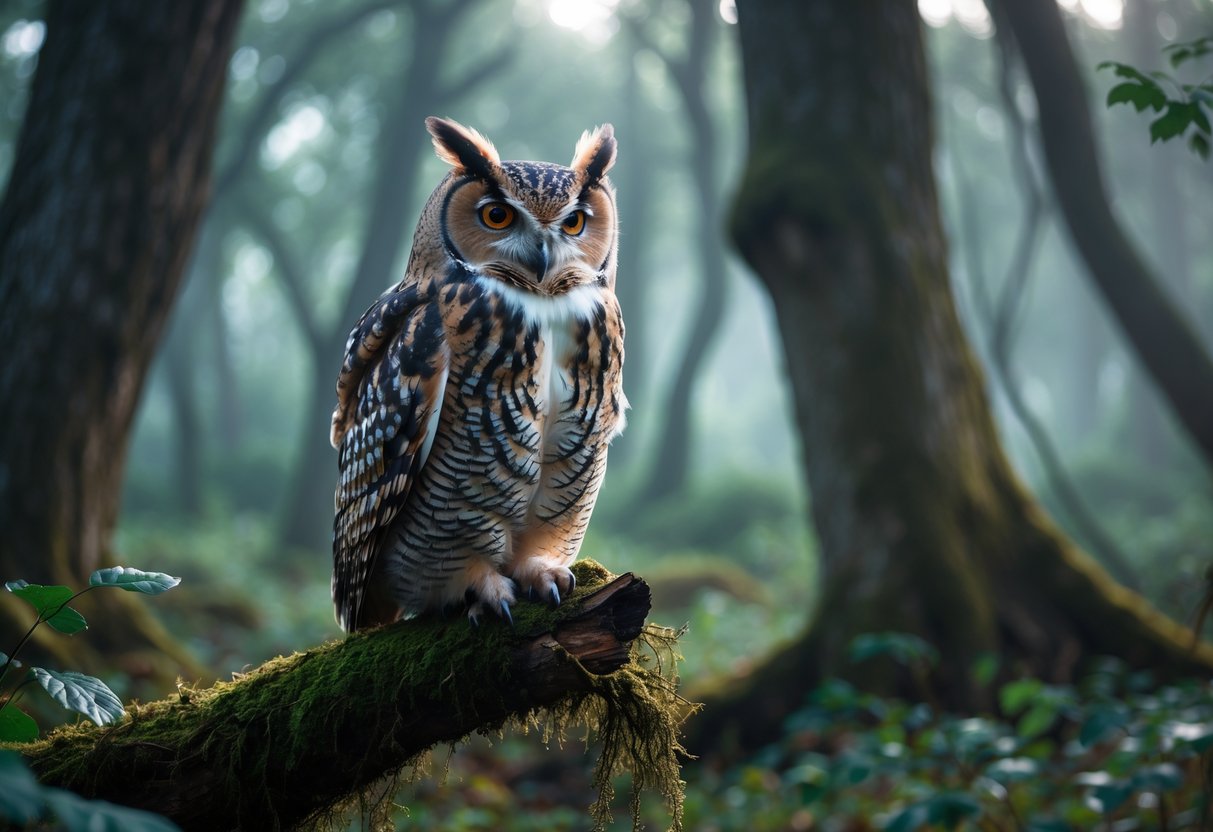
If you’ve ever heard an owl’s call echoing through the night, you’ve brushed up against a secret world. Most owls avoid people and prefer to stay hidden, which makes them seem rarer than they really are.
But honestly, if you know where and when to look, you’ll have a better shot at seeing these amazing birds.
A few species, like the Eurasian Eagle-Owl or Snowy Owl, barely show up in the UK at all. They mostly visit certain regions or appear when the weather’s odd.
Learning more about these birds really makes you appreciate how special and tricky to find owls can be here. If you want details about types and numbers, you can check this guide to owls in the UK.
Rarity and Populations of Owls in the UK
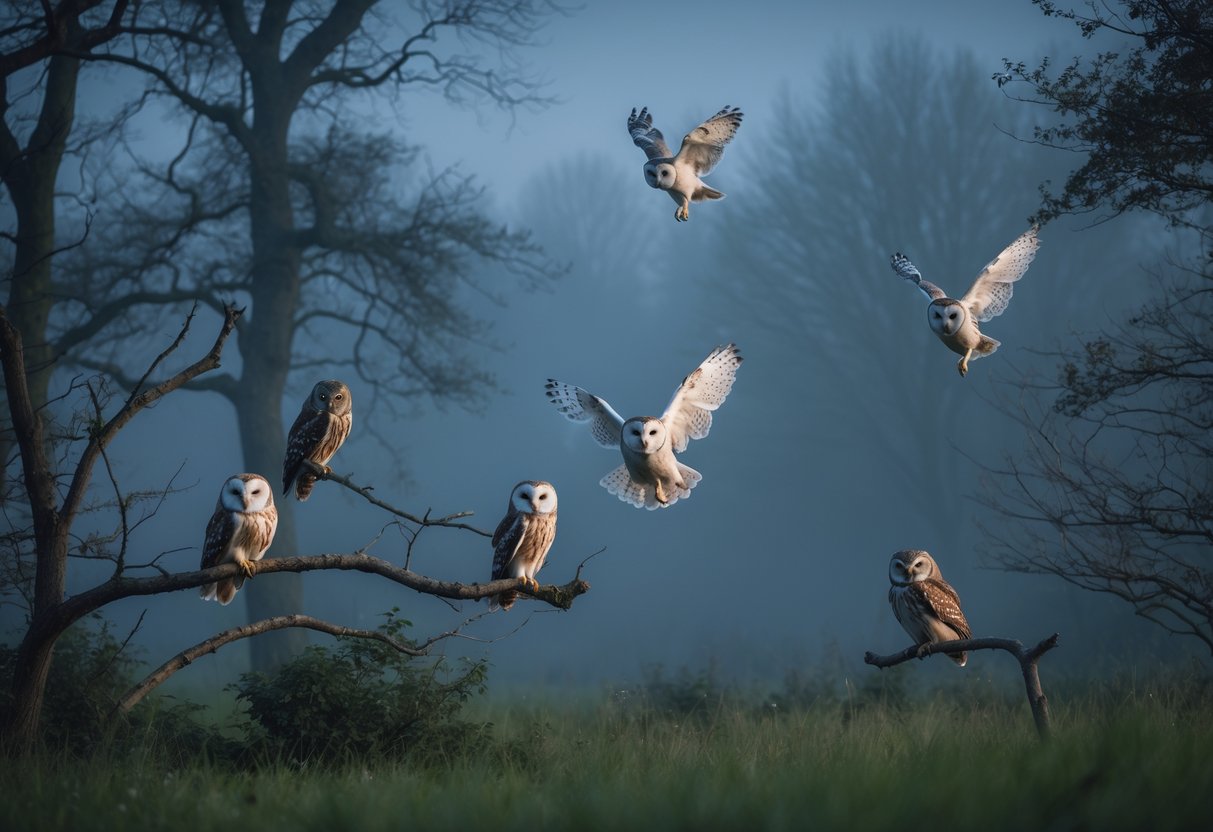
Ever wondered how likely you are to spot an owl in the UK? Some are everywhere, others… not so much.
Their numbers shift around depending on weather, habitat, and what people are up to nearby.
Overall Owl Population Trends
Most UK owl species keep their numbers pretty steady, though there are ups and downs.
Tawny Owls are still the most common, with something like 50,000 pairs, though their numbers have dipped enough to get them amber-listed.
Some owls, like the Little Owl, have lost ground over the years—mostly because of habitat loss and changing farming. Barn Owls have had their own ups and downs too.
Things like weather, food, and human activity all play a part in how many owls you’ll see in any given year.
Barn Owl Numbers and Distribution
Barn Owl numbers have shifted a lot. Back in the 1990s, there were about 4,000 pairs in the UK, but that changes from year to year.
In 2024, folks monitored nearly 1,800 active Barn Owl nests. Mild winters and early springs usually help Barn Owls breed better.
Barn Owls really like open countryside, farmlands, and big grassy areas. They need barns or nest boxes because natural sites are pretty rare nowadays.
Brood sizes stay about the same each year, so even if there are more nests, the total owl population doesn’t always jump much.
Uncommon Owl Sightings in Urban Areas
You won’t see many owl species in cities. Sometimes, though, you might spot one in a big park, old garden, or abandoned building.
Barn Owls almost always stick to rural spots, so finding one in town is a bit of a surprise.
Tawny Owls are a little more likely to show up in the suburbs, but it’s still rare to see them right in the city centre.
If you’re lucky, an urban green space with plenty of trees and small mammals could attract an owl or two.
Habitats, Conservation, and Living Alongside Owls

Owls in the UK pick all sorts of places to live, from deep countryside to the edge of town. Their homes depend on where they can find food and shelter.
The way people use land really changes where owls can settle and how well they do. If you get what they need, you can help them out and support conservation.
Typical Owl Habitats in the UK
Owls go for open countryside, woodlands, farmland, and parkland. Barn Owls love farmland with grassland for hunting small mammals.
Tawny Owls prefer thick woods and need trees for nesting.
A lot of owls also use man-made spots. They’ll nest in old buildings, barns, or special nest boxes.
If your area has enough food and quiet corners, you might spot them close to home. Urban owls are rare but can adapt to parks and gardens if there’s enough cover.
Conservation Efforts and Legal Protections
UK law protects Barn Owls and other native owls. It’s illegal to harm them or mess with their nests.
Conservation groups spend a lot of time tracking owl numbers and keeping an eye on populations.
They focus on giving owls better places to live—like putting up nest boxes and protecting hunting grounds from pesticides.
Groups also team up with farmers and landowners to keep farmland friendly for owls.
All these efforts help keep owl numbers steady and stop them from slipping further.
Impact of Home Environments and Human Influence
Your home and local area really shape the lives of owls. Birds notice even small changes in light, noise, or land use.
New buildings can wipe out hunting grounds or nesting spots for them. It’s honestly a bit sad how quickly their spaces disappear.
You can actually help owls by keeping your garden more wildlife-friendly. Try leaving some long grass, plant a few native species, and skip the heavy pesticides.
When you do that, you give them food and shelter. Some folks even put up nest boxes near their homes, hoping owls will move in.
People’s choices—like driving habits or how we handle waste—definitely affect owls, too. If you’re aware of that, you’re already making it easier for owls to live safely near people, whether you’re out in the country or in town.
For more on owl habitats and conservation, check out The Barn Owl Trust.


