
So, will owls actually use an owl box? Yeah, they often do—especially smaller and medium-sized owls like Western Screech Owls and Barn Owls. They seem to like nest boxes quite a bit.
But here’s the thing: not every owl is on board. Bigger owl species usually pick open nests or natural tree cavities instead of boxes.
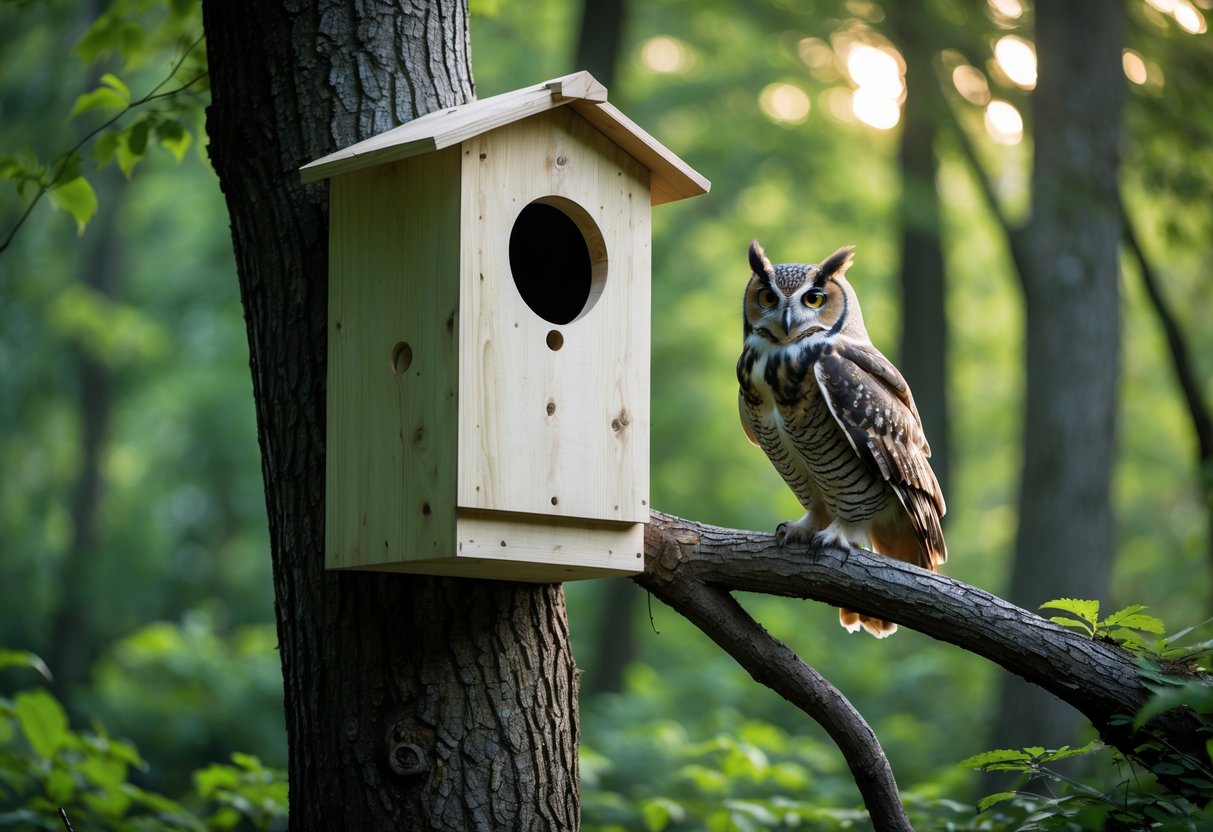
Owls might visit your box depending on stuff like where you put it, how safe the area feels, and which owls live nearby. If you want them to show up, you’ll need the right size box in the right spot.
Figuring out what owls live in your area and what they like can really boost your odds. Plus, it makes owl-watching a lot more fun.
Will Owls Use an Owl Box?

Owls don’t always pick nest boxes, but some species definitely do. Your chances go up if you match the box to the owl’s needs and put it in a good spot.
Try to match the box size and location to the owl you want to see. That’s honestly the best bet.
Types of Owls That Use Owl Boxes
Not every owl will move into a box. But small and medium ones like Eastern screech owls and barn owls? They’re your best shot.
These owls fit nicely inside most nest boxes, so they find it easy to roost and raise chicks.
Big owls like the great horned owl usually skip boxes. They pick open nests or huge tree holes that boxes just can’t match.
Barred owls sometimes try boxes, but only if the design and placement work for them.
If you want screech or barn owls around, build a box with the right size for them. It really helps.
Key Factors Influencing Owl Box Adoption
A few details can make or break your owl box plans. First, box size matters a lot. A screech owl likes a snug box, while a barn owl needs more space.
If the box is too big or too tiny, owls won’t feel safe.
Placement height is next. Screech owls use boxes 10 to 30 feet up, usually on live trees near woodland edges.
Barn owls want open fields, with boxes 10 to 25 feet high—sometimes on barns or poles.
Look at the habitat around your box. Owls eat rodents, so brush piles or wild cover nearby can help.
If you keep the area dark at night, that’s even better. Owls avoid bright lights.
Common Signs an Owl Is Using a Box
You can spot owl activity by watching for a few signs. Look for white droppings, or whitewash, near the entrance or below the box.
Sometimes you’ll see feathers or bits of fur from their prey close by.
You might hear hoots or calls at night near the box.
If they lay eggs, you could catch sight of the young ones peeking out or notice more action around the box during nesting time.
Keep an eye out for these clues. If you want more details on attracting certain owls, check out guides for screech owl and barn owl nest boxes.
Best Practices for Attracting Owls to an Owl Box

If you want owls to move in, focus on where you put the box, how you build it, and when you take care of it. All of these things play a role in whether owls give your box a shot.
Placement and Habitat Considerations
Hang your owl box 10 to 30 feet up. Owls seem to prefer boxes near trees, but not deep inside thick woods.
Trees give them easy perches and hunting spots.
Face the box entrance south or east. That gives the owls some morning sun and keeps them safer.
Don’t put the box near busy roads or places with lots of pesticides. Owls care a lot about safety.
Try to keep the box away from squirrels or other critters that might take over. If there are plenty of rodents nearby, that’s good news—owls love a steady food supply.
Design and Construction Tips for Owl Nest Boxes
Use untreated wood, like pine, to build your box. It’s safer and lasts longer.
Fasten everything with galvanized screws for strength.
Cut the entrance hole in an oval—about 3 inches wide and 4 inches tall. That size fits screech owls and other small cavity-nesters.
Make the box deep enough so owls can hide from the weather and nest comfortably.
Skip bright colors or shiny stuff. Keep it plain and natural.
You can find free building plans online, like the ones from Cornell Lab of Ornithology, if you want step-by-step help.
Seasonal Timing and Maintenance
Go ahead and set up your owl box before nesting season kicks in—usually, that’s early spring. Owls need a little time to spot it and check things out.
Once nesting wraps up, grab a broom and clean out the box in late fall or winter. Tossing out old nesting material keeps things healthy and helps attract new owls.
Try not to go near the box while owls are nesting. They’ll feel safer and are more likely to come back next year.
If you can, turn off outdoor lights nearby at night. That little step makes the area more inviting for owls to hunt and nest.


