
Ever wondered what owl waste is called? You’re definitely not alone. Unlike most birds, owls don’t just leave behind typical droppings.
Most of what we call “owl waste” is actually owl pellets. These are the undigested parts of their food that owls cough up. Inside, you’ll find things like bones, fur, and feathers—stuff the owl just can’t break down.
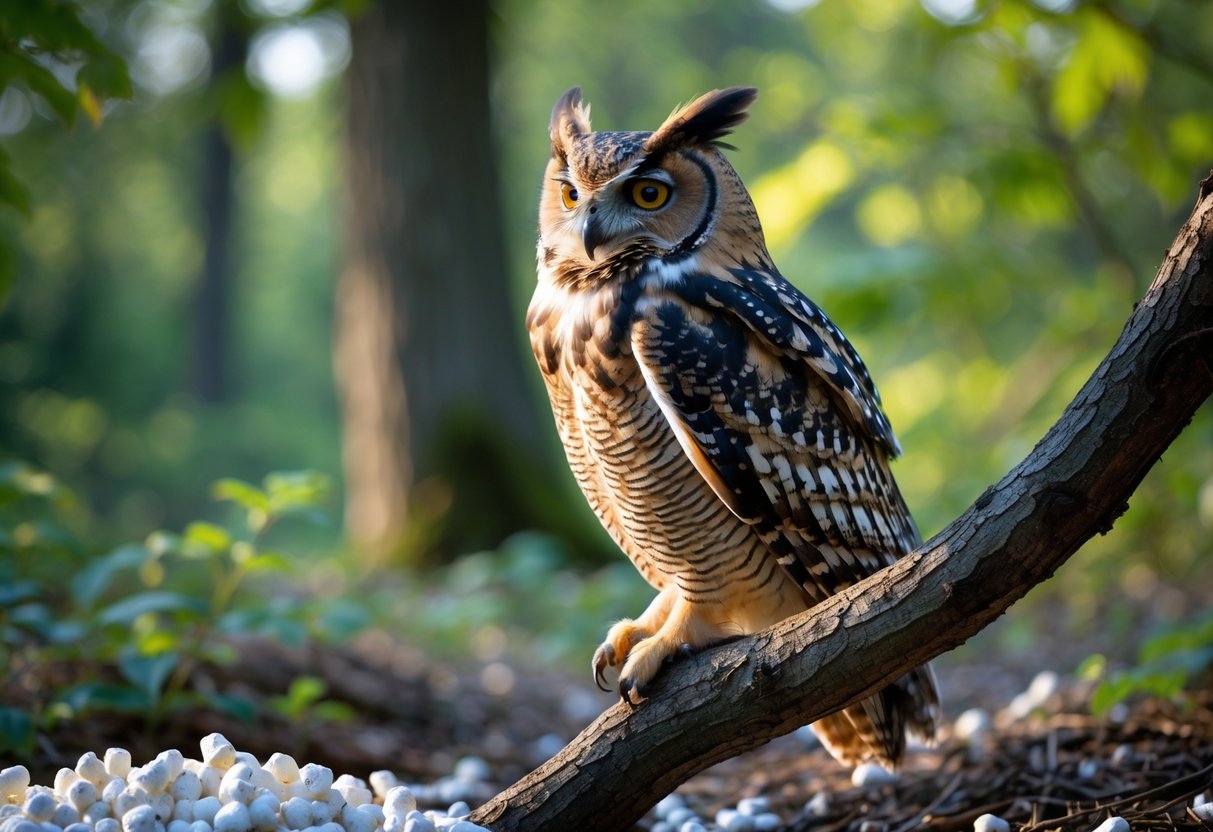
You might spot owl pellets on the ground under nests or roosting spots. They offer a neat peek into what owls eat, since pellets hold the leftovers from their meals instead of regular waste.
Understanding how owl pellets differ from droppings lets you appreciate how owls digest their food.
What Is Owl Waste Called?
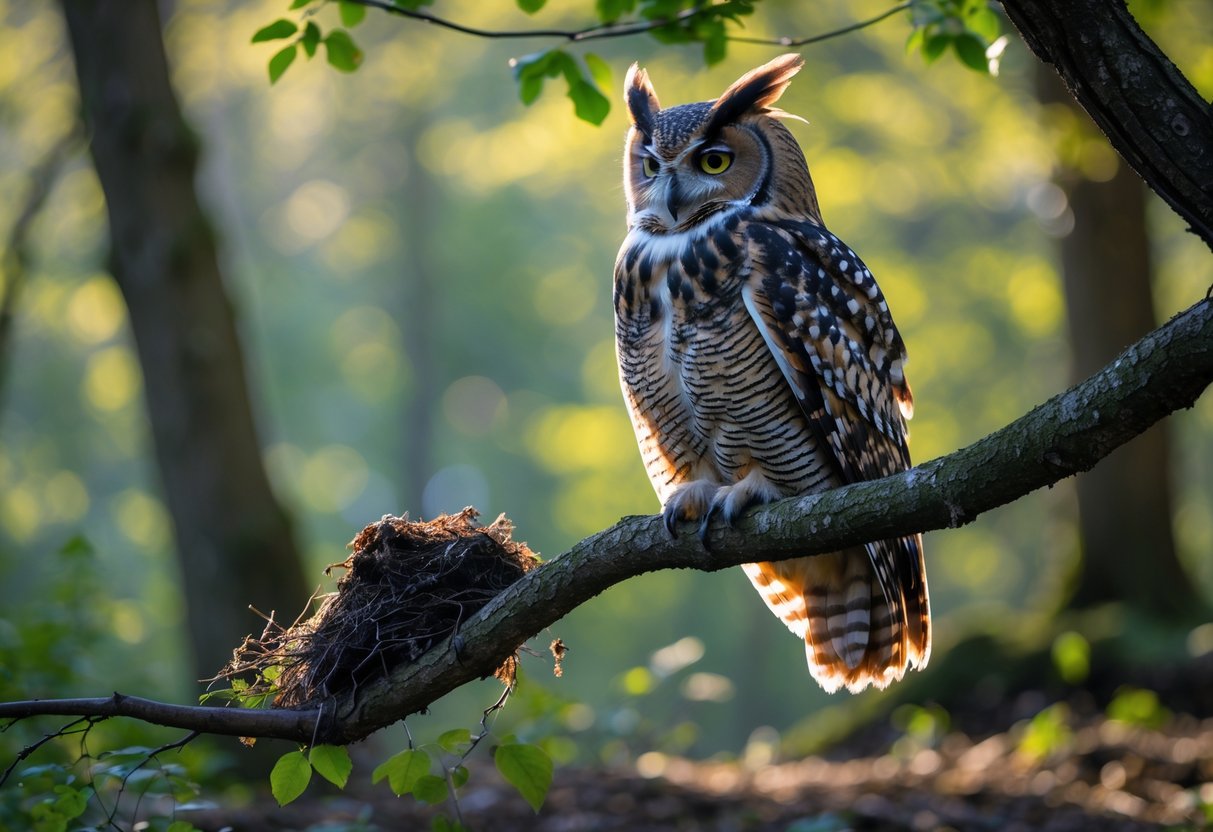
Owl waste isn’t like regular bird poop. It includes parts of their food that they can’t digest.
You can actually learn a lot about what owls eat just by checking out what they cough up.
Definition of Owl Pellets
Owls push up clumps of undigested food through their beaks, and that’s what we call owl pellets. These lumps usually have bones, fur, and feathers from whatever the owl just ate.
Owls swallow their prey whole, but their stomachs don’t digest everything.
Pellets look like compact, oval-shaped balls, usually about 1.5 to 3 inches long. They don’t have the bad smell you’d expect from poop.
Pellets actually help protect the owl by getting rid of sharp bones and fur that could hurt them if they stayed inside.
You’ll often find owl pellets on the ground under trees or near nests.
How Owl Pellets Are Formed
When an owl eats, its stomach digests the soft parts, like meat. The hard bits—bones and fur—stay undigested.
After about six hours, the owl’s body packs these leftovers into a tight pellet.
The pellet moves up to the owl’s throat. Then the owl pushes it out through its beak.
This usually happens once or twice a day.
These pellets show you what the owl has eaten recently. For example, a barn owl’s pellet often holds bones and fur from small mammals like mice or voles.
Sometimes you’ll spot remains of frogs or birds too.
The Difference Between Owl Pellets and Droppings
Owl pellets aren’t the same as owl droppings. Droppings are the liquid waste that owls excrete through the cloaca, just like other birds do.
These droppings usually look white and, honestly, they smell pretty bad.
Pellets, though, only have the solid remains the owl can’t digest. They’re dry and don’t stink.
Knowing this difference helps you get a better handle on owl biology. It also makes exploring pellets a lot more fun and way less gross.
You can dissect pellets safely and discover all kinds of animal bones—no need to worry about nasty smells or germs.
Want to dive deeper into the world of owl pellets? Check out the Barn Owl Trust.
Owl Digestive System and Pellet Formation

Owls eat their prey whole or in big chunks. Their stomach sorts out the soft, digestible stuff like meat and fluids.
The hard parts—bones, fur, and teeth—get left behind. These bits become a compact pellet that the owl spits out later.
Anatomy of the Owl Digestive Tract
An owl’s digestive tract has two main parts: the glandular stomach (the proventriculus) and the muscular stomach (the gizzard).
In the first chamber, digestive juices break down soft tissues like muscles and organs.
The gizzard grinds up the hard, indigestible stuff—bones and fur. This step matters because the owl can’t digest those parts.
After grinding, the digestible food moves to the intestines, where the owl absorbs nutrients.
The leftovers get packed into a tight ball, which becomes the owl pellet. That pellet holds fur, bones, and teeth the owl just can’t use.
Process of Regurgitating Owl Pellets
After your owl’s gizzard compacts the indigestible bits, the pellet starts moving back up the esophagus. This usually happens around 6 to 12 hours after the owl eats.
The owl spits out the pellet through its beak. You’ll probably spot a few pellets near where the owl likes to rest.
Most owls cough up one pellet each day. If you take a closer look at these pellets, you can actually figure out a lot about what the owl’s been eating, since the remains of their prey get stuck inside.
Curious about the details? All About Birds has more info on how owls make these pellets.


