
When you hear an owl scream at night, the bird’s usually trying to get a message across. Owls scream to warn others, claim territory, or signal danger nearby.
That sharp, eerie sound can feel spooky, but it’s just the owl’s way of talking to others in the dark.

Different owls have their own calls, but if you hear a scream, it’s probably a Barn Owl. Their shriek is loud and honestly, a bit scary. They use it to warn off threats and chat with other owls.
So, next time you hear that scream, just remember—it’s how owls stay safe and keep in touch with their own kind.
If you start to figure out why owls scream, those nighttime sounds might feel less mysterious and more interesting. You’ll probably notice the unique ways these birds communicate and wonder what their calls really mean.
For more on what those owl calls mean, check out this explanation of barn owl sounds and what every call means.
Understanding Why Owls Scream at Night
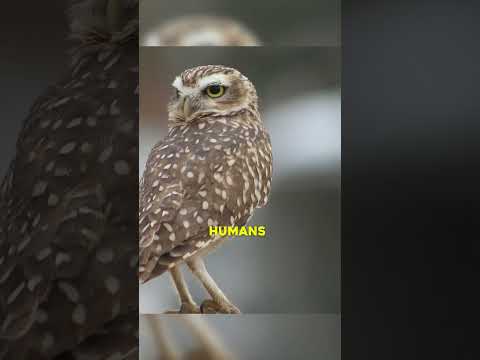
Owls scream at night for a few reasons. Their calls can mean they’re fighting over territory, acting aggressive, looking for a mate, or feeling threatened.
If you listen closely, you might get a glimpse into their world.
Territorial Disputes Between Owls
Owls scream to claim and defend their turf. Barred owls do this a lot.
Their loud calls tell other owls to back off.
Most of these disputes happen at night, since that’s when owls are out and about. Screaming helps them avoid actual fights by making it clear where the boundaries are.
Each owl’s call basically says, “This spot’s taken.”
Hear a bunch of harsh screams back and forth? That’s probably two owls arguing over territory.
Things can get pretty loud as each one tries to outdo the other.
Aggressive Interactions in Owl Behavior
Owls also scream when they get aggressive. If an owl feels threatened by a predator or another owl, it’ll let out a chilling scream.
Barn owls, for example, use these screams to scare off enemies.
These calls are sharp and intense, sometimes sounding like shrieks or screeches. They serve as a warning and make attackers think twice.
If you suddenly hear a scream near where an owl sits, it might be defending itself or its nest. That’s just how it keeps itself and its family safe.
Breeding Season Vocalizations: Duets and Bonding
During breeding season, owls rely on their calls to attract mates and talk to their partners. Barred owls, for instance, are famous for the “who cooks for you” call that can sound like a duet.
These calls help pairs bond and let others know they’re around.
Mates answer each other with trills, hoots, or sometimes soft screeches. This back-and-forth keeps them connected and helps them hold onto their territory.
You’ll probably hear more of these screams and hoots from late winter into early spring. That’s when owls focus most on finding and keeping a mate.
Injured or Threatened Owl Calls
Sometimes, an owl’s scream means it’s in trouble. Injured or scared owls let out loud, harsh screams to show distress.
These calls can warn off predators or alert other owls nearby. A barn owl’s scream, for example, sounds almost like it came from a horror movie—sharp and unsettling.
If you hear this kind of scream over and over, the owl might need help or is trying to scare something away. It’s a good idea to give the area space so you don’t add to the owl’s stress.
Want to hear more barn owl calls? There’s a collection of barn owl sounds and meanings you can check out.
Identifying Common Nocturnal Owl Sounds

At night, owls use a bunch of different sounds to talk. These calls help them mark territory, find mates, or warn of danger.
If you know the differences between these calls, you’ll have a better idea what the owl’s saying. You might even start to pick out which calls come from young owls and which come from adults.
Differences Between Screams, Hoots, and Cackles
Owls have a few main vocal styles. Screams are loud, high-pitched, and sharp. They’re often used to show distress or announce presence.
Screams can sound pretty alarming since they cut right through the quiet night.
Hoots are deeper and more rhythmic. They usually mean the owl’s claiming territory or looking for a mate.
A steady hooting pattern often says, “This is my space.”
Cackles and other quick noises—like whistles or barks—are used as warnings or to chat with nearby owls. They’re less common but still play a role in owl conversations.
Barred Owl Vocalizations and Meanings
If you hear an owl calling “Who cooks for you? Who cooks for you?” you’re almost definitely listening to a Barred Owl.
That phrase is their signature hoot and helps them defend territory or stay in touch with mates.
Barred Owls also make yelps, whistles, and sharp beak snaps. These sounds are more about daily communication between owls.
Barred Owls mostly live in eastern North America. So, if you hear these calls where you are, there’s a good chance it’s one of them.
Juvenile Screams Versus Adult Calls
Young owls—Barred Owls especially—scream to get attention. Their screams sound frantic and honestly, a bit wild compared to the calls adults make.
You might mistake these sounds for another species. Juvenile calls just don’t have that control or depth.
Adult owls, on the other hand, give off deeper, steadier calls. You’ll hear those iconic hoots echoing through the woods.
They use these hoots to warn off rivals or call out to potential mates. The difference in sound is pretty striking.
If you catch a high-pitched, erratic scream, you’re probably listening to a young owl. But if it’s a strong, rhythmic hoot, that’s an adult staking its claim or chatting with a partner.


