
Ever wondered if owls actually like the night? The answer’s a bit more interesting than you might expect.
Most owls get busy after dark. Their eyes handle low light really well, so hunting at night just comes naturally. Night gives them a perfect window to find food and dodge predators.
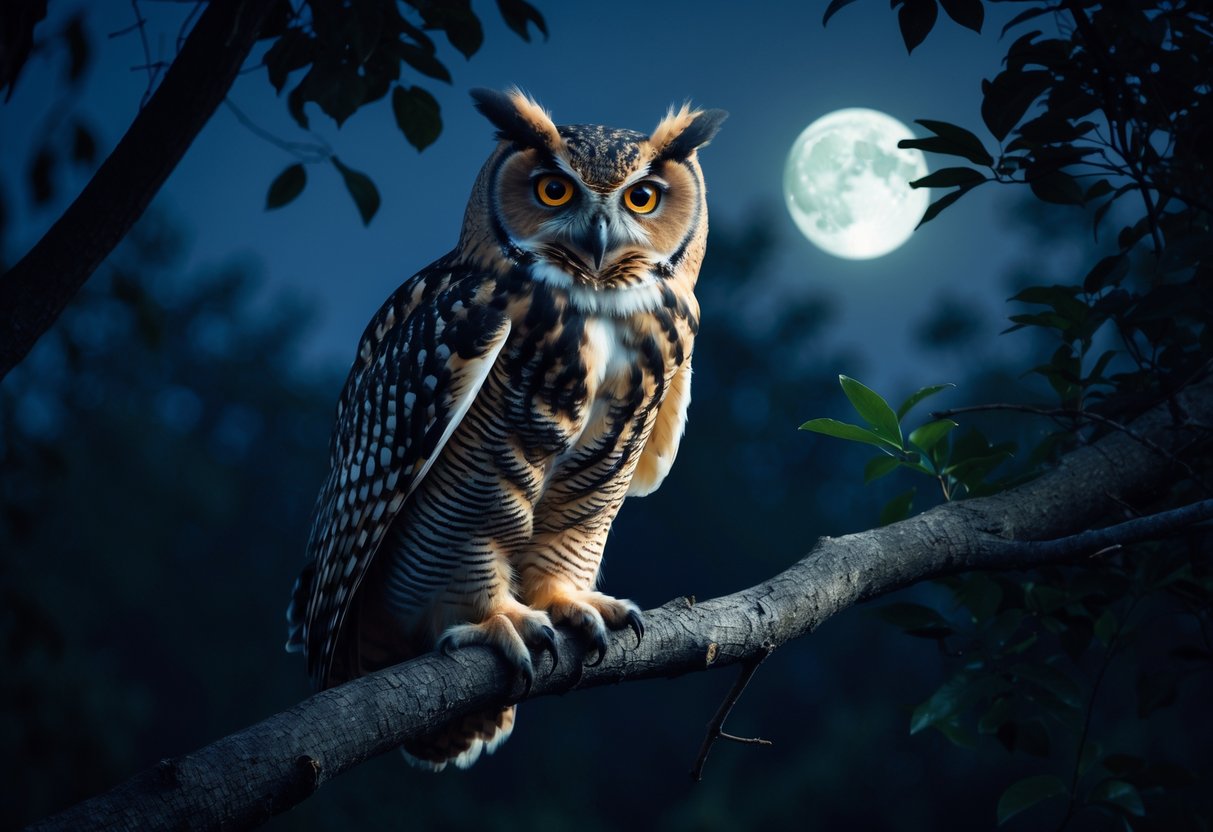
But here’s the thing—not every owl sticks to nighttime hours. Some go out at dawn or dusk, and a few even hunt under the sun.
Different species, different habits. Where they live shapes what they do.
Once you know this, you’ll probably think of them a little differently the next time you hear one hooting in the dark.
There’s a whole range of reasons behind these patterns, especially their wild eyesight. It’s honestly a simple question that leads to a bunch of surprising answers.
Why Do Owls Prefer the Night?

Owls do most of their hunting when it’s dark out. Their bodies and senses help them track down prey and stay out of danger when the light’s low.
They’ve picked up some cool adaptations that work best after sunset.
Nocturnal Adaptations of Owls
Barn owls and great horned owls, for example, have thick, soft feathers. These feathers let them fly silently, sneaking up on prey without a sound.
Their big, forward-facing eyes give them sharp depth perception. They gather a ton of light, so seeing in the dark isn’t much of a problem for them.
Their eyes don’t really move, but their necks? They twist up to 270 degrees. This lets them spot prey almost anywhere without shifting their whole body.
Strong, curved talons and a sharp bill do the dirty work. They grab and hold onto small animals—mice, rabbits, you name it.
The Role of Sensory Abilities in Night Hunting
Owls have some of the best hearing among birds. Facial discs, like the ones barn owls have, funnel even the tiniest sounds straight to their ears.
They can pick out exactly where a sound comes from, even if it’s under leaves or snow. Hunting in complete darkness? Not really a problem when you can hear that well.
Their vision and hearing team up, turning them into top-notch night hunters. Great horned owls rely more on their eyesight, while barn owls lean on their incredible hearing.
Night works in their favor—it’s quieter, and lots of prey are out and about. That gives them a real leg up over daytime hunters.
If you want to dig deeper into how owls use their senses in the dark, check out Why do owls prefer the night?
Exceptions and Variations Among Owl Species
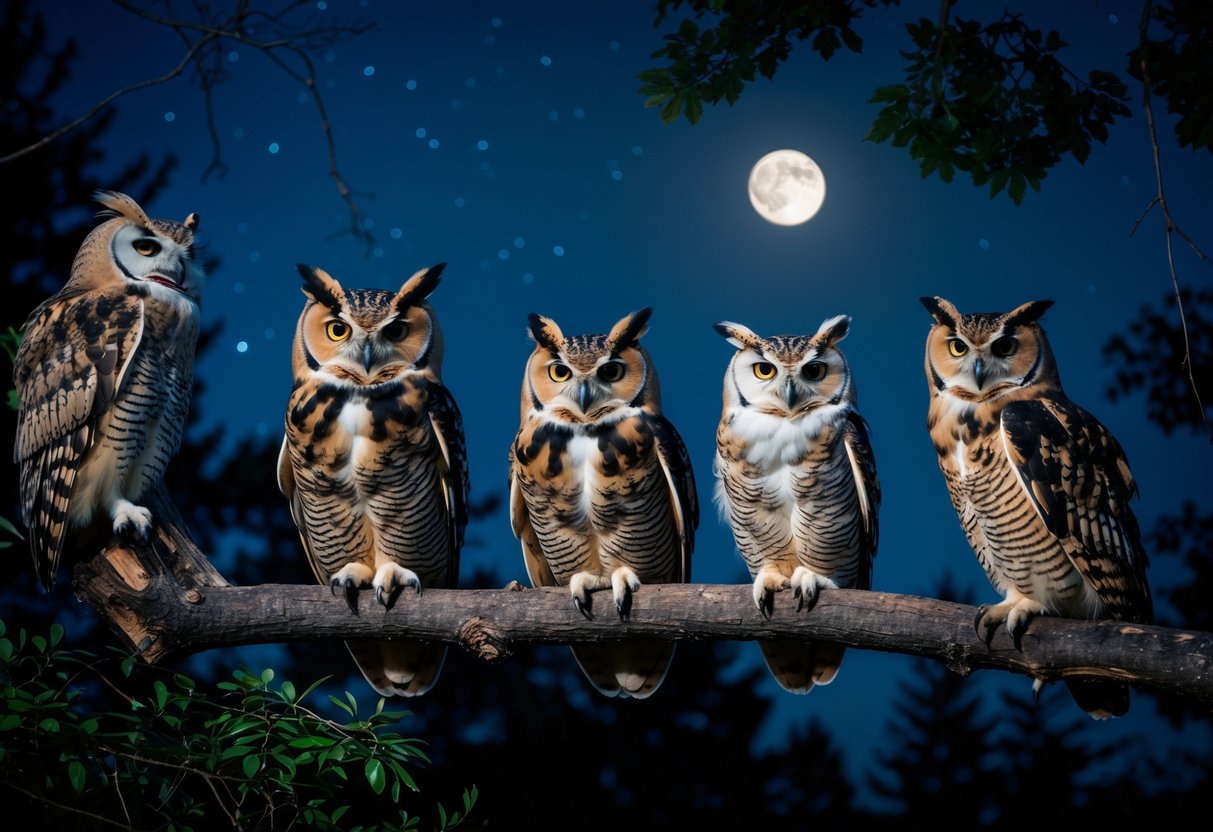
Not every owl sticks to the night shift. Some hunt during the day, while others go out at dawn or dusk.
These habits shift depending on what kind of food’s around and what they like to eat.
Daytime Activity in Owls
A few owls break the mold and hunt when the sun’s up. Northern hawk owls and northern pygmy owls, for instance, stay active during daylight.
They go after small birds and critters that are up and about when it’s bright.
Snowy owls and burrowing owls sometimes hunt in the daytime too, depending on the season. If food gets scarce or the weather changes, they’ll switch things up.
That kind of flexibility keeps them going when night hunting just isn’t cutting it.
Barred Owl Behavior
Barred owls don’t just stick to the night. They’ll hunt at dawn, dusk, and sometimes even in broad daylight.
In dense forests, they can spot prey more easily when the light’s low. That’s probably why you’ll see them out and about when you least expect it.
Great horned owls, on the other hand, really prefer the night. Barred owls just seem more flexible about when they look for food.
If you’re out during the day, you might catch a barred owl sitting quietly, listening for small mammals or birds rustling nearby.
Curious about how other owls break the “nocturnal only” rule? You can check out more details on owl behaviors here.


