
Ever sat outside at night and heard those bizarre owl noises? It’s hard not to wonder what’s going on up in the trees. Owls definitely don’t just hoot for fun—they’re actually talking to each other. They use these odd sounds to claim their turf, attract a mate, and keep intruders away from their nests.

Each owl noise carries a different meaning. Some hoot, some screech, others hiss or even bark. These sounds help them survive and stay in touch with other owls when it’s dark out.
If you catch those spooky calls, you’re basically eavesdropping on their secret nighttime chats.
Curious about what those different owl sounds mean? And why do they save their weirdest calls for the night? Let’s dig into what makes these birds and their voices so fascinating.
Reasons Owls Make Strange Noises at Night
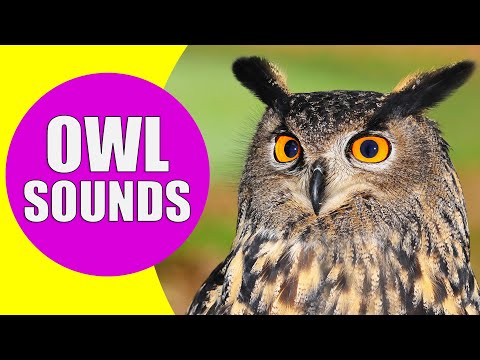
Owls use all sorts of sounds to send messages to each other. They might be marking their space, looking for love, or warning others about danger.
Where an owl lives can even change the way it calls.
Communication Among Owls
When you hear strange owl noises, they’re usually just having a conversation. Maybe it’s a string of hoots, an odd whistle, or a sudden screech.
Since the dark makes it tough to see, these calls are how owls keep in touch.
Young owlets start calling out when they’re ready to leave the nest. Adult owls use family calls too, making sure everyone sticks together.
This helps them find each other and keep tabs on their young or their mate.
Territorial Behavior and Warnings
A lot of owl calls are basically warnings. If you hear a loud hoot, it’s probably an owl telling others to back off.
That’s how they guard their hunting grounds or nests.
Owls in places like Wisconsin or Maine get pretty vocal when they want to keep their territory, especially during breeding season.
If an owl feels threatened, it gets even louder and more aggressive to scare off any would-be intruders.
Mating Calls and Attraction
Owls also call out when they’re looking for a mate. These sounds don’t usually sound like territorial warnings—they tend to be softer or have a nice rhythm.
In California or Florida, for example, male owls use special hoots to show they’re healthy and ready to pair up.
These calls help females pick out a good match. If you listen closely, you might notice the difference between male and female calls.
Differences in Sounds by State and Region
Owl calls change depending on where you are. Barred owls in the Pacific Northwest have a deeper hoot than those in New York.
These little differences help owls figure out who’s a neighbor and who’s a stranger.
Weather and the local environment also play a role in how far the calls travel. In dry states like Arizona, owl calls sound clearer at night than they do in humid places like Louisiana.
Learning these differences can help you figure out which owl you’re hearing on your evening walks.
For more details on owl communication and why their calls change, check out why owls hoot at night.
Types of Noises Owls Make After Dark

Owls don’t just hoot—they make all kinds of sounds at night to talk, warn, or attract a mate. You might hear hoots, screams, or even odd trills.
Some sounds are common across a bunch of owl species, while others are unique to just one. Sometimes, folks even mistake other night birds for owls.
Hoots, Screeches, and Other Common Calls
Most people have heard an owl hoot at some point. Hoots usually help owls claim territory or call out to a mate.
They often sound like a deep, steady “hoo” repeated a few times. Some owls even add a whistle or trill.
Screeches are totally different—sharper and much louder. Barn Owls, for example, let out a shriek that can sound downright spooky.
They use that scream to warn off predators or signal danger. Great Horned Owls sometimes scream or whistle too, especially if they’re defending a nest.
If you’re outside at night, try to listen for a mix of hoots, whistles, and harsher calls from different owls.
Species-Specific Sounds
Every owl species has its own signature sound. The Barred Owl, for instance, makes that classic “Who cooks for YOU? Who cooks for YOU all?” call.
This helps them find their partner and defend their territory.
Eastern and Western Screech-Owls keep things quieter. The Eastern Screech-Owl makes a soft whinny or a gentle trill.
Western Screech-Owls have quick hoots that speed up, almost like a bouncing ball coming to a stop.
The Northern Saw-whet Owl is famous for its high-pitched “toot-toot-toot,” which kind of sounds like someone sharpening a saw.
If you learn these calls, you’ll start to recognize which owl is nearby and maybe even guess what it’s up to.
Misidentified Noises: Other Night Birds
Not every strange night sound comes from an owl. Sometimes, you’ll hear birds like nightjars or nighthawks, and honestly, their calls can trip you up if you’re not paying close attention.
These birds might trill, chirp, or even whistle. Still, you probably won’t catch that deep hoot you expect from an owl.
Frogs, insects, and even the wind love to join the nighttime chorus. It really helps if you take a little time to learn some owl calls or just listen to a few online.
That way, you’ll know when it’s actually an owl calling—or when it’s just something else making a racket.
If you’re curious about different owl sounds, you might want to check out this guide: Know Your Nocturnal Neighbors: Nine Owl Calls to Listen For.


