
Owls have this mysterious vibe, right? A lot of people wonder if they’re actually friendly. You might picture them as wise or gentle, but honestly, that’s not really the case.
Most owls aren’t friendly. They’re wild, solitary birds that usually want nothing to do with people.
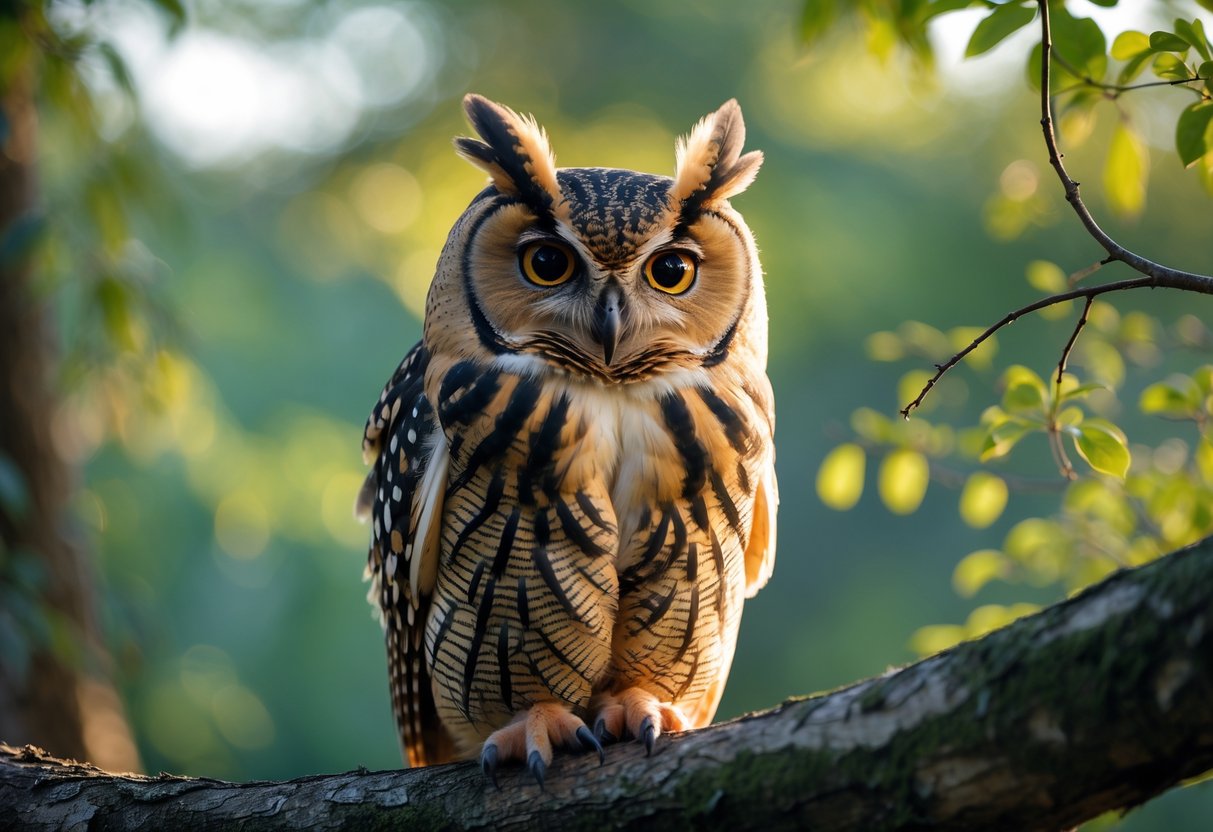
But not every owl acts the same way. Some, especially ones raised with humans around, can get used to people and even form a bit of a bond.
Still, wild owls almost always avoid us, and they might get defensive if you approach them.
If you’re curious about how owls behave around humans—or you’ve ever wondered if you could keep one as a pet—well, there’s a lot to consider. It’s usually better to admire these birds from afar.
Owls and Friendliness: Behavior Toward Humans

Owls are interesting, but their behavior with people is nothing like what you’d expect from pets. Their natural temperament, personality quirks, and outside influences all play a part in how they act around us.
Natural Temperament of Owls
Owls mostly keep to themselves and act pretty shy. They usually see humans as threats and steer clear.
Most owls belong to families like Strigidae (the typical owls) or Tytonidae (barn owls). Almost all of them are nocturnal, so they’re out and about when most people are sleeping.
Owls come in all sizes—from tiny screech owls to the massive Eurasian Eagle Owl. The big ones might look intimidating, but honestly, they’re just as likely to keep their distance.
They rely on stealth and silence to stay safe. Owls don’t go looking for friendly contact; survival always comes first for them.
Notable Individual Owls and Human Interaction
Sometimes, a particular owl surprises everyone by tolerating or even seeking out people. The Eurasian Eagle Owl, for example, has been spotted following humans or responding to calls.
Usually, this happens when someone raises an owl from a young age or keeps it in captivity.
Owls that imprint on humans might accept gentle touches and bond with their owners, though it takes time and trust. Wild owls, on the other hand, almost never show affection and can get stressed or even aggressive if you come too close.
If you find an injured owl, you should call a wildlife professional instead of trying to help it yourself.
Factors Influencing Owl Behavior
A few things shape how owls behave around people:
- Environment: Owls living near towns might get used to seeing humans, but those in remote areas usually avoid us.
- Season: When nesting, owls get more protective and might act aggressively.
- Health: Sick or injured owls often become defensive.
- Species: Some, like barn owls, seem less shy than others, such as great horned owls.
If you understand these factors, you’ll know how to respect their space. Owls really do best when we leave them alone.
For more details, check out this guide on owls and friendliness.
Owl Lifestyle and Habits
Owls follow their own routines and have specific diets that help them survive. Where an owl lives and what it eats really shape its behavior.
Diet and Prey Preferences
Most owls hunt small animals that are easy to catch at night. They love rodents like mice and rats, and sometimes they’ll go after rabbits.
Depending on what’s around, they’ll also eat birds, insects, or even frogs.
Owls have these special feathers that let them fly almost silently. That’s how they sneak up on prey without being heard.
They use sharp talons to grab and kill their food quickly.
Different species like different things. Barn owls mostly go for rodents, while bigger owls like the Eurasian Eagle Owl might take down squirrels or rabbits.
Role in Controlling Rodents
Owls help keep rodent populations under control. If you’re dealing with a rodent problem, having owls nearby can make a real difference.
Rodents damage crops and spread disease, so owls end up protecting your garden or home.
They hunt mostly at night, which is when rodents are active.
By eating common pests like mice, owls serve as natural pest control. You get fewer pests without needing to use dangerous poisons.
Impact of Environment on Owl Behavior
Where owls live really shapes how they act. In cities or busy neighborhoods, you’ll notice owls tend to keep quiet and steer clear of people.
Out in the wild, they seem more active and stick to their usual hunting habits. Most owls sleep during the day, tucking themselves away in trees or old buildings where it’s quiet.
If things get noisy or crowded, they start acting more cautious. Food shortages push owls to hunt farther from home or try new foods.
When people disturb their habitats, owls often move on to find safer places with better meals. Makes sense, right?
If you spot owls near your house, knowing these habits might help you understand what they’re up to.
For more detail, you can visit the birdpursuits guide on owl behavior.


