
Owls seem mysterious—some folks might even find them a little spooky. But are they actually mean to humans? Owls don’t act mean by nature, but they’ll fiercely defend themselves or their nests if they feel threatened. Sometimes, they might even attack out of the blue. Most of the time, though, they’d rather just avoid people and slip away quietly when you come near.
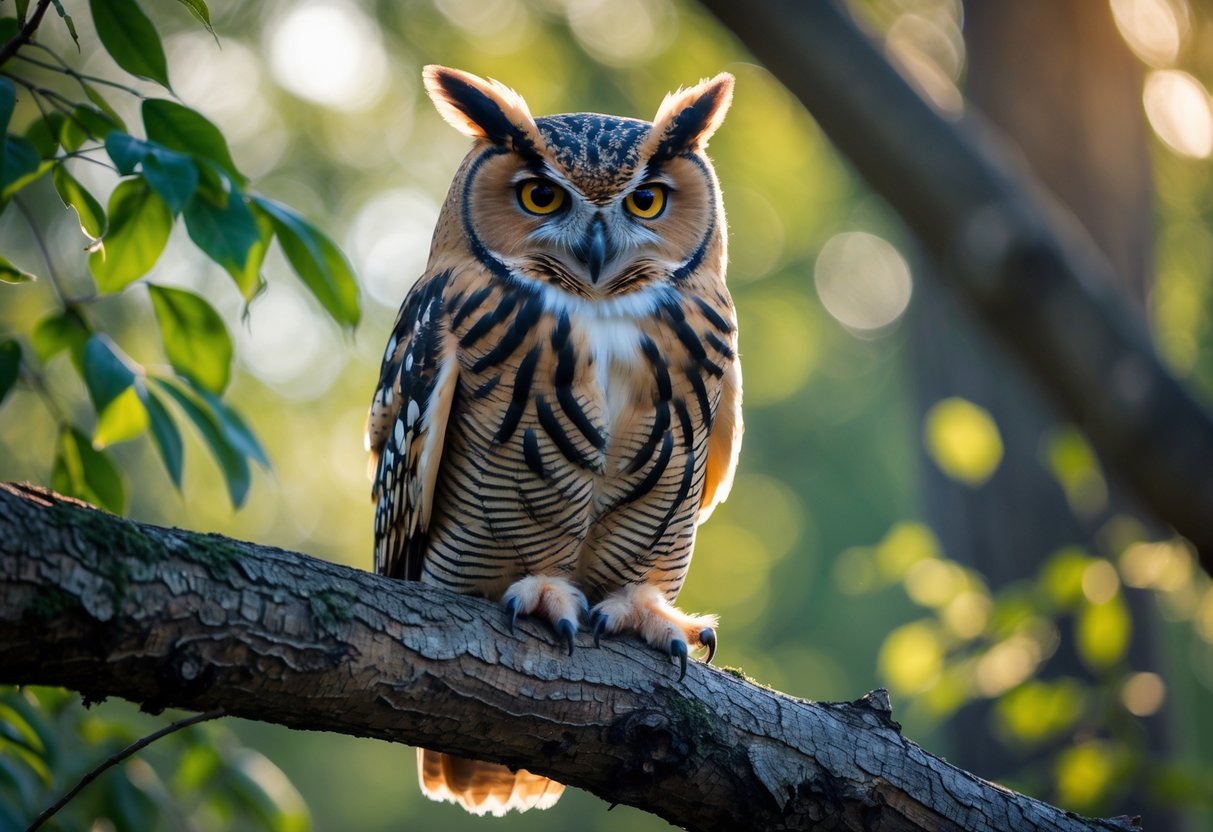
You might not expect it, but owls can get very protective about their territory, especially during breeding season.
If you wander too close to their chicks or their home, they might swoop down to scare you off.
Knowing why they act this way can help you steer clear of trouble and avoid any surprise encounters.
Are Owls Aggressive or Mean to Humans?

Owls are wild birds with sharp talons made for hunting.
How they behave around people really depends on the situation.
Most owls just avoid humans, but some might get aggressive if they feel threatened or if people get too close to their nesting spots.
Owl Behavior Toward People
Most owls, like great horned owls and barred owls, just keep their distance from humans.
They’d rather hunt small animals and not mess with people.
Still, they’re birds of prey and have those sharp talons for catching food.
If you leave them and their nests alone, they’ll leave you alone too.
But if an owl thinks you’re a threat, it might swoop at you or make loud noises.
You’ll notice this kind of behavior near their territory, especially where owls get really protective.
When and Why Owls Act Defensively
Owls act up when they think their home or chicks are in danger.
Great horned owls and barred owls, for example, guard their nests with a lot of determination.
If you get too close, an owl might dive at you or swipe with its claws to get you to back off.
They don’t do this to be mean—it’s just about keeping their chicks safe.
When their territory shrinks or nesting spots disappear, owls might end up closer to people and act more defensive.
Myths and Misconceptions About Aggression
A lot of people believe owls are mean or even hunt humans, but that’s just not true.
Owls almost never attack people to hunt.
Their talons are sharp, but they only use them against people if they feel threatened.
Stories about owls being bad luck or attacking people on purpose are just myths.
If you look at their behavior as protective, not aggressive, it makes more sense.
For more info, you can check out cases of owls being aggressive towards humans.
Owl Species, Human Interactions, and Influencing Factors
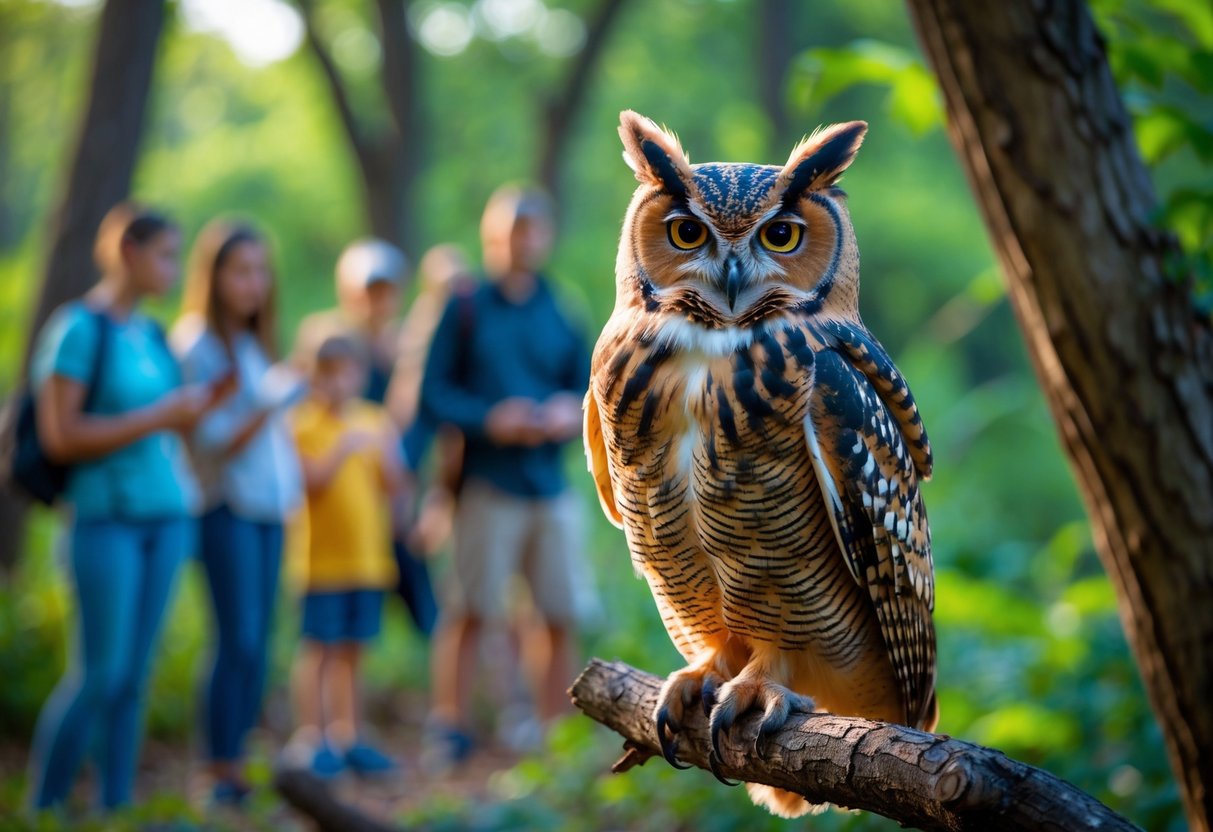
Owls act differently depending on their species, where they live, and how their environment changes.
Some owls come closer to people, while others really keep to themselves.
It’s interesting how these things play into whether an owl seems aggressive or pretty chill around humans.
Common Encounters With Owls
You’ll spot owls mostly at night since they’re nocturnal.
Sometimes they’ll swoop near people if they think their nest or chicks are in danger.
This kind of territorial behavior pops up in places where owls nest in tree holes or near homes.
If you live close to woods, you might see owls hunting rabbits or other small animals.
Their silent flight lets them sneak up on prey, but it can also surprise people.
Just remember, owls really don’t want to hurt you.
Most of the time, if they act up, it’s just because they’re defending their space during breeding season.
Species Differences: Great Horned, Barred, and Snowy Owls
Great Horned Owls have those big ear tufts and get pretty defensive about their territory.
They’ve got large talons and a strong beak, so if they feel disturbed, they might act aggressive.
Barred Owls stick to forests and sometimes act up in places like the Pacific Northwest.
Their territorial streak can bring them a little too close for comfort.
Snowy Owls live in colder, snowy places and usually avoid people.
Still, with climate change and habitat loss, they’ve got it tough and might wander closer to humans if food gets scarce.
Habitat, Climate Change, and Human Impacts
Logging, urban development, and climate change keep shrinking owl habitats. Owls end up squeezed into smaller spaces, sometimes too close for comfort with people.
When owls can’t find enough trees for nesting, they get pretty territorial. I mean, wouldn’t you?
Climate change hits species in its own unpredictable ways. Take snowy owls—these birds rely on cold tundra, but as those regions warm up, their food sources like rabbits start to vanish.
So, snowy owls have to look for new places to survive. It’s a tough situation, honestly.
Our choices matter, too. If you use pesticides or mess with nesting sites, you might hurt local owl populations.
Protecting wild areas goes a long way. It helps owls stick around and keeps things peaceful between them and us.
If you’re curious about how owls handle environmental threats, check out Owls’ Responses to Environmental Challenges.


