
Spotting an owl out in the wild can feel almost magical. Let’s be honest, these birds aren’t something you see every day. People often wonder—does seeing an owl mean you’re lucky? Honestly, it really depends on where you’re from and what you believe. In some places, folks see owls as wise and lucky, but in others, they’re wrapped up in mystery or even considered bad luck.
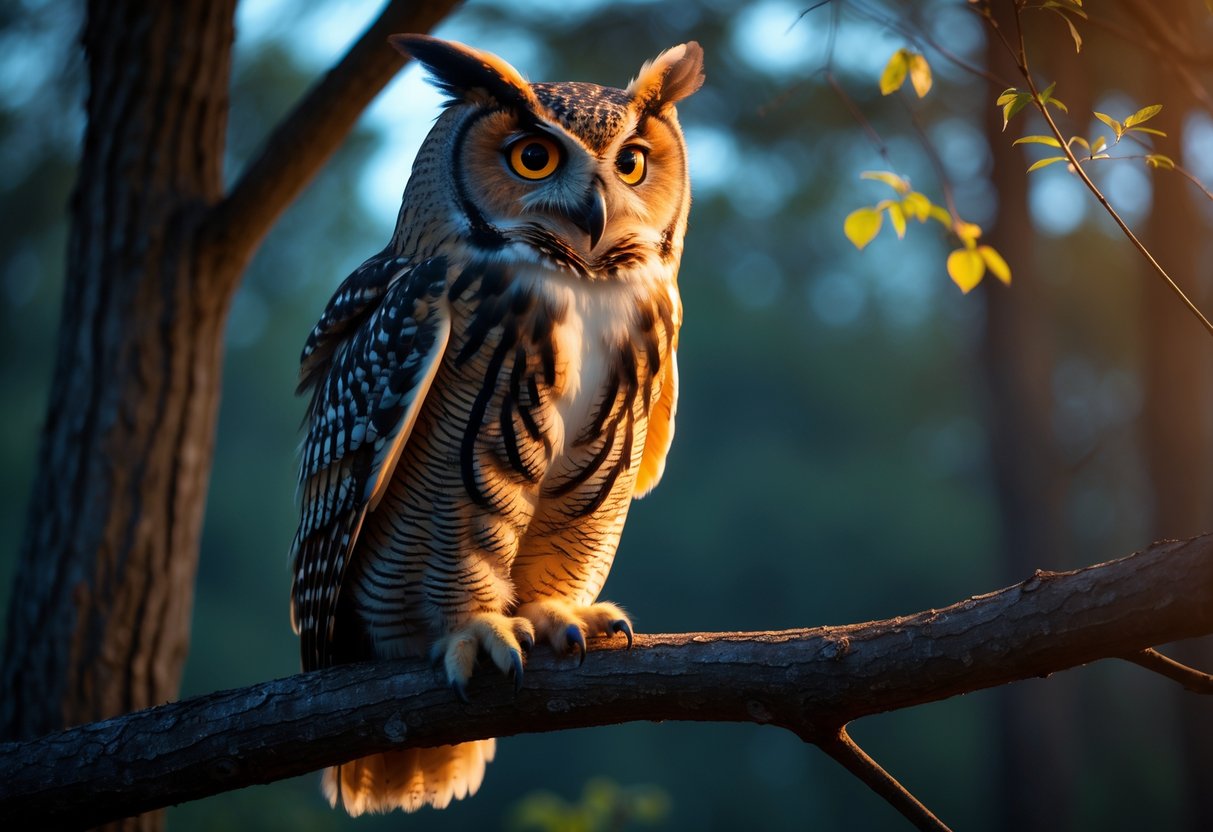
You’ve probably heard someone say that seeing an owl is a sign that something big is coming. That’s not unusual. Cultures all over the world have their own takes on owls. In Japan, for example, people actually carry owl charms for protection and luck. Meanwhile, other places connect owls to warnings or superstitions.
Digging into these beliefs might help you figure out what an owl sighting means for you. Maybe you just love watching these quiet nighttime hunters. Either way, owls are honestly fascinating. Curious about what seeing an owl could mean? Let’s get into it.
What Does It Mean to See an Owl?

Owls can mean all sorts of things, and it really comes down to your culture and personal beliefs. Sometimes, people see them as lucky or wise. Other times, folks say owls warn you or signal a big change.
Your own reaction might be excitement or maybe a shiver, depending on the owl and the moment.
Luck and Superstition Around Owl Sightings
In some cultures, people say owls bring good luck. In Japan, for instance, the little owl is a symbol of luck and protection. People carry owl charms hoping to attract fortune and keep away trouble.
But elsewhere, owls get a spookier reputation. Hearing a barn owl or great horned owl near your house? Some believe that’s a bad sign—maybe illness or even death is near. In parts of Africa and North America, people sometimes see owls as warnings or bad omens.
The type of owl matters too. A big eagle owl might mean trouble, while a small screech owl could be a good sign.
Cultural Interpretations of Owl Encounters
Every culture seems to have its own owl stories. The Ancient Greeks connected owls to Athena, their goddess of wisdom. You’d even find owls stamped on their coins—pretty cool, right?
Native American tribes have mixed feelings. Some call owls protectors and guides to the spirit world. Others see them as signs of illness or death. For the Hopi, owls can actually bring good news, but the Navajo might take an owl’s call as a warning.
In Mexico, owls often get linked to the underworld, and their calls might predict death. But in Guatemala, owls stand for prosperity and luck, and people even use owl-shaped banks to stash their cash.
Owls as Omens: Good and Bad
Owls pop up in stories as omens—sometimes good, sometimes not so much. You might spot one and wonder if it’s trying to tell you something. If a barn owl appears near your place, some folks think it’s a warning about danger or illness.
But here’s the twist: the same owl could mean protection or a big change. In India, owls connect both to Saraswati, the goddess of wisdom, and Kali, the goddess of destruction.
People also pay attention to what the owl does. If it hoots loudly at night, some say it’s a warning. If it glides by quietly, it might be guiding you.
The Wisdom of Owls in Popular Belief
Most of us picture owls as wise, right? Maybe it’s those big eyes or the way they move so silently at night. In the U.S., people often see the great horned owl as the wise one. You’ve probably seen cartoon owls with glasses or even as school mascots.
This “wise old owl” thing comes from how they hunt—watching, waiting, striking at just the right moment. It’s a reminder to stay sharp and think things through.
Owls seem to ask us to look deeper, to trust our gut. Whether you spot a barn owl or a tiny little owl, it’s easy to see why people think they know more than they let on.
Want to dig deeper? Check out owl meanings across cultures.
Owls in Mythology, Faith, and Philosophy
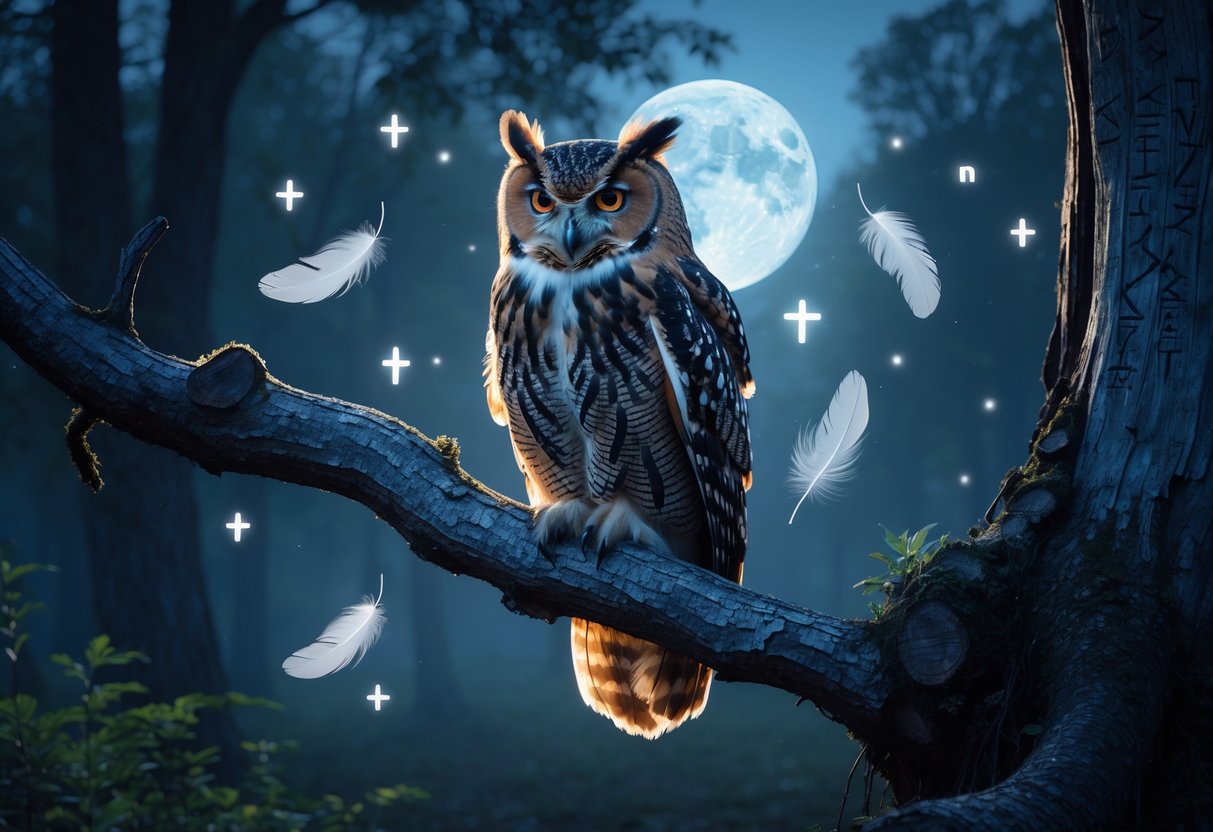
People have tied owls to wisdom, mystery, and even warnings for ages. Cultures and philosophers see owls in all sorts of ways. Sometimes they’re wise, sometimes they’re a little spooky. Understanding these stories helps explain why owls feel so meaningful.
Owls in Ancient Greece and Roman Beliefs
In Ancient Greece, people linked the little owl closely to Athena, their goddess of wisdom and war. Spotting an owl was a sign of knowledge, protection, and maybe even good luck. If an owl showed up near your house, folks believed Athena herself was watching over you.
The Romans picked up on this and saw owls as symbols of insight. Still, some thought owls brought warnings or even death. So, depending on where you lived or what you heard growing up, owls could mean very different things.
The Owl of Minerva and Hegel’s Philosophy
You might’ve heard of the “Owl of Minerva.” People use it as a symbol for wisdom, saying it only really sees things clearly when the day ends. This comes from Minerva, the Roman goddess of wisdom, and the philosopher Hegel took this idea and ran with it.
Hegel said philosophy is like the owl—it understands things after they happen, not before. So, real wisdom comes with hindsight, kind of like an owl flying out at dusk, seeing the world differently once everything’s changed.
Symbolism in Modern Faith and Folklore
Owls pop up in all sorts of faiths and stories these days, and honestly, their meanings are all over the place. Some Native American tribes see owls as protectors or guides—they might show up when something’s about to shift, or when a message needs delivering.
But then, other groups treat owls as pretty bad news. Some folks think spotting one means bad luck, or even a sign of death. That’s a lot of weight for one bird to carry.
In Hindu faith, owls hang out with the goddess Lakshmi, who’s all about wealth and luck. If you spot an owl in this context, people might actually take it as a blessing.
It’s kind of wild how the same animal can mean good luck for some, and totally the opposite for others.
| Culture/Belief | Owl Symbolism |
|---|---|
| Ancient Greece/Rome | Wisdom, protection, prophecy |
| Hegel’s Philosophy | Wisdom through understanding past |
| Native American | Guidance, change, some warnings |
| Hinduism | Luck, wealth, goddess Lakshmi |


