
Owls have always been wrapped in a kind of mystery and power across cultures. People usually link them with wisdom, sharp night vision, and this uncanny knack for seeing what others miss. Most folks say owls have powers like razor-sharp vision, silent wings, amazing hearing, and, in legends, a magical sense for prophecy or insight.

When you picture an owl, maybe you see those glowing eyes or imagine its wings gliding through the night. These features aren’t just cool; they’ve led people to believe owls can guide souls, predict what’s coming, or keep danger away.
These ideas come from myths and folklore all over the world.
You might not expect it, but owls are tied to different spirits and gods, especially in ancient times. Take the wisdom from Greek stories or the guardian roles in Native American tales—owls always stand out as unique, powerful birds.
No wonder people are so fascinated by them.
Symbolic Powers and Attributes of Owls
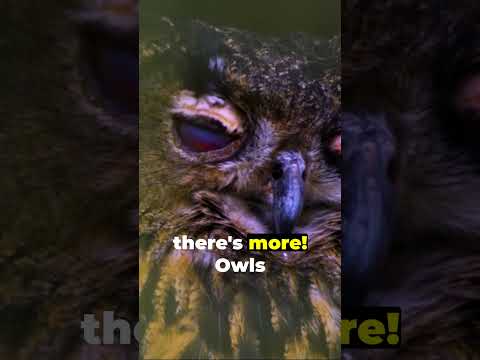
Owls mean something special in so many cultures. People often connect them with power, deep knowledge, spiritual insight, and a kind of protective strength.
Wisdom and Intelligence
Most folks see owls as symbols of wisdom and clever thinking. Maybe you’ve noticed how the Great Horned Owl or Barred Owl both show up as signs of intelligence. The Little Owl links directly to Athena, the Greek goddess of wisdom, which explains why owls stand for learning and cleverness.
In old stories, owl medicine points to gaining insight and seeing what others just can’t. If you find an owl feather, some say it sharpens your mind or signals that new knowledge is on the way.
Owls move in silence and see in the dark, so people believe they observe carefully and act with thought.
Intuition and Spiritual Guidance
Owls often guide people through the unknown. Since they’re active at night, they symbolize seeing what’s hidden in the dark—secrets or even glimpses of the future.
If owls or their feathers keep showing up in your life, maybe your intuition is growing. You might feel like you can trust that gut feeling more than before.
In lots of Native American stories, owls carry messages between the spirit world and the living. The Barn Owl or the Night Eagle, for example, sometimes help people on spiritual journeys or in dreams.
Owls also stand for clairvoyance, the sense of knowing things beyond normal sight.
Protection and Bravery
Owls don’t just bring wisdom and spiritual vibes—they can also mean protection. Some tribes see owls as guardians, especially for warriors or brave souls.
The Dakota Hidatsa and Hopi, for example, look to the Burrowing Owl as a protector.
Spotting owl feathers or symbols in your life might mean strength and safety are close by. Owls’ sharp talons and silent hunting make them fierce defenders.
Their presence can remind you to stay brave and alert. Even when things get tough, owls seem to teach us about courage and keeping watch.
Owls in Folklore and Mythology

Owls pop up everywhere in stories and beliefs, often with a mix of wisdom, mystery, or even as warnings. Cultures around the world give them all sorts of meanings.
Ancient Greece and the Little Owl
In Ancient Greece, people saw the little owl, called Athene noctua, as the companion of the goddess Athena. She ruled over wisdom and war.
You’d spot this owl next to her in old artwork.
The little owl stood for knowledge, wisdom, and protection in Greek culture. People believed it helped Athena see what others missed.
Some thought the owl brought clear insight during tough times.
Even the hoot of an owl could mean a message from the gods or a sign of intelligence. This made the owl a big deal in Greek life.
Owls in Roman Culture
Romans picked up a lot of owl lore from the Greeks, but they added their own spin. Leaders like Julius Caesar and Augustus paid attention to the hoot of an owl, seeing it as an omen—maybe a warning of danger or even death.
In Roman stories, owls sometimes signaled bad luck, but people also respected their cleverness. The “spedis owl” appeared in tales about prophecy and fate.
Romans used the owl’s image to remind themselves to be cautious and smart. It really showed how owls connected to both knowledge and mystery.
Native American Beliefs
Different Native American tribes see owls in all sorts of ways. In some cultures, owls—including the burrowing owl—link to protection and the spirit world.
You’ll find stories where owls act as guardians or guides, helping people understand things hidden from view.
Other tribes believe owls bring warnings or messages from the other side. Sometimes, an owl’s call means someone broke a taboo or danger is close.
These beliefs show how owls can be both helpers and protectors, but also creatures you need to respect.
They play a big role in connecting people to spiritual knowledge and the natural world.
Owls in Witchcraft and Magic
Owls show up a lot in witchcraft and magic. People see them as symbols of power and mystery. Witches often treat owls like helpers in their spellwork, tying them to wisdom and the ability to see things others can’t.
Their silent flight and sharp night vision just feel magical, don’t they? It makes sense that folks picked owls as natural symbols for magic.
In fairy tales and old stories about witchcraft, owls usually play the role of familiars or spirit guides. These birds help witches and sometimes stand for prophecy, secrets, or even death.
If you look at their fossils, you’ll see owls have been adapting for more than 60 million years. That’s a long time to stay mysterious and survive.
Whether you picture Athena’s wise little owl or a witch’s shadowy companion, these birds always seem to show up with a sense of power in magical stories.


