
Ever wondered which demon people associate with owls? The answer usually points to Stolas, a name that pops up a lot in demonology circles.
Stolas, often called the Owl Demon, shows up as an owl in old stories—representing wisdom, sure, but also a much darker kind of knowledge. Folks have written about him in grimoires and tales tied to witches and the occult. There’s something oddly captivating about that mix of wisdom and danger.
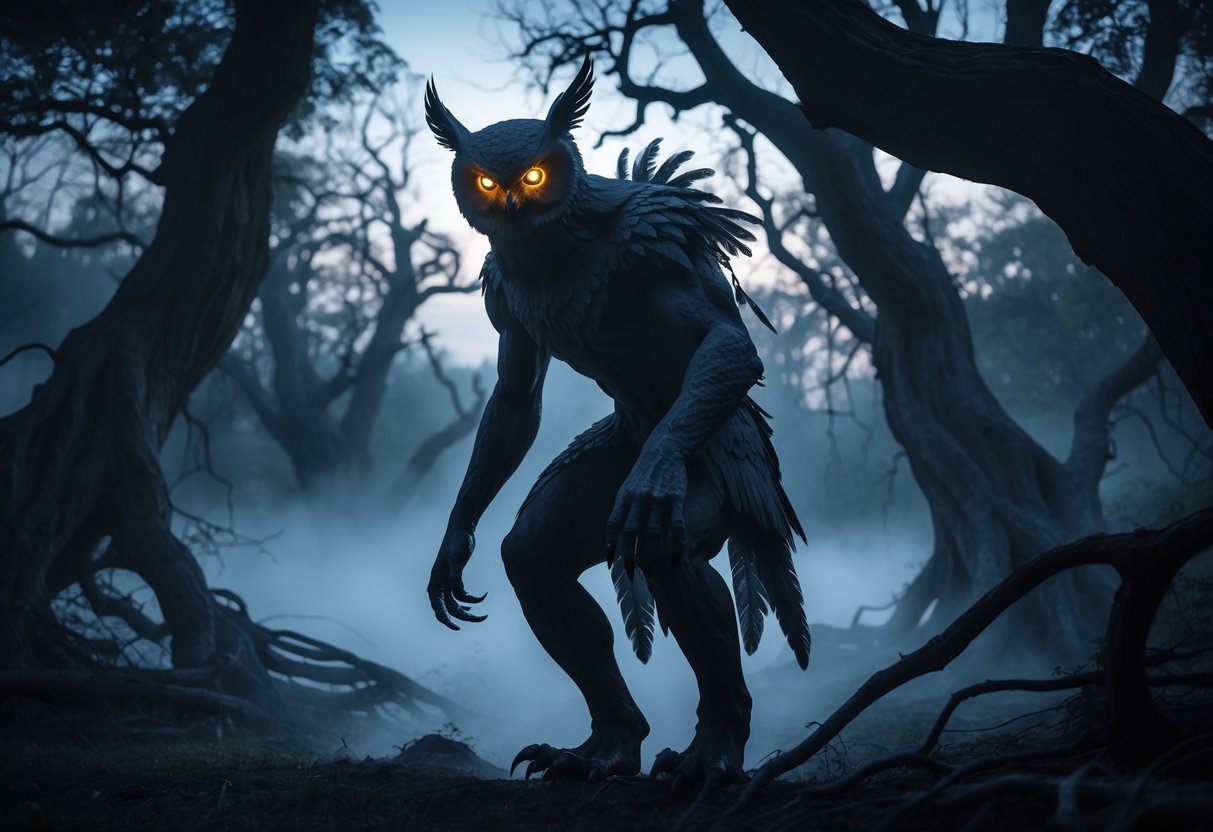
Owls have always had a special place in myths and legends. People see them as keepers of secrets, creatures of the night, and sometimes, well, a little scary.
Some beliefs link owls to female night demons like Lilith or Kilili, which only adds to their eerie vibe. These connections might just change the way you look at owls in stories and even in modern fantasy.
If you love tales about demons and mysterious creatures, digging into owl myths might surprise you. Owls aren’t just birds flitting through the night; they’ve picked up deep, sometimes unsettling, meanings over the centuries.
It’s fascinating to see how these connections keep shaping myths and pop culture. Want to know more about Stolas and the owl’s place in folklore? Check out this page on the Owl Demon Stolas.
The Demon Lilith and Owl Symbolism

Lilith’s story goes way back, tangled up in ancient tales about gods, humans, and demons. Her link with owls adds a layer of mystery that’s hard to ignore.
You’ll find her origins, her ties to owls, and why so many call her a night demon all wrapped up together.
Lilith in Jewish and Mesopotamian Mythology
Lilith first appears in Mesopotamian myths as Lilītu, a demon who harmed pregnant women and children. Later, Jewish legends introduce her as Adam’s first wife, made before Eve.
When Lilith refused to be subservient, she walked out of Eden. That bold move turned her into a symbol of rebellion.
People in ancient times feared Lilith as a winged night spirit. Jewish texts like the Talmud describe her as a demon who haunted men’s dreams.
Her story mixes freedom, danger, and a bit of witchery, putting her at odds with the divine order you might find in sacred texts. If you want the whole story, here’s a Biblical Archaeology Society article.
Connections Between Lilith and Owls
People often link Lilith to owls because both are creatures of the night with haunting calls. In some Bible translations, the Hebrew word “lilith” actually comes out as “screech owl.”
That bit of wordplay reflects the owl’s reputation for darkness and mystery, which fits Lilith’s image as a night flyer.
Owls stand for wisdom, but they’re also predators in the dark. Lilith shares these traits—she prowls at night, preys on the vulnerable, and inspires fear.
Artists and writers love to show Lilith with owl wings or surrounded by owls, highlighting her wild, untamed side. Curious for more? Here’s Jennifer Heather’s blog about Lilith and owls.
The Role of Lilith as a Night Demon
Lilith is famous as a night demon who disturbs sleep and brings harm after dark. People in ancient times made amulets to guard against her, especially to protect mothers and babies.
This idea comes from the belief that Lilith attacks when people are at their most defenseless. Some stories even call her a succubus, a demon who tempts men in their dreams.
That reputation ties her to chaos and sin in traditional religious views. Lilith stands for the dangers lurking outside divine protection—a symbol of wild forces nobody can really control.
If you want to dig deeper, check out LDS Scripture Teachings on Lilith.
Other Demonic and Mythological Owls

Owls show up in a lot of dark stories and legends. Some folks see them as omens of bad luck, while others tie them to the underworld.
You’ll stumble across tales of shape-shifting, spirits, and even demons that take the form of these birds.
Ascalaphus and His Transformation by Demeter
In Greek mythology, Ascalaphus revealed a secret about the gods. When Persephone ate the pomegranate in the underworld, Ascalaphus told Demeter what happened.
She didn’t take it well and punished him by turning him into an owl. That transformation made him a symbol of the underworld and all its mysteries.
His owl form came to stand for punishment and dark secrets. Because owls live in the night and watch from the shadows, people started to link them with death and the afterlife.
The story of Ascalaphus reminds us why owls became symbols of secrets better left untold.
The Stygian Owl and Its Diabolical Imagery
The Stygian owl gets its name from the river Styx in Greek myth, which separates the living from the dead. Since this owl lives mostly at night and rarely shows itself, people gave it a fearsome reputation.
Folks started to see it as a bad omen or even as a creature tied to death. Its dark image fueled stories about demons or evil spirits.
Whenever the Stygian owl appeared in tales, it usually signaled danger or doom. You’ll sometimes hear it called a “devil bird,” especially in legends where eerie bird calls warn of misfortune.
Owl Demons and Nightmares in Ancient Cultures
People in many ancient cultures connected owls to demons or spooky spirits that caused nightmares. Take some Native American stories, for instance—people there thought owls brought bad dreams or carried messages from evil forces.
The Ainu people in Japan took a different approach. They carved eagle owls to keep away famine and disease. It’s kind of fascinating how they saw owls as both protectors and mysterious creatures.
In Cuba and across the Caribbean, folks sometimes saw owls as messengers of witchcraft or dark magic. These beliefs tied owls to the night and to unknown forces that might mess with you while you slept.
Depending on where you looked, people could fear or respect owls—or honestly, maybe both at the same time.
| Owl Myth | Associated Meaning | Culture |
|---|---|---|
| Ascalaphus (owl form) | Punishment, underworld secret | Greek |
| Stygian Owl | Bad omen, death | Greek |
| Eagle Owl carvings | Protection from famine/pestilence | Ainu (Japan) |
| Owl demons causing nightmares | Witchcraft, dark magic | Native American, Cuban |


