
Ever wondered if owls are good to have around your house? Honestly, the answer’s usually yes. Owls help out by hunting rodents—think rats and mice—so your property stays mostly pest-free, and you barely have to do a thing.
They hunt quietly and stick to nighttime hours, so you won’t hear much noise during the day.
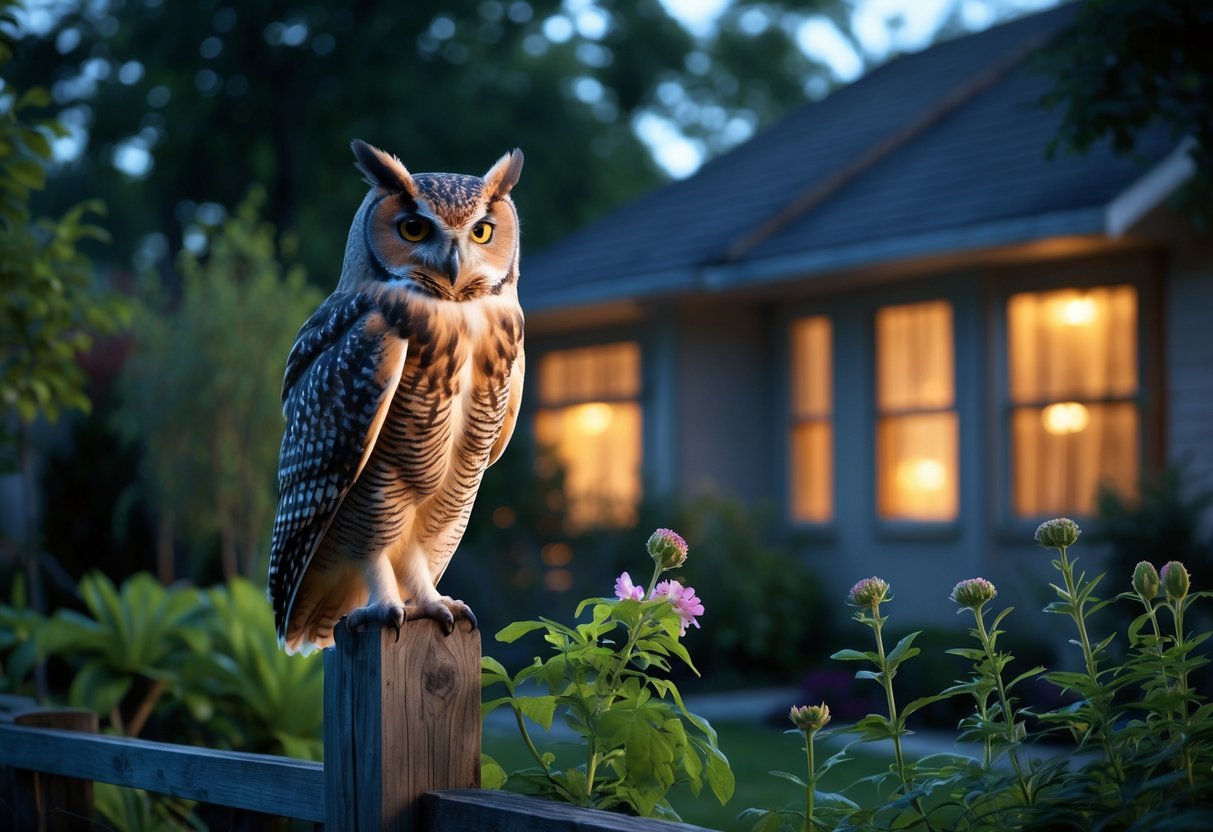
Owls nearby add a bit of mystery. They’re graceful and often hidden in the shadows.
But when you spot one, you know there are fewer pests around. That’s great for your garden and your home.
If you want to attract owls, you can make your yard more welcoming for them. It’s a pretty natural way to keep your space healthy and clean.
Key Benefits and Concerns of Having Owls Nearby
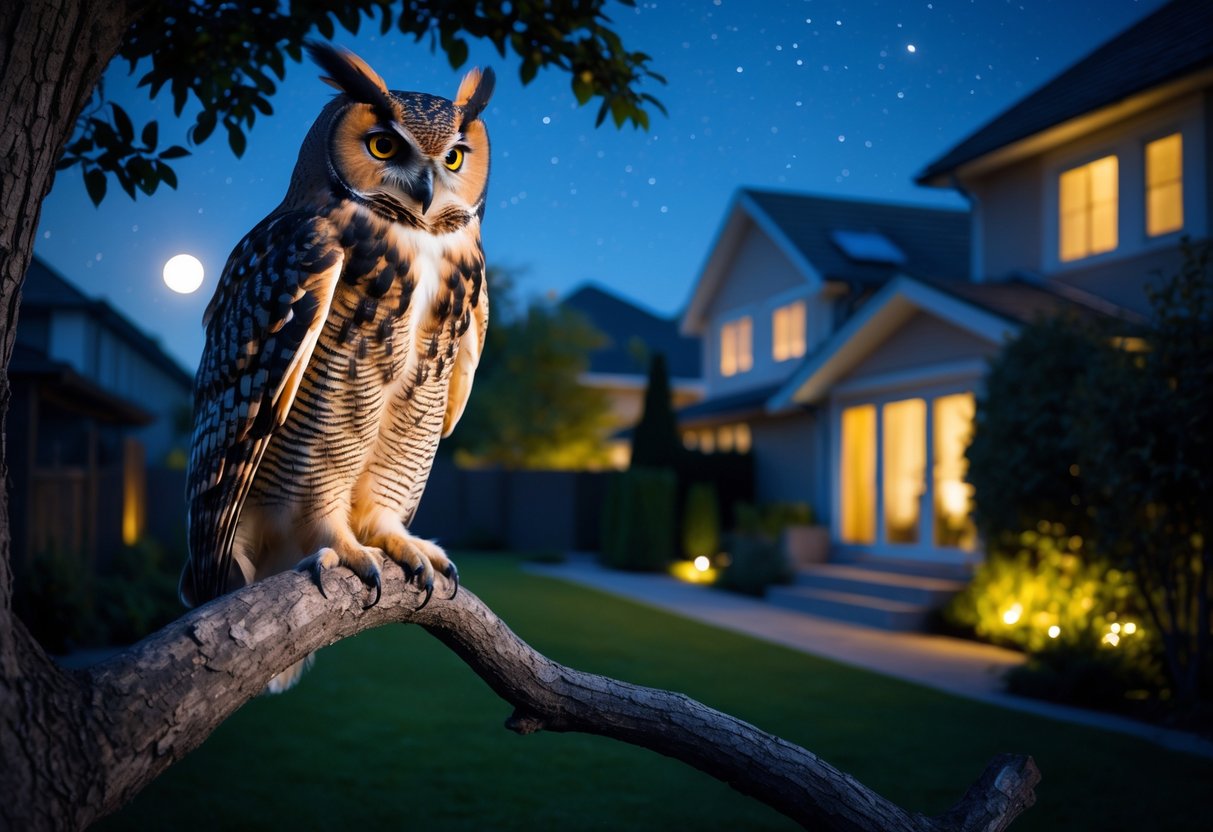
Owls can bring both benefits and a couple of challenges to your property. They’re natural hunters, but you’ll want to respect their role in the ecosystem.
Natural Pest Control and Rodent Management
Barn owls, in particular, do a fantastic job keeping rodents in check around your home. They go after mice, rats, voles, and other small mammals that can mess up gardens or stored food.
A single barn owl family can eat thousands of rodents every year. That really cuts down on the need for traps or poisons.
They hunt by flying low and silently at night, catching pests before you even notice them. Sometimes you’ll find owl pellets—little bundles of undigested bones and fur—near their roosts.
Those pellets show just how many rodents they’ve eaten. If you put up nest boxes in safe spots, you might see even more of these benefits.
Potential Risks or Challenges to Pets and Livestock
Owls mostly target small wild animals, but there’s a slight risk to tiny pets like hamsters or small rabbits. Raptors like barn owls have sharp eyesight and strong talons.
If you leave small pets outside at night, you could attract owls. Larger pets and livestock are usually safe, since owls don’t go after animals bigger than rodents.
If you keep small animals outdoors, it’s smart to lock them in secure coops or cages after dark. That way, you avoid any unwanted run-ins.
Legal Protection and Ethical Considerations
Laws like the Migratory Bird Treaty Act protect owls, so you can’t harm or disturb them or their nests. This includes barn owls and other raptors.
If you stumble upon a nest or young owls, just leave them be.
If you want to attract owls, skip the rodenticides—poisons can harm them indirectly. Instead, put up safe nest boxes and try not to mess with their habitat.
Following these rules keeps owls healthy and helps your environment, too.
For more on barn owl nesting and the legal stuff, check out this info about attracting barn owls to your property.
Common Owl Species Found Around Homes
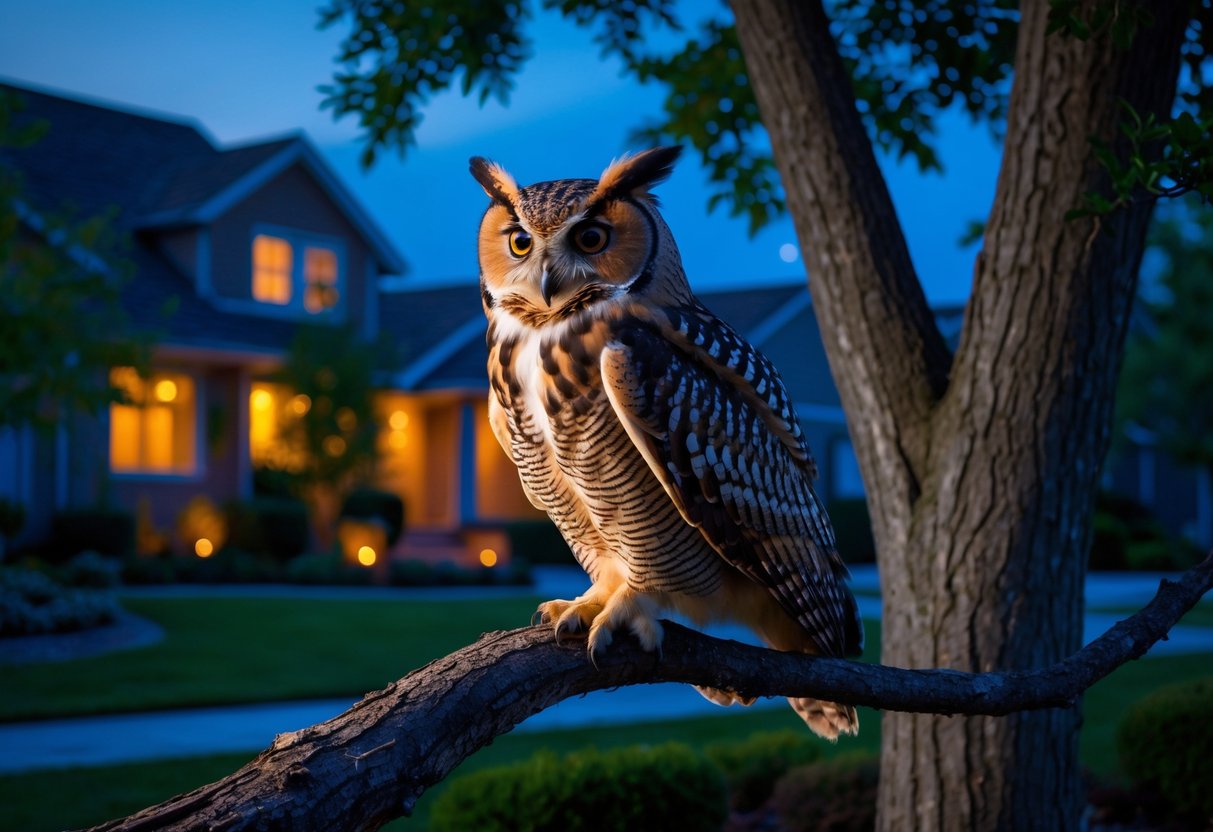
You might spot a few different owl species near your home. Each one has its own quirks and habits.
Some like quiet, open spaces, while others seem fine with suburban life. Knowing what makes them tick helps you get along with them.
Barn Owl and Nesting Habits
Barn owls like open fields and farmlands, especially near homes. They nest in tree hollows, old barns, or nest boxes you can put up.
They’re night hunters, mostly after rodents like mice and voles. If you want to attract them, set up a nest box at a good height and keep it away from bright lights.
Barn owls don’t hoot—they screech, and it’s a pretty eerie sound. Their pale bodies make them easy to spot at dusk or dawn.
Since they’re great at pest control, a lot of people appreciate having barn owls around. For more on these guys, check out tips on attracting barn owls.
Great Horned Owl Characteristics
The Great Horned Owl (Bubo virginianus) is one of the biggest and strongest owls you’ll see near homes. Those ear tufts and deep hoots are hard to miss at night.
They live in a bunch of different places—forests, cities, even suburbs. Instead of using nest boxes, they take over old nests built by other large birds or use tree cavities.
Great Horned Owls hunt everything from small rodents to skunks and other mid-sized mammals. If you have small pets, it’s best to keep them inside at night.
Their soft feathers let them fly almost silently, making them top-notch nighttime hunters. Seeing one usually means your local ecosystem is pretty healthy.
Eastern Screech Owl Behavior
Eastern Screech Owls are small—just 6 to 10 inches tall—but they’re tough hunters. You’ll find them in wooded neighborhoods, parks, and near houses.
Their colors vary, usually gray or reddish-brown.
These owls nest in tree holes or old woodpecker spots. They’ll also use nest boxes if you set them up right.
Eastern Screech Owls hunt at night, going after insects, small mammals, and birds. Their trilling or whinnying calls can help you find them, even if they’re hidden.
They do well in suburban areas and aren’t much of a threat to small pets compared to bigger owls, but they’ll still hunt birds and rodents if they get the chance.
Barred Owl and Urban Adaptation
Barred Owls are famous for their quirky “Who cooks for you?” call. You’ll often spot them hanging out at forest edges, but lately, they’ve started popping up in city parks and wooded neighborhoods.
Instead of squeezing into small cavities, Barred Owls go for large, open nests high in tall trees. They really need mature forests or at least a few big old trees nearby to settle down and raise their young.
These owls aren’t picky eaters. They’ll chow down on rodents, birds, or even amphibians. Most nights, they hunt under the cover of darkness, though sometimes you might catch them out during the day.
If your yard has thick trees and maybe a pond or stream, you might get a visit from one. Barred Owls are bigger—and, let’s be honest, louder—than a lot of other owls, but having them around can be surprisingly delightful.
Curious about which owls you might attract, or how to make your yard safer for them? Check out the guide on attracting owls to your backyard.


