
If you want to feed an owl safely, you really need to stick with foods that match what they’d eat in the wild. Owls thrive on whole animals like small mammals, dead day-old chicks, and sometimes insects or fish.
If you feed them anything else, you could cause health problems—especially if the food doesn’t have all the right nutrients.

Your best bet is frozen mice, rats, or day-old chicks. You can usually find these at pet stores or from specialty suppliers.
Raw lean beef or chicken might work in a pinch for a day or two, but honestly, they aren’t good long-term. If you know what to feed owls, you help them stay healthy and strong.
Safe Foods for Owls: Key Diet Choices
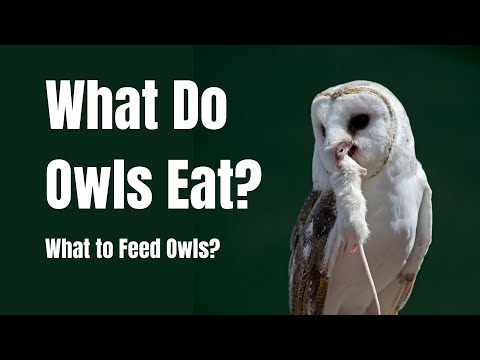
Owls need animal protein, just like they’d get in the wild. If you want to feed them right, you have to give them whole prey with bones and fur, not just plain meat.
Focus on foods that actually meet their nutritional needs. That way, you won’t accidentally cause harm.
Animal-Based Diet Requirements
Owls are strict carnivores, so their food always needs to be meat-based. You should give them foods packed with protein and fat, plus important vitamins and minerals that come from whole prey.
Raw, lean animal muscle like beef or chicken might be okay for emergencies, but only for a very short time. Those options just don’t have the nutrients owls really need.
Try to give them foods with bones, fur, and organs. These parts bring in calcium, phosphorus, and vitamins like A and D—stuff owls can’t go without.
When you feed barn owls or screech owls, you probably shouldn’t use supplements unless it’s just a tiny bit now and then. Too much can actually do more harm than good.
Most diets that use dead day-old chicks or small mammals already cover what they need.
Natural Prey for Wild Owls
Different owls hunt different animals depending on where they live. For example, barn owls (Tyto alba) usually go after small mammals like field voles, wood mice, and shrews.
Great horned owls and barred owls sometimes hunt rabbits, squirrels, or ducks, but not as often since their hunting habits are a bit different.
Short-eared owls mostly eat rodents like voles. Screech owls catch mice and other small animals.
Wild owls rely on animals with fur and bones to get all their essential nutrients. If you feed them anything less, you might end up causing health issues.
If you’re caring for a wild owl, offer prey like frozen mice, voles, or day-old chicks. These foods are pretty close to what they’d eat naturally and help keep them strong.
Whole Prey vs. Processed Meats
If you’re feeding owls in captivity or at a rescue, whole prey is the way to go. That means frozen or fresh mice, rats, day-old chicks, or other small mammals with fur and bones.
These foods give them a balanced diet.
Processed meats like cooked or boneless chicken, beef, or pet food from the store just don’t cut it. If you only feed muscle meat, owls can quickly miss out on calcium and vitamins D and A.
You can get frozen whole prey from specialty stores or pet shops that cater to reptiles and birds of prey. Just be careful not to freeze and thaw animals over and over, since that can make bacteria grow.
So, stick with whole prey that matches what owls would eat in the wild. That’s really the best way to keep them healthy.
Species-Specific Owl Diets and Feeding Habits

Owls eat different things depending on their species and where they live. Some owls mostly go for small mammals, while others add birds, insects, or even fish to the mix.
They hunt at night, using sharp talons and amazing hearing to catch their food.
Great Horned Owl Feeding Behavior
If you ever watch great horned owls, you’ll see they’re pretty serious hunters. They mainly eat small mammals like rabbits, skunks, and rodents.
They also hunt birds—ducks, songbirds, and sometimes even wild turkeys. Thanks to their size and strength, these owls can take down bigger animals than most other owls.
Great horned owls change up their diet based on what’s around. In some places, mammals make up about 90% of what they eat.
Once in a while, they’ll eat reptiles, amphibians, or insects too.
They usually hunt from a perch at night. When they spot prey, they swoop down silently and grab it with their talons.
This style lets them surprise their prey before it even knows what’s coming.
Barred Owl Typical Foods
Barred owls have a pretty varied menu. You’ll find them eating insects, fish, amphibians, reptiles, birds, rabbits, and small mammals.
They mostly live in forests, so their food choices reflect that.
Barred owls hunt mostly at night, but sometimes you might spot them hunting during the day. They can catch prey in water or on land, using strong feet and sharp beaks.
If you ever see a barred owl near a pond or stream, it might be hunting fish or frogs.
Their diet usually includes:
- Insects
- Fish
- Amphibians and reptiles
- Other birds
- Small mammals like mice and rabbits
This variety really helps them get by in different places.
Barn Owl Specialized Prey
Barn owls, especially Tyto alba, stick mostly to small mammals. Their main foods are mice, voles, and shrews.
They usually hunt in open fields and farmlands where small rodents are everywhere.
Because barn owls have such a focused diet, their success really depends on how many rodents are around. If rodents run low, barn owls have a tough time finding enough to eat.
They hunt at night, flying low over fields. Their feathers let them approach prey quietly.
Barn owls swallow small animals whole, then later cough up pellets with the parts they can’t digest.
Screech Owl and Short-Eared Owl Preferences
Screech owls go after a mix of small mammals, birds, and insects. They seem to favor field voles, wood mice, bank voles, and the occasional small bird.
You’ll usually find them hunting at night. They trust their sharp vision and hearing to pick out prey in the dark.
Short-eared owls, on the other hand, like to hunt over open fields. Most of the time, they chase field voles and other small mammals.
If there are small birds around, they’ll go for those too. Unlike some other owls, short-eared owls often hunt at dusk or dawn.
Both species really depend on small mammals for most of their food. When they get the chance, they add birds and insects into the mix.
They fly low, scanning and listening for any sign of movement. It’s a pretty effective hunting strategy, honestly.


