
Owls hoot to talk to other owls nearby.
They mostly hoot to mark territory, attract a mate, or keep in touch with their partner. This way, they tell others where they are or what they want, all without flying around looking for trouble.

If you listen at night, you might catch a pair of owls hooting back and forth.
Usually, the female starts, and the male answers. This back-and-forth helps them stay close and lets other owls know the area’s already claimed.
It’s kind of like their version of a neighborhood chat.
When you figure out who owls hoot to, you start to see more about their lives and habits.
Suddenly, those eerie sounds in the dark make a lot more sense.
Why Owls Hoot and Who Listens
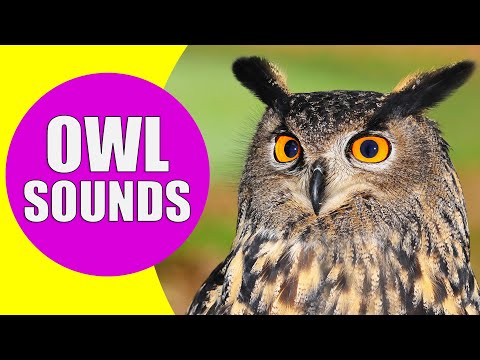
Owls use their hoots in all sorts of ways to talk to others.
They mark land, attract mates, and even warn about danger. Different owl species have their own sounds, each with a different meaning.
You’ll find that mates, neighbors, and even other birds pay attention.
Hooting for Territory and Mates
When an owl hoots, it’s often telling other owls to keep out.
Large owls like the great horned owl have deep, strong hoots that carry far. Their call says, “This spot’s mine.”
Male owls get especially vocal during mating season.
Their calls show off strength and health, which helps attract a female. If the hoot sounds good, he’s got a better shot at finding a partner.
Differences in Hoots Among Owl Species
Not every owl sounds the same.
Barred owls, for example, have a hoot that sounds a bit like “who cooks for you.” Great horned owls go for deeper, slower hoots.
These differences help owls figure out who’s calling.
Each species has its own hoot style that fits where it lives. In thick forests, owls might keep calls soft to stay hidden.
Out in the open, they hoot louder to cover more ground.
Mating Pairs and Neighboring Owls
Owls don’t just hoot at strangers.
Mating pairs use softer calls to keep in touch, especially at night. These quiet hoots let them share info without drawing predators’ attention.
Neighboring owls listen, too.
If a new owl starts hooting nearby, they notice and might respond to protect their turf. This helps them keep track of who’s around.
Warning Calls to Other Birds
Sometimes, owls hoot to warn other birds.
Their calls can signal danger or just tell smaller birds to stay away.
If a great horned owl or barred owl feels threatened, it hoots to warn off rivals and alert nearby birds.
This helps them protect hunting spots and dodge fights.
These warning hoots make owls a big part of their local bird scene.
How Owls Create Their Unique Hoots

Owls make their hoots with special body parts and some pretty unique habits.
Their feathers and body shape help their sounds travel far.
You can also see how silent flight and their eating habits fit into their life as birds of prey.
Role of Feathers and Plumicorns in Owl Sounds
An owl’s feathers aren’t just for flying or staying warm—they help shape sound, too.
The feathers around the face form a disc that works like a speaker, sending sound toward their ears. This helps owls hear better and send their own calls farther.
Plumicorns—the little tufts on an owl’s head—don’t actually help with hooting.
But they might change how the owl looks to others, which matters for communication. The stiff feathers on the wing edges help with silent flight, while the face feathers guide hoots right where they want.
The Anatomy of an Owl Hoot
When an owl hoots, it uses its syrinx, which sits at the base of the trachea.
That’s where the sound starts.
Owls control the syrinx muscles to make different hoots, from deep and low to sharp and quick.
The size and shape of the throat and mouth also change the sound.
Some hoots come out short and fast, others are slow and drawn out. This helps them send clear messages, whether they’re marking territory or calling for a mate.
Silent Flight and the Soundscape
Ever wonder how owls can hoot so loudly but fly without a sound?
Their flight feathers have soft, fringed edges that let air move quietly.
This lets them sneak up on prey without being heard.
It also means their hoots stand out at night, since you don’t hear any wing noise.
That’s probably why you hear owls hooting so clearly on quiet, cold nights.
Owl Pellets and Bird of Prey Behavior
You probably don’t think about owl pellets when you hear hooting, but these little bundles actually prove owls are sharp hunters. When you crack open a pellet, you’ll find bones and fur—leftovers from the prey an owl just couldn’t digest.
Owls hoot to stake out their hunting spots and to tell other owls to back off. This isn’t just noise; it’s how they communicate about food and territory. Your owl’s hoots? They’re basically saying, “This is my patch,” making sure they get enough to eat from the critters they catch.


