
Ever watched an owl and wondered, “Is that one a male or a female?” You’re definitely not alone. Figuring it out can feel tricky, since most owls look so much alike at first glance.
But there are clues if you know what to look for.
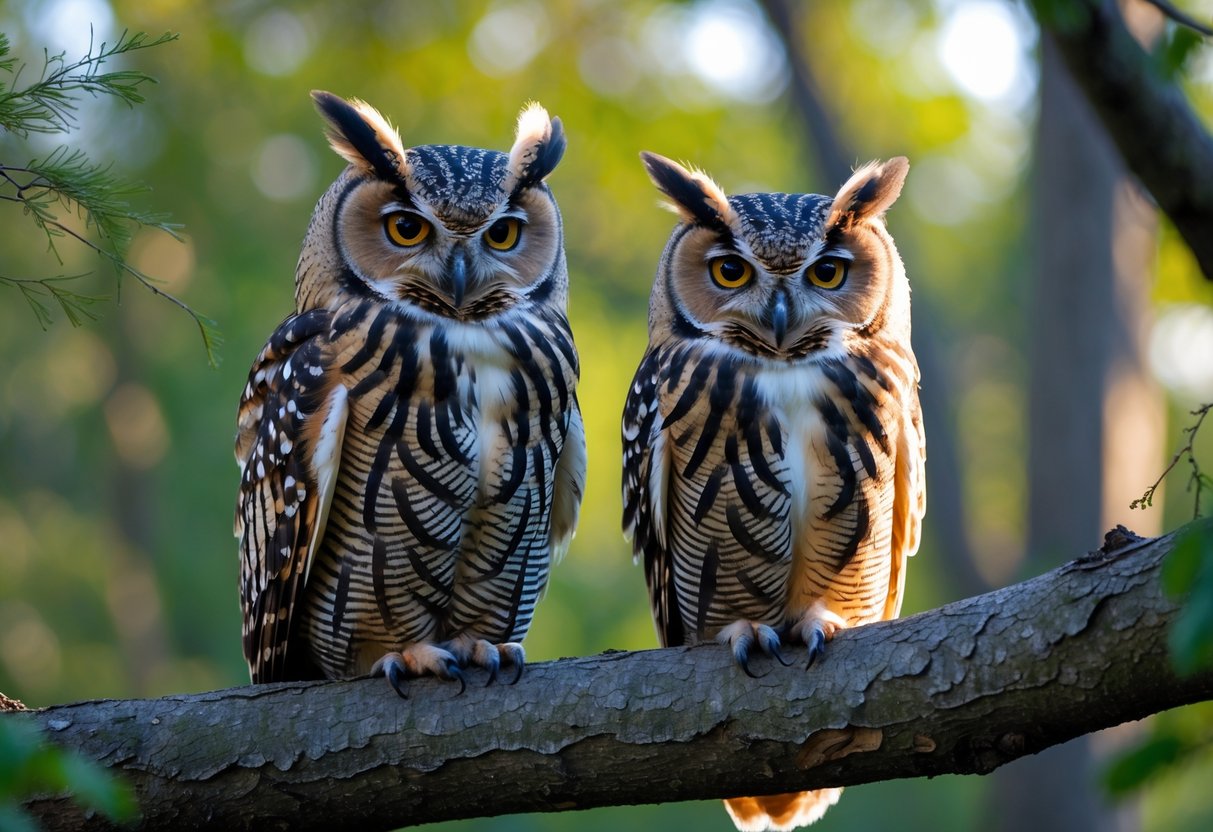
Honestly, the easiest way to guess an owl’s sex is by checking its size—females are usually bigger and heavier than males in most species. Sometimes you’ll notice differences in their calls, colors, or behaviors, but these are subtle and can change depending on the species.
Paying attention to these details can really help you make a pretty good guess.
Owls are just fascinating, aren’t they? Each one seems to have its own way of showing who’s who.
Whether it’s the sound of their hoots or the shades in their feathers, learning the difference adds a whole new layer to birdwatching.
Key Differences Between Male and Female Owls
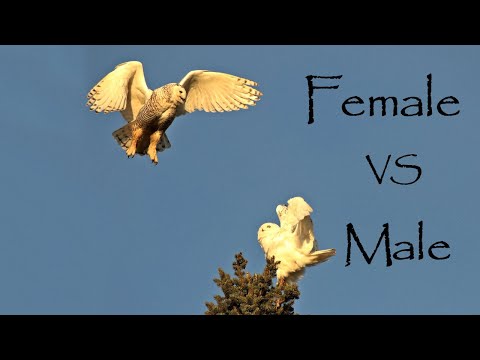
When you’re trying to tell if an owl is male or female, look for differences in size, wings, and feather patterns. These details change a bit depending on the species, like with the great horned owl or the snowy owl.
Once you know what to spot, it gets a lot easier.
Size and Weight Comparison
Female owls usually come out larger and heavier than the males. It’s true for many species, such as great horned owls and snowy owls.
Sometimes, females weigh up to 25% more. In snowy owls, the females tend to look bigger and have a broader body.
Males, by contrast, look slimmer and show fewer dark markings. This size difference actually helps females protect their eggs and chicks better.
If you see a great horned owl, notice if the bill and beak look bigger—that’s probably a female. She uses that size to catch larger prey.
Knowing about this size gap can really help if you’re trying to tell males from females out in the wild.
Wing Chord and Primary Feather Measurements
The wing chord measures the length from the bend of the wing to the tip. In lots of owl species, females have a longer wing chord.
Their primary feathers—the longest ones—are usually longer and thicker too. That gives them stronger flight, which helps with nesting and hunting.
You can notice these differences if you watch an owl at rest or during flight, especially if you’re at a rehab center or sanctuary. For example, a female great horned owl has thick, wide primary feathers, while males have narrower ones.
This helps females carry heavier meals back to the nest. In some species, these wing and feather details might be the easiest way to guess an owl’s sex without getting too close.
Subtle Markings and Plumage Clues
Feather color and spotting can tell you a lot, but it really depends on the species. Take barn owls—females have darker, reddish breasts with lots of black spots.
Males? They usually look paler and might have few or no spots at all.
Barred owls show differences too. Males have white feathers around their eyes that form a V-shape, while females get a C-shape instead.
If you look closely, you’ll spot these shapes. Snowy owl males are often whiter, with fewer dark bars on their tails.
Females show more dark spots and bigger bars. All these little details—patterns, colors, shapes—add up.
If you combine these markings with size and calls, figuring out an owl’s sex in the field gets a lot simpler.
Behavioral and Biological Indicators of Owl Sex

You can often spot the difference between male and female owls by watching how they act during breeding season. Their roles in nesting and raising young also offer clues.
Males and females even have different calls, which can help you figure out who’s who.
Vocalization Patterns Between Genders
Male owls usually call with a deeper, lower-pitched sound than females. In some species, males give slow, spaced-out hoots, while females call with higher-pitched, quicker hoots.
This pitch difference helps owls recognize each other’s sex, especially during mating season. You might hear a female owl making quick, repeated hoots—maybe seven in a row.
Males tend to hoot three or five times, with longer pauses in between. Barred owls do this a lot, and it’s a solid clue if you’re listening for gender source.
Nesting and Incubation Roles
In almost every owl species, the female lays the eggs (the clutch) and sticks around to keep them warm. She spends most of her time inside the nest, making sure the eggs are safe.
The male usually takes on hunting duty. He brings food back for the female and, later, the chicks.
After the young hatch, females might start hunting too, but males often keep bringing most of the food for the fledglings. Watching which owl stays at the nest and which one hunts can help you figure out their sex source.
Breeding Season Behaviors
During breeding season, males usually defend their territory by calling loudly, hoping to catch a female’s attention.
If a female seems interested, the male might show off with feather displays or offer her a snack. Sometimes he’ll even fly in odd patterns—honestly, it’s a bit of a performance.
Females tend to pick the exact nest spot, even though the male already staked out the area.
You’ll probably spot females hanging around the nest more, while males keep patrolling and watching over the territory.
This kind of teamwork keeps up through the breeding season, right up until the fledglings finally take off on their own.
Watching these behaviors? You can actually figure out which owl is male or female if you pay close enough attention source.


