
Ever wondered what hunts owls in the UK? Honestly, you’re not alone. Owls look like top-tier predators, but plenty of animals threaten them. Foxes, snakes, wildcats, squirrels, and even bigger birds like eagles can all pose risks, depending on where an owl makes its home.
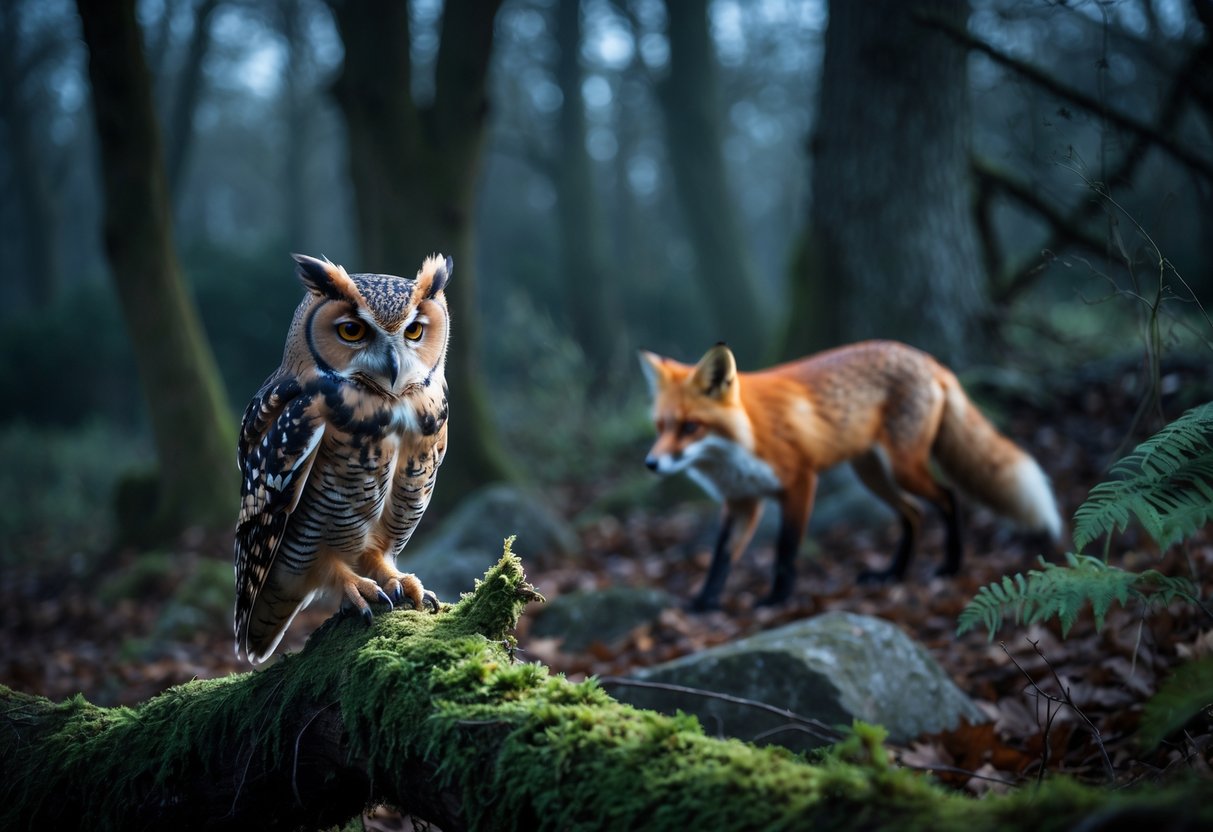
Most people picture owls as hunters, but they’re also prey. Their nests and especially young owlets can be easy targets for some predators.
If you know who hunts owls, you’ll get a better sense of their place in the wild. They’re not invincible, after all.
Learning what threatens these night hunters really shows how tough life can be for them. Even strong animals have to look out for trouble sometimes.
Predators That Hunt Owls in the UK

Plenty of animals and people threaten owls in the UK. These threats come from mammals, birds, and human activities.
If you know which predators go after owls, you’ll understand their daily struggles a bit more.
Mammalian Threats to Owls
Foxes cause a lot of problems for owls, especially barn owls and short-eared owls. They’ll attack if they spot an owl on the ground or near a nest.
Wildcats aren’t as common, but they sometimes target smaller owl species. Squirrels mostly compete for nesting spots, but they rarely hurt owls directly.
Snakes sometimes eat owl eggs or young chicks. So, if you come across an owl nest, keep in mind it might not be as safe as it looks.
Avian Predators and Interactions
Some birds of prey—like buzzards and eagles—hunt owls if they get the chance. These bigger birds can overpower owls in the air or catch them off guard while they’re resting.
Owls also compete with other birds, such as tawny owls, for territory or food. This rivalry causes stress but doesn’t usually lead to outright fights.
Sometimes, owls even eat smaller predators like weasels or small birds. It’s a bit wild—they’re both hunter and hunted in the UK’s skies.
Human-Related Dangers to Owls
Sadly, humans cause more harm to owls than most natural predators. Roads are a big problem, since barn owls often hunt nearby and get hit by cars.
Pesticides and losing habitats make things worse by reducing food and safe places to nest. Barn owls and short-eared owls struggle the most with this.
If you care about owls, you can help by supporting conservation or just driving carefully where they hunt. There’s a good Reddit discussion on owl predators if you want to dive deeper.
Factors Influencing Owl Vulnerability
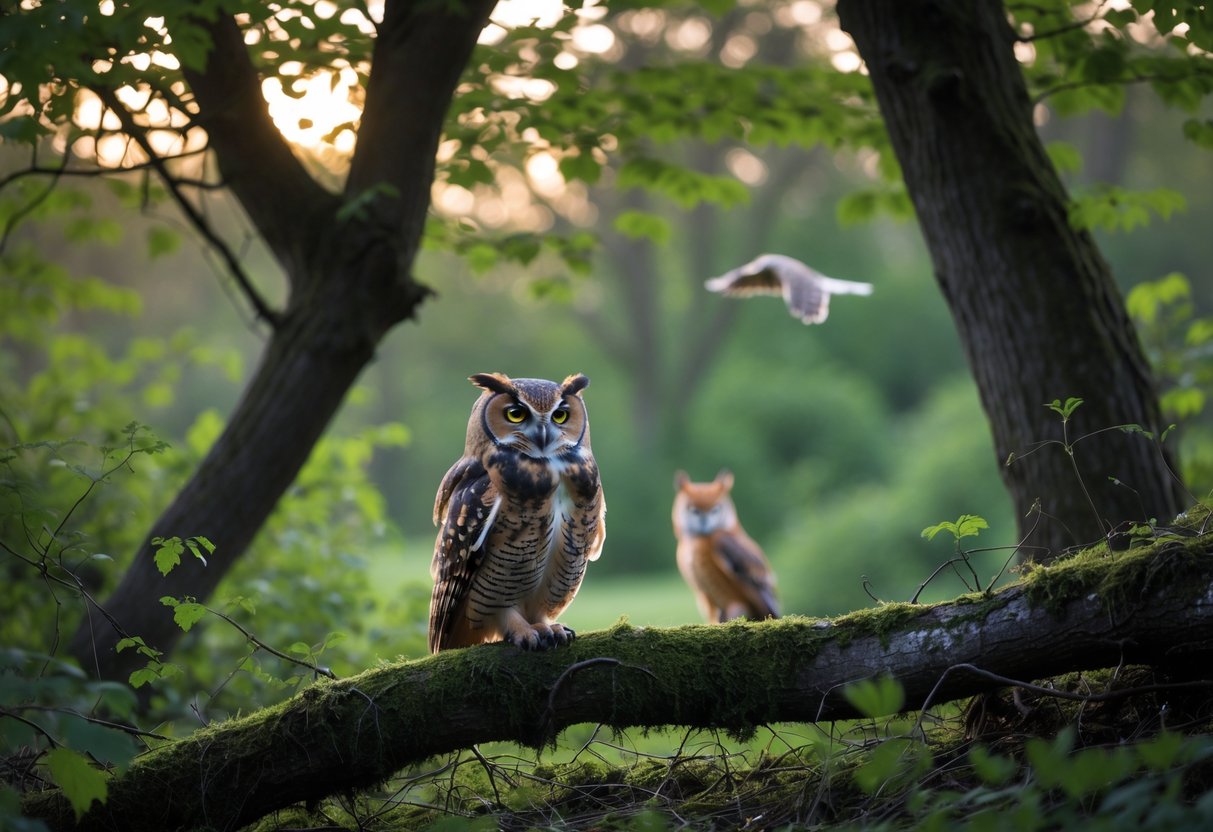
Owls in the UK face risks that shift depending on what they eat, where they live, and the season. These details matter a lot for their safety.
Impact of Prey Availability on Owl Safety
An owl’s safety often depends on how many small mammals—like voles and mice—live nearby. When vole numbers drop, owls have to travel farther and hunt longer, which puts them in danger.
In places like Yorkshire, changes in grassland affect small mammals, and that trickles up to barn owl populations. If food gets scarce, owls take more risks or end up in dangerous spots.
The RSPB points out that fewer prey means more competition, so young or weaker owls get hit the hardest.
Protecting habitats for small mammals helps owls stay safer. It’s simple but important.
Habitat and Regional Risks
Where an owl lives really shapes its risk. Owls in open grasslands are easier for foxes or big birds of prey to spot.
In Britain, we keep losing old buildings and fields, which makes nesting tough—especially for barn owls. If you’re near forests or city edges, owls might run into predators like domestic cats.
In Scandinavian areas, harsh winters add pressure, but UK owls mostly deal with habitat loss and human activity.
Setting up safe nesting boxes high up can help keep owls out of reach from ground predators. It’s a small thing, but it makes a difference.
Seasonal and Migratory Pressures
Owls face different risks as the seasons change. During breeding season, young owlets can’t fly well yet, so snakes or foxes often target them.
Winter makes things even tougher. Food gets scarce, so owls hunt farther from home and end up near roads—sadly, that’s when cars become a real danger.
Some owls pack up and migrate, which means they run into unfamiliar predators and climates. Others stick around Britain all year, and honestly, they depend on you to help keep their habitats safe through every season.


