
Owls really are fascinating, aren’t they? If you’ve ever wondered what they love to do, you’re definitely not alone. Owls love to hunt, tuck themselves away in quiet spots during the day, and even spend time preening or bathing.
These birds are skilled predators. They rely on their sharp senses and super quiet flight to catch small animals—think mice or insects.
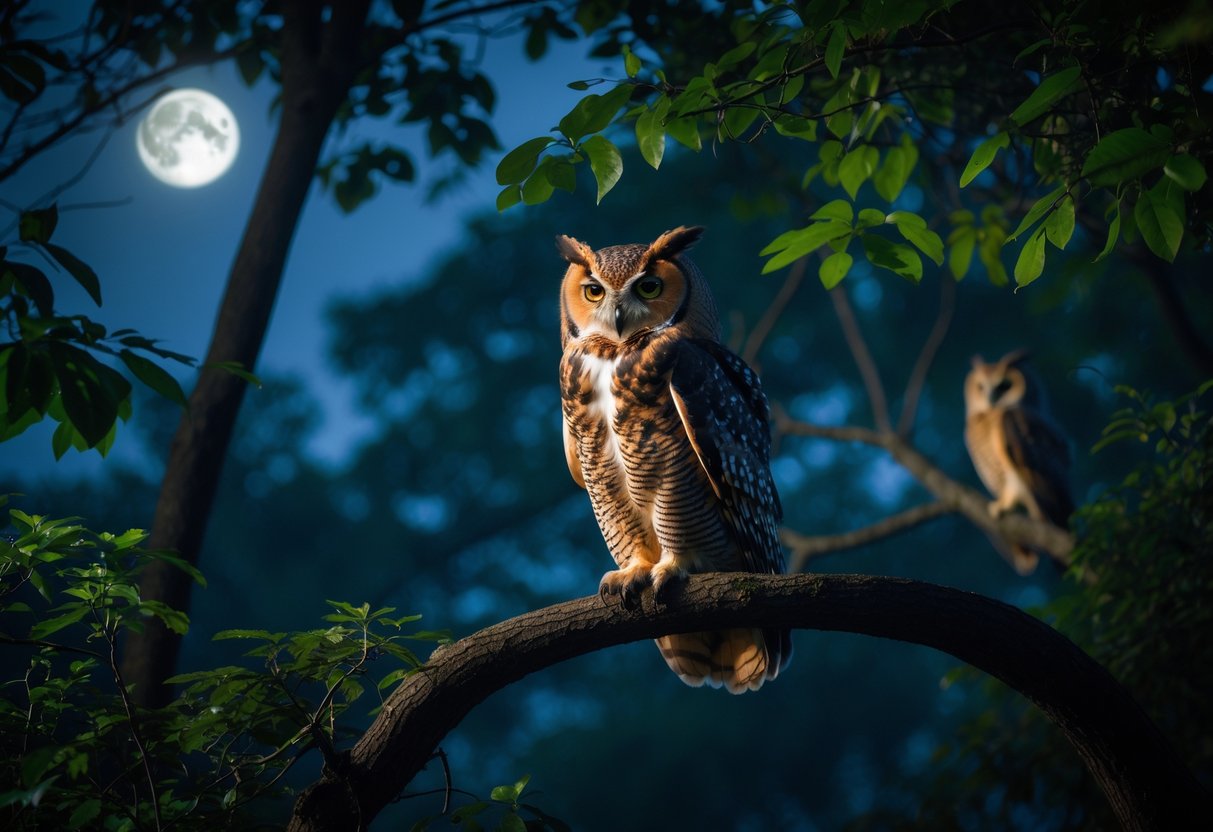
You might not expect it, but owls also like to rest in safe, hidden places—hollow trees, old barns, you name it. Sometimes, they show off social sides: you’ll catch them preening each other or even playing with random objects like balls of fur.
Learning what owls enjoy really helps you appreciate their habits and their quirky, unique lifestyles.
If you’re into bird watching or just a little owl-curious, knowing what these birds love to do gives you a glimpse into their mysterious world. That’s part of what makes them so cool to study.
Favorite Activities of Owls

Owls fill their nights with all sorts of interesting activities to stay healthy and survive. You’ll spot them hunting in the dark, gliding silently, and fussing over their feathers to keep everything in top shape.
Hunting and Feeding
Watch an owl hunt and you’ll see real focus. Owls like barn owls or great horned owls usually eat small animals—mice, rats, even the occasional small bird.
Some, like the barred owl, go after reptiles or insects, too.
Owls do most of their hunting at night. This gives them a better shot at sneaking up on prey that’s not paying attention. Their strong talons and beaks let them grab and eat food fast.
Sometimes, like with snowy owls, you’ll see them hunt during the day if they have to.
When an owl hunts, it’s patient and quiet. They use their amazing hearing and that special heart-shaped face to catch sounds from far away. They notice even tiny movements, so honestly, they rarely miss.
Silent Night Flight
Owls have feathers built for stealth. Those soft feathers with little serrations on the edges break up the air, so when they swoop down, you won’t hear a thing.
Big wings help, too. They glide slowly and smoothly, saving energy and keeping things quiet. Any noise might give them away, so silence is everything.
If you ever get to watch an owl fly, try to listen—you probably won’t hear a sound. Their silent flight is a huge reason they’re such skilled night hunters.
Preening and Caring for Feathers
It might look like owls just nap all day, but they actually spend a good chunk of time taking care of their feathers. Preening means cleaning and straightening feathers with their beak.
Keeping feathers tidy helps with silent flight and staying warm.
Owls have different types of feathers—soft down close to the body, stiffer ones for flight. You’ll see them fussing over every part.
Some even have a third eyelid to protect their eyes while they preen. Feather care keeps them healthy and ready for action.
So, when you think about what owls love, don’t forget how much time they spend keeping their feathers in shape.
Owl Life: Senses, Nesting, and Social Behaviors

Owls really depend on sharp senses to live and hunt. Both parents take care of their babies.
You’ll also hear owls using calls and hoots to stay connected with each other.
Watching With Exceptional Eyesight
Owls have huge eyes that face forward, giving them great depth perception. Their eyes are so big they can’t move them around like we do.
Instead, owls twist their heads—sometimes up to 270 degrees—to look around.
Most owls hunt at night, so their eyes are built for low light. For example, a Great Horned Owl can spot tiny animals moving in the dark.
Their eyes have tons of light-sensitive cells to catch even faint glimmers.
That night vision is a big reason owls are top hunters. You could say their eyesight is made for sneaky, silent hunting.
Caring for Owlets
When baby owls—or owlets—hatch, they’re fluffy with white down and closed eyes. They can’t see or keep warm on their own at first.
Mom keeps them cozy by sitting on them in the nest.
Dad brings food to the nest. Mom tears the prey into small pieces and feeds the owlets.
The little ones compete for food, and the older, stronger ones usually get more.
As the owlets grow, their feathers get darker, and they start opening their eyes after a few days.
The babies stay in or close to the nest for weeks. If you ever get to watch, you’ll see how quickly these little “elves”—like the Elf Owl—grow up with all that care.
Calling and Communicating
Owls make all sorts of sounds to find mates, warn others, or just keep in touch. Each species has its own signature call. The Great Horned Owl lets out a deep, booming hoot. On the other hand, the Northern Saw-whet Owl sings with a high, quick tone.
When mating season rolls around, male owls get busy calling out to attract females. Some will even show off with flights or clap their wings in the air—it’s pretty impressive, honestly. If you listen at dusk, dawn, or in the middle of the night, you might catch these calls floating through the dark.
Owls don’t just call for romance, though. They also make noise to guard their territory. Sometimes, they’ll hiss or spread their wings to scare off intruders. Their calls can travel surprisingly far, so they manage to stay in touch without ever revealing where they’re hiding.


