
Ever spot an owl and wonder if it’s a good or bad sign? You’re definitely not alone. Owls have always felt a bit mysterious, and people have mixed feelings about them in different cultures.
Some folks see owls as wise and protective. Others, though, think they bring bad luck or danger.
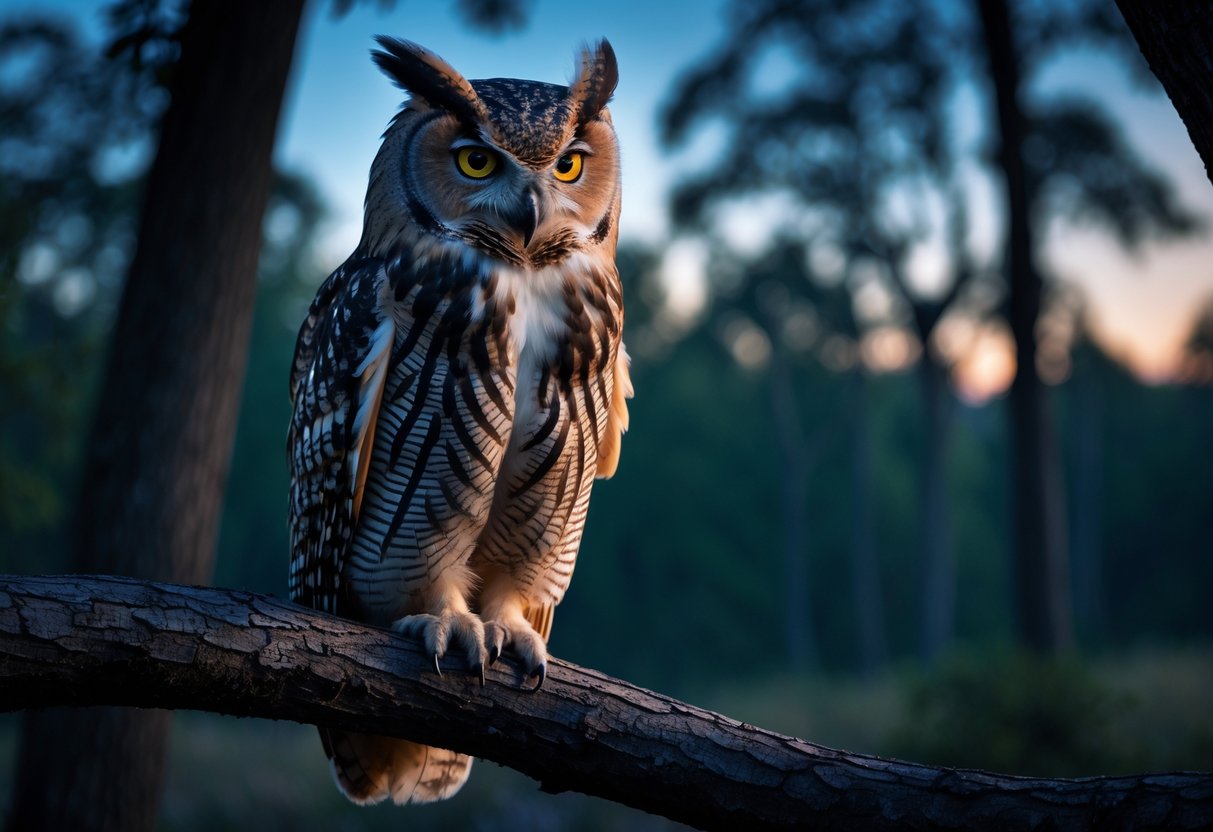
Honestly, seeing an owl isn’t always good or bad—it really depends on your culture or what you believe. Owls are kind of amazing, and since they’re mostly out at night, spotting one might just mean you got lucky and caught a glimpse of a rare bird.
Whether you think owls are a good or bad sign, it’s interesting to learn what they mean to people around the world. Maybe you’ll even start to see them differently.
Is Seeing an Owl a Good or Bad Sign?

Owls mean different things depending on where you’re from and what you believe. Some see them as wise, while others worry they bring bad luck or even death.
Your reaction to seeing an owl might depend on the type you saw, or the stories you grew up with.
Common Interpretations of Owl Sightings
When you spot an owl, it could mean all sorts of things. A lot of people think of wisdom and knowledge—maybe because of those huge eyes and sharp senses.
But there’s another side to it. Owls, like the barred owl, can appear out of nowhere at night. That silence and surprise can make people uneasy, so some see them as a warning or a sign of trouble.
In some places, folks say small owls like screech owls bring luck or tiny gifts. Bigger owls, though, sometimes get tied to heavier, darker events.
Cultural Beliefs and Superstitions
Cultures around the world have strong ideas about owls. In Japan, people consider owls lucky since their name sounds like “luck.” You’ll even find little owl charms in homes for good fortune.
In some parts of Africa, people fear owls and link them to witches or death. For example, in South Africa, if an owl hoots on your roof, it could mean a curse.
Native American tribes have mixed feelings too. Some see owls as protectors, while others think they’re messengers of illness or death.
The Navajo often treat owls as bad omens, but the Hopi see them as good signs.
Symbolism in Spirituality and Religion
Owls pop up in spiritual stories all the time. In ancient Greece, people connected owls to Athena, the goddess of wisdom. Spotting an owl could mean you’re about to learn something important.
In Hinduism, some owls are linked to Lakshmi, the goddess of wealth, but the owl also warns you to be careful with your money.
Owls often stand for transformation and deep insight. Since they see in the dark, people think they can spot truths others miss. That’s probably why so many spiritual paths see owls as guides.
If you want to dive deeper into cultural takes on owls, check out this page on why owls are seen as good or bad luck.
Owl Meanings Through History and Nature
Owls have fascinated people for centuries. Their strange calls and mysterious habits make them hard to ignore.
People have felt both fear and admiration for owls, and their place in stories and nature shows that.
Myths and Folklore About Owls
In lots of cultures, owls carry some heavy symbolism. Some Native American tribes linked owls to death or bad omens, especially if no one answered their hoots.
Other tribes saw owls as protectors or spirits of brave warriors.
Ancient Romans thought owls signaled danger or death. Meanwhile, Ancient Greeks saw them as wise and connected them to Athena.
In some places, people believed owls helped with love or guided souls after death.
These stories show how owls have been seen as mysterious and powerful—sometimes tied to life, death, or knowledge.
You can read more about owl symbolism in ancient cultures here.
Owl Species and Their Unique Traits
Owls come in all shapes and sizes, and each kind has something special.
The snowy owl lives way up north in the Arctic. Its white feathers help it blend right into snowy landscapes.
The burrowing owl is a little guy who actually lives in underground nests. Unlike most owls, it’s active during the day and has long legs for running and hunting on the ground.
Long-eared owls look pretty wild with their tall ear tufts. Their feathers are super soft, so they can fly without making a sound and sneak up on prey.
When you know more about these traits, it’s easier to appreciate just how clever and diverse owls really are.
Owl Behavior and What It Represents
Owls hunt mostly at night. They fly silently because special feathers muffle the sound.
This helps them sneak up on prey without being heard. If you hear an owl hooting during the day, it’s probably a barred owl.
Barred owls sometimes call out in daylight. That’s just normal for them—nothing spooky or ominous about it.
People often see owls as wise. Maybe it’s because they look calm and alert in the dark.
Their sharp eyesight in low light feels almost magical. It connects them to clarity and awareness, especially when things get tough.
Learning about how owls behave can change how you see them. They’re not so spooky—honestly, they’re just fascinating and clever.
If you want to attract owls to your area, check out tips on creating owl-friendly habitats.


