
When you think of owls, maybe you picture mysterious night creatures. But honestly, owls have some wild natural powers that help them hunt and survive.
Their super-sharp eyesight, silent flight, and incredible hearing give them a huge edge in the dark. These skills turn owls into expert hunters that can spot and catch prey even when it’s almost pitch black.
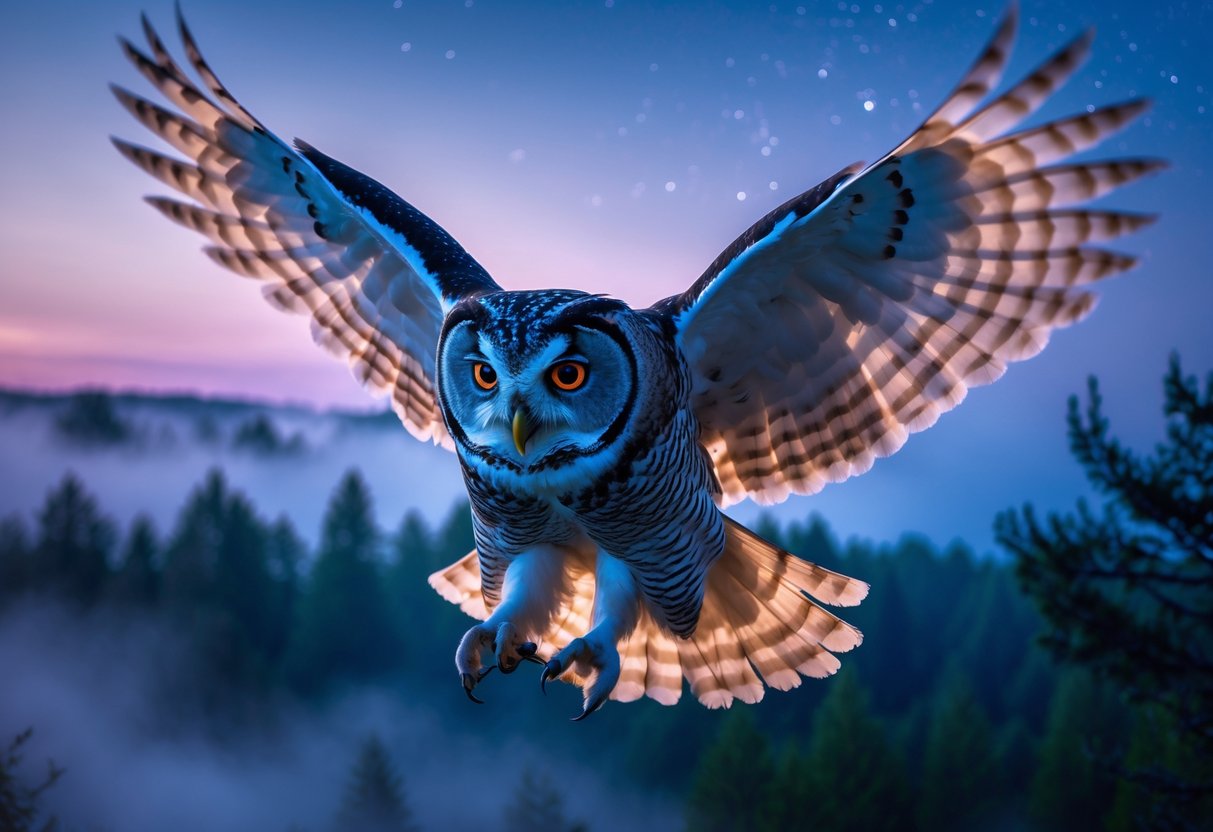
Owls can’t move their eyes, so they twist their heads up to 270 degrees to look around. Their feathers let them fly almost noiselessly, which is perfect for sneaking up on small animals.
Because their ears sit at different heights, they can pinpoint sounds with crazy accuracy. Once you see how owls use all these abilities together, it’s hard not to be amazed by them.
Curious what really sets owls apart? Let’s dig in. You’ll see how those unique features help them rule the night and why these powers matter so much out in the wild.
Extraordinary Powers of Owls
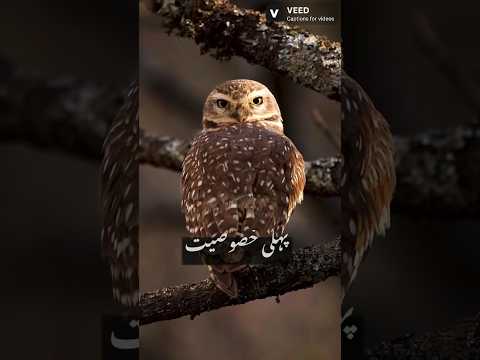
Owls have some pretty special abilities that help them survive in the wild. Their senses work in ways that seem almost unreal, letting them see and hear way better than most animals.
They move silently and turn their heads to suit their needs, which gives them a serious leg up when hunting or dodging danger.
Night Vision and Exceptional Hearing
It’s honestly kind of shocking how well owls see in the dark. Their eyes grab even the tiniest bit of light, so they can spot prey at night.
Owls can detect images about 2.5 times brighter than humans can. Barn owls, in particular, rely on this since they do most of their hunting after sunset.
Their hearing is just as impressive. With ears set at different heights, they figure out exactly where a sound comes from.
This lets them find prey hidden under leaves or even snow. Screech owls use this trick to catch insects and little animals creeping around.
Their hearing is so precise, it works even in total darkness.
Silent Flight and Stealth
Silent flight might be the coolest thing owls do. Their feathers cut down on noise, so they glide through the air without a sound.
If you’ve ever tried to watch an owl, you know how easily they can sneak up without you noticing.
Barn owls totally nail this. They swoop down on prey without making a peep.
This silence is key for catching small mammals like mice. It also lets them listen for the tiniest noises while they’re flying.
Head Rotation and Physical Abilities
Owls can turn their heads up to 270 degrees. That’s wild, right? It’s all thanks to extra neck bones—don’t try it at home!
This trick lets them scan nearly every direction without moving their bodies. Barn owls, screech owls, and others all use this to watch for danger or spot prey while staying still.
Physically, owls have powerful claws for grabbing prey. Their hollow bones make flying lighter and easier.
Their balance, agility, and stamina all work together for hunting at night or surviving in tough places. These features make them some of the most effective predators among birds.
Mythological and Symbolic Powers of Owls

Owls have picked up all sorts of meanings and powers through history. People have seen them as symbols of wisdom, mystery, and sometimes even as warnings.
These ideas come from different cultures and stories that give owls a special spot in our imaginations.
Wisdom in Ancient Greece and Athena
In Ancient Greece, people really connected owls with wisdom. The goddess Athena, who stood for wisdom and war, chose the little owl as her symbol.
Folks believed this owl could see what others couldn’t, especially in darkness.
Athena’s owl brought protection and insight. It even showed up on Athenian coins, which is pretty cool if you ask me.
Before battles, soldiers hoped to spot an owl flying, thinking it meant they’d win.
Owls weren’t just about seeing in the dark—they supposedly helped people understand hidden truths. That’s why owls stuck around as symbols of wisdom and knowledge in Greek mythology.
If you want to read more, check out the Owl of Athena.
Celtic Tradition and Cailleach-oidhche
Owls also show up in Celtic tradition. There’s this ancient figure called Cailleach-oidhche, a powerful goddess of winter and night, who’s sometimes linked to owls and all the mysteries of darkness.
In these stories, the owl isn’t just wise—it connects you to the hidden side of nature and the cycle of life and death.
People thought owls had magical powers because they could see in the dark. That symbolized knowing secrets and moving between worlds.
You might spot owls in old cave paintings or Celtic art, showing their link to the mysterious night and the forces of nature. These traditions cast owls as guides during times of change or endings.
Owl Symbolism in Folklore and Omens
Across so many cultures, owls show up as powerful symbols—sometimes sending messages about the future, sometimes warning us to watch out. In English and Native American folktales, people would hear an owl’s call near someone who was sick and immediately worry that death was close by. That’s probably why folks both feared and respected these birds.
But owls aren’t just about doom and gloom. Some tribes actually saw them as protectors, especially for warriors. Others thought owls helped guide souls after death. Their silent flight and those wild night vision eyes? Makes you wonder if they’re guardians of secrets or maybe keepers of some hidden wisdom.
Here’s a quick way to get a feel for what owls symbolize in different traditions:
| Symbolic Power | Meaning | Example Culture |
|---|---|---|
| Wisdom | Knowledge and insight | Ancient Greece |
| Protection | Guardianship during battles | Native American Tribes |
| Warning and Omens | Signs of death or danger | English Folklore |
| Magical Connection | Link to the spiritual world | Celtic Tradition |
Owls have always had this mysterious vibe, weaving through stories where their powers seem to cross over from the natural world into something magical. If you’re curious, you can dive deeper into owl myths at Owls in Mythology & Culture.


