
Ever wondered what British owls actually hunt and eat? You’re definitely not alone there. These mysterious birds are expert hunters, mostly going after small mammals like field voles, wood mice, and shrews.
British owls depend on these small mammals to survive. You could say they’re the stars of the owls’ nightly menu.
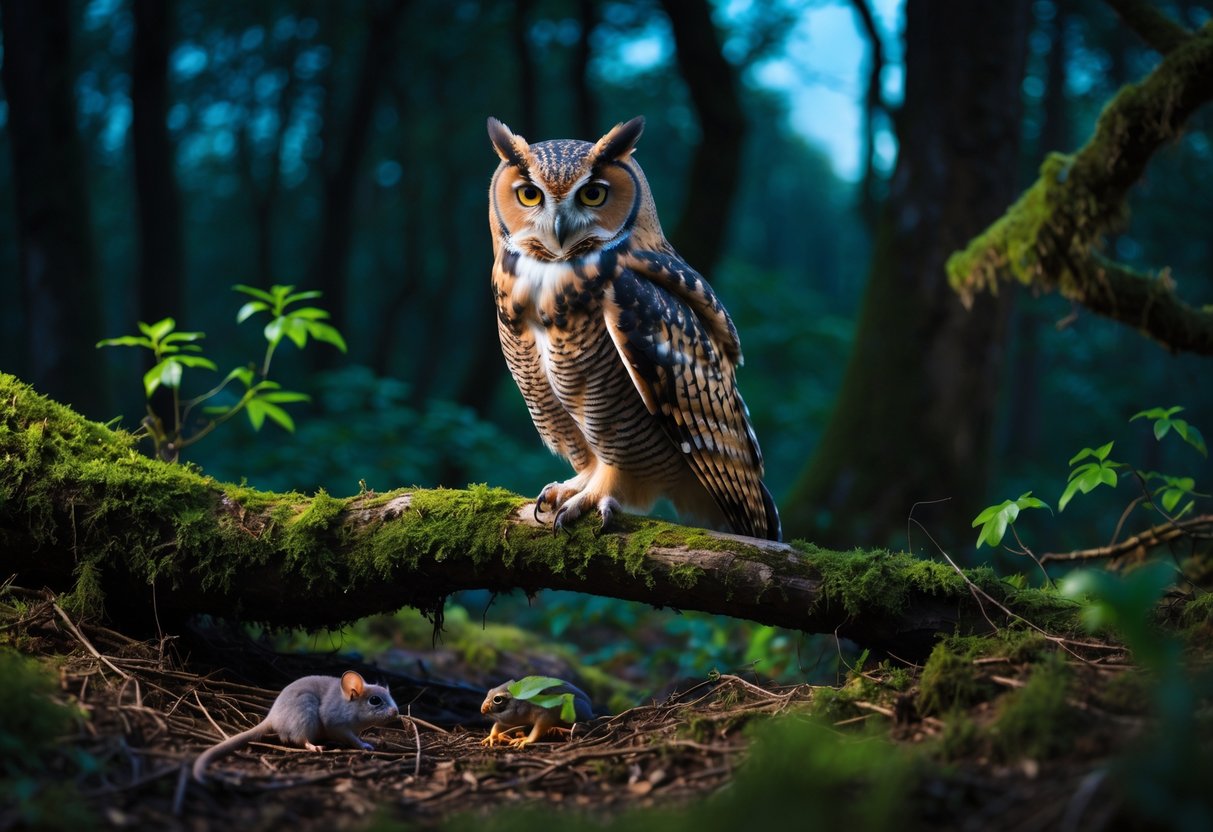
Surprisingly, UK owls rarely eat birds or insects. Their diet really depends on the local habitat and whatever prey happens to be available.
If you know what they eat, you get a better sense of how they fit into their environment.
Maybe you’ve spotted them gliding through the night or just heard their calls. Learning about their favorite food brings you a bit closer to their secretive lives.
Curious about how and why British owls hunt these creatures? Let’s dig in.
Typical Diet of British Owls

British owls mostly eat meat, but the type of meat varies. Many focus on small mammals, but some also pick off insects, birds, or even fish now and then.
The food really depends on the species and what’s around.
Rodents and Small Mammals
Want to know what most British owls eat? Start with rodents and small mammals.
The Barn Owl loves the field vole—it makes up about 45% of what they eat. You’ll also find them hunting common shrews, wood mice, and brown rats.
These small mammals are easy targets for owls at night.
The Great Horned Owl, though not common in the UK, goes after bigger prey like rabbits and squirrels. They use their strong talons to quietly catch and kill their meals.
Barn Owls usually eat three to four of these small mammals each night. That keeps their energy up for hunting and raising their young.
Weather and prey numbers affect how well they hunt, so sometimes they struggle if it’s rainy or snowy.
Insects and Other Invertebrates
It’s easy to think owls only want small mammals, but many also hunt insects and other invertebrates, especially when rodents are scarce.
Some owls eat beetles, moths, and earthworms.
This happens more with smaller owls or those in places where rodents aren’t as common. Insects become a handy backup when other food is hard to find.
Barn Owls don’t usually eat a lot of insects, but they’ll add them to the menu now and then.
If you see an owl near farmland, it might be after both small mammals and insects.
Birds, Amphibians, and Fish
Certain owls in Britain add birds, amphibians, or fish to their diet, but this doesn’t happen often.
Larger owls like the Great Horned Owl might take small game birds or even other owls.
If frogs or newts live nearby, owls might eat them too. For Barn Owls, though, these are rare treats.
Fishing owls don’t really exist in Britain, but if an owl lives close to water, it might catch a fish once in a while.
Owls really show how adaptable they are, changing their diet based on where they live.
You can always find more details about what owls eat at Barn Owl hunting and feeding.
Diet Differences Among Common British Owl Species
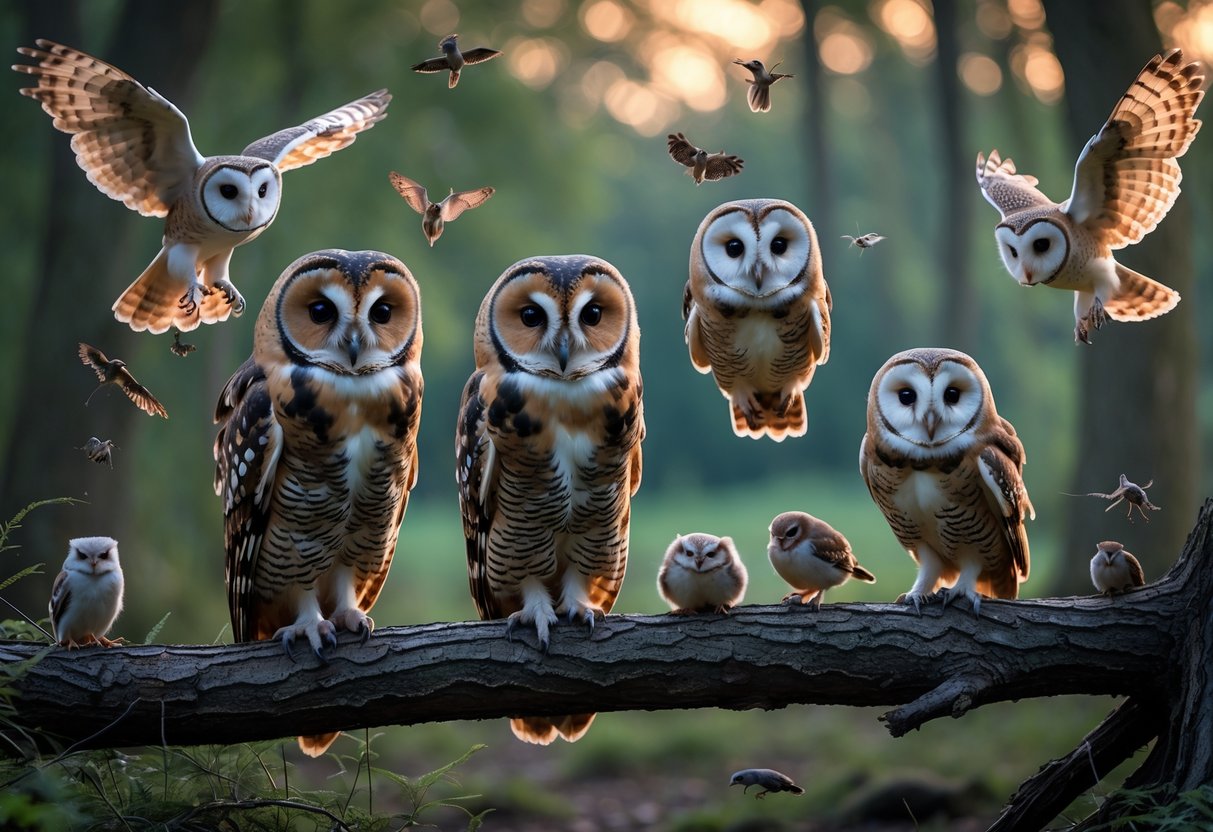
Owls in Britain eat all sorts of prey, but each species has its favorites.
Some stick to small mammals, while others mix in insects, birds, or even reptiles.
Knowing these differences helps you spot their hunting habits and maybe even guess where you’ll see them.
Barn Owl (Tyto alba)
The Barn Owl, sometimes called the white owl or night owl, mainly hunts small mammals.
You’ll mostly see it eating field voles, wood mice, and common shrews. These are the main things on its menu.
Barn Owls hunt silently over grasslands and open fields. They use their incredible hearing to find prey hiding in thick grass.
Sometimes they’ll eat small birds or bats, but that doesn’t happen often.
Barn Owls really focus on rodents, which helps control pests in farms and countryside areas.
Want to know more about their diet and hunting style? Check out British owl species.
Screech Owl and Other Species
Screech Owls and other small owls eat a wider range of food.
Besides small mammals, they’ll often go after insects like beetles, worms, and spiders.
These owls hunt whatever’s around and change their diet with the seasons.
For example, the Little Owl eats more invertebrates in the warmer months, then switches back to rodents in winter.
Sometimes they catch amphibians or small birds too.
This flexible approach helps them survive in lots of different places across Britain.
You can learn more about what they eat at BBC Blogs – Springwatch.
Eurasian Eagle-Owl Prey Preferences
Eurasian Eagle-Owls are massive—honestly, their wingspan can stretch up to 6 feet. That makes them one of the biggest owls you’ll spot in Britain.
Because they’re so large, they go after bigger and more varied prey. You’ll often see them hunting mammals like rabbits or even large rats.
They don’t just stick to mammals, though. Sometimes they’ll grab birds, like ducks or pigeons.
On rare occasions, they might even take on a fox or a young deer. That kind of power? Pretty impressive for an owl.
If you’re curious about the range of animals they hunt, check out Eurasian Eagle-Owl prey.


