
Ever wondered if owls are actually afraid of humans? Well, it’s not a simple yes or no. Owls usually aren’t scared of people, but they’ll get cautious—or even defensive—if they feel threatened. Most of the time, they just avoid us, especially if you wander too close to their nests or young.
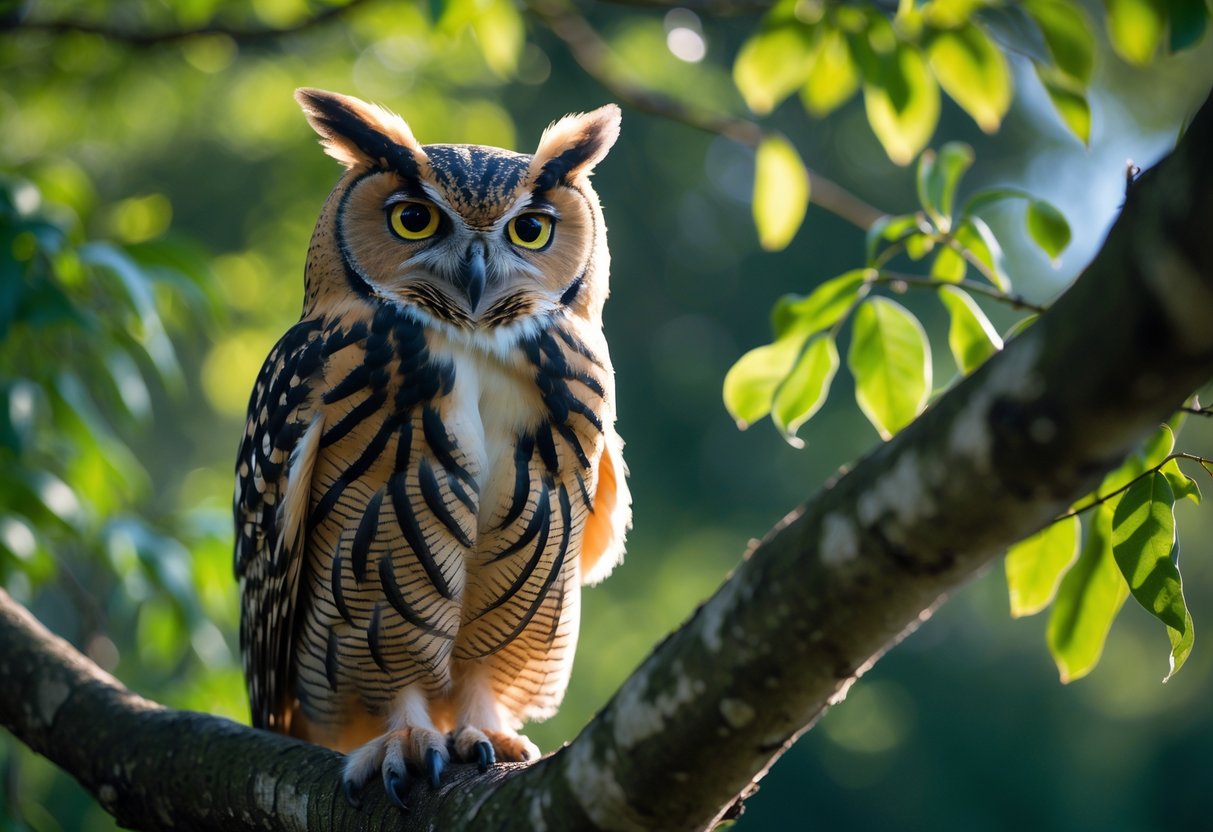
With their sharp senses, owls can spot you from pretty far away. They often just fly off rather than stick around for a confrontation.
If you get near their territory without realizing it, they might act tough or aggressive to protect themselves. Learning how owls react to humans can help you enjoy these fascinating birds without stressing them out.
Are Owls Afraid of Humans?

Owls usually keep their distance when they see people. Their reactions depend on things like the time of year, the owl species, and whether they think their home or chicks are at risk.
Sometimes they fly away quietly. Other times, they might get defensive.
How Owls React to Human Presence
Most owls try to avoid humans. If you walk up, they’ll either fly away or freeze to blend in.
For instance, barred owls tend to fear people and will leave quickly if disturbed. You won’t often see an owl make direct contact unless it feels trapped.
Owls hunt at night, so you’ll probably spot or hear them after dark. But even then, they steer clear of bright lights and loud noises, which spook them.
A great horned owl might just sit still and watch you, sizing you up before deciding what to do. That kind of cautious behavior shows they’re alert, but not exactly terrified.
Aggressive Encounters During Nesting Season
During nesting season, owls get way more protective. If you come too close to their nests or chicks, they might attack to defend their young.
Species like the great horned owl and barred owl do this most often. You’ll sometimes hear loud hoots as a warning before an owl swoops at you to scare you off.
They usually aim for your head and face, using those strong talons. Young owls, after leaving the nest, can act aggressive too since they’re hungry and unsure of things. That makes close encounters more likely during this time.
Human Threats: Habitat Loss, Collisions, and Disturbance
Habitat loss hits owls hard. When people cut down forests or clear fields, owls lose safe places to live and hunt.
This pushes them closer to human areas, which means more run-ins. Car collisions and pets can be dangerous for owls.
Since owls hunt at night and sometimes fly across roads, cars are a real risk. If you want to help, drive carefully in areas where owls live.
Some people keep their yards clear of dense bushes or use bright lights to keep owls from nesting too close. That can cut down on unwanted owl visits.
Other Threats and Fears in Owls’ Lives
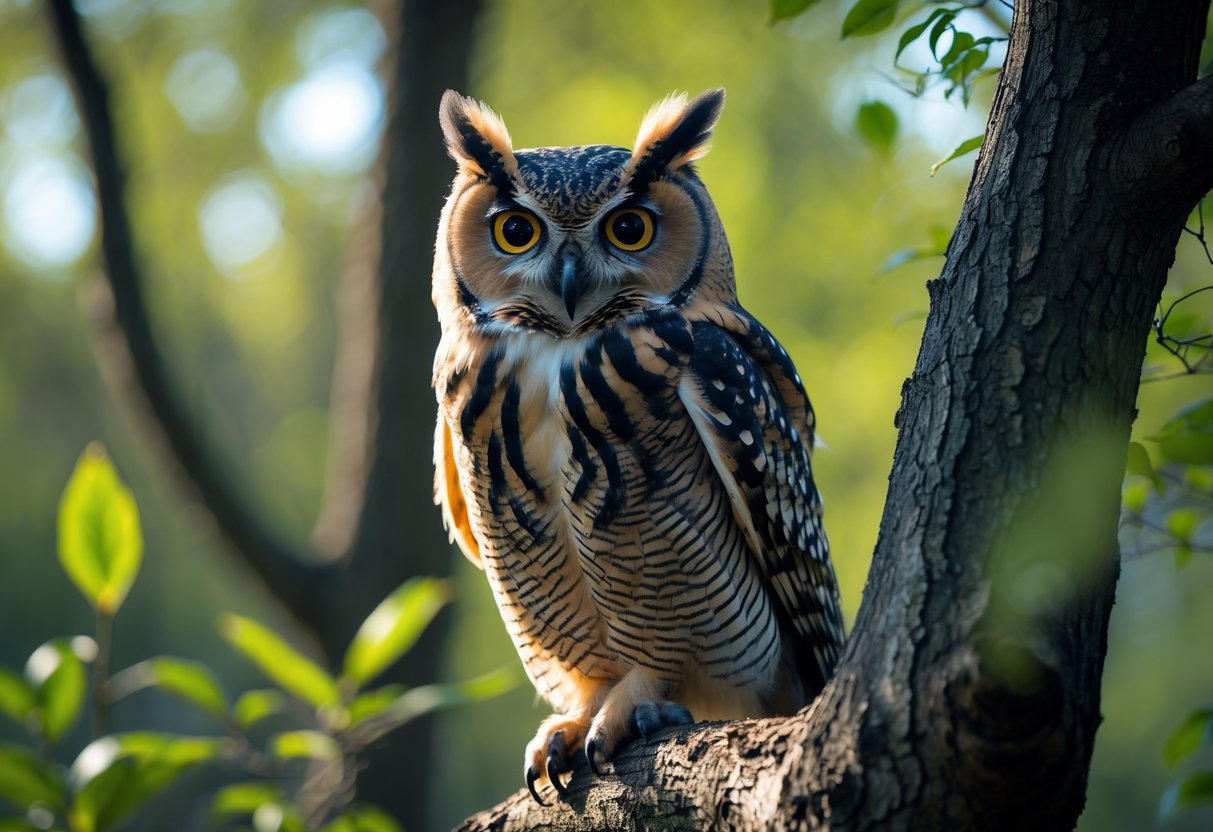
Owls have plenty of other dangers besides humans. They need to watch out for predators, fight for territory, and use their own tricks to stay safe.
Natural Predators: Hawks, Eagles, and Foxes
You might not expect it, but owls don’t always sit at the top of the food chain. Hawks and eagles—like the red-tailed hawk and bald eagle—can be real threats.
Hawks sometimes attack owls during the day, when the owls are resting and vulnerable. Foxes also pose a risk, especially for young owls.
Foxes can climb up to nests and eat eggs or owlets. While they don’t usually go after adult owls, they can really hurt the next generation.
Owls stay alert to these predators to survive.
Owl-on-Owl Rivalries and Territorial Disputes
Sometimes, owls battle each other. Great horned owls have to watch out for barred owls, which are smaller but surprisingly fierce.
Barred owls might fight over food or nesting spots. Bigger owls, like the great gray owl, sometimes challenge great horned owls just because of their size.
When snowy owls migrate south in winter, they might clash with great horned owls over food and space. These fights keep owls on their toes and force them to defend their territory pretty often.
Unique Defenses: Camouflage and Sharp Talons
Owls have some pretty clever ways to keep themselves safe. Their feathers show off colors and patterns that help them blend right into tree bark.
This camouflage really throws off anything that might want to mess with them. Predators just can’t spot them easily—it’s almost like magic sometimes.
If something does get too close, owls don’t just sit there. They’ll strike back with those sharp talons, which can do some serious damage or at least scare off most attackers.
Sometimes, you’ll even hear an owl let out a loud hoot or see it flap its wings like it’s saying, “Back off!” These defenses really help owls hold their own in a world that’s not always so friendly.


