
Owls have captivated people for ages. Mystery and meaning always seem to surround them.
You might ask yourself—does seeing an owl mean good luck, or is it a sign of something bad? The answer’s honestly not that simple. Some cultures see owls as lucky, but others view them in a totally different light.

People in places like Japan and Guatemala treat owls as symbols of good fortune and protection. To them, these birds bring luck.
But in other parts of the world, owls get tangled up with warnings or even death. So what they mean really depends on where you’re from and what you believe.
If you’re curious about how different cultures see owls, you might find some surprises here. Maybe you’ll even start to view these silent night birds a little differently.
Do Owls Symbolize Good Luck?

People around the world see owls in all kinds of ways. Sometimes, they mean good fortune or protection.
But in other places, folks feel unsure. What do owls really mean? Let’s dig into why some cultures call them lucky.
Owls as Symbols of Good Fortune
In Japan, owls pop up everywhere as a sign of luck. The Japanese word for owl, fukurō, actually includes fuku, which means luck.
People carry owl charms for protection. You’ll spot these little talismans in art or even at train stations.
In Guatemala, owls symbolize prosperity. Instead of piggy banks, families use owl-shaped banks to stash their savings.
This makes owls a sign of wealth and abundance in daily life.
Even in the U.S., you’ll notice owls tied to wisdom and success. That “wise old owl” shows up in schools and stories all the time.
So, in plenty of places, owls bring a sense of luck and positivity.
Interpretations of Luck Across Cultures
India’s view on owls is a bit complicated. People connect them to Lakshmi, the goddess of wealth, but they also serve as a warning not to get greedy.
Basically, owls remind you to be careful with luck and money.
Native American tribes hold all sorts of beliefs about owls. Some see them as protectors or healers.
Others, though, believe owls signal danger. For example, the Hopi treat owls as good news, but the Navajo might see them as a sign of death.
Your culture and personal beliefs really shape what owls mean for you.
Myths and Misconceptions About Owl Symbolism
A lot of people think owls bring bad luck just because they’re mysterious and active at night. In places like South Africa, folks link owls to witch doctors or curses.
That’s given owls a spooky reputation.
But owls actually help by controlling pests like mice and rats. They’re good for the environment.
Some cultures even split owls into “good” and “bad” types, judging by their size. It’s kind of strange, isn’t it?
Most stories about owls come from old fears or misunderstandings. If you know this, you might see them in a more balanced way—as real animals doing their job, not just symbols of luck or doom.
Want to know more? Check out owls as luck symbols in Japan and Guatemala.
Symbolic Meanings of Owls Around the World
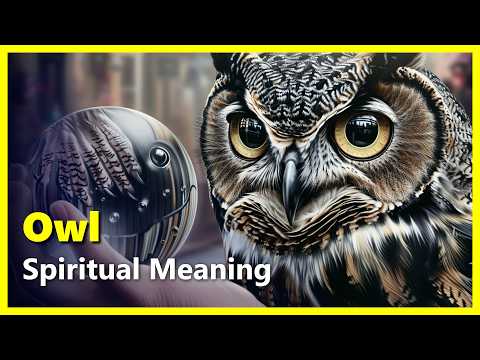
People all over the world give owls special meanings. Some see them as lucky or protective, while others connect them to spiritual power.
You’ll find owls tied to good fortune and strength in a lot of places.
Owls in Japanese Culture: Luck and Protection
In Japan, folks love using owls as good luck charms. The word for owl, fukurou, sounds almost like the word for luck, fuku.
That’s why owls have become a symbol of good fortune. People carry owl charms to keep away suffering and tough times.
You’ll spot these charms at train stations, markets, and just about everywhere.
Crafters make owls from silk, wood, or fabric, thinking each one brings positive energy. It’s partly a play on words, but people take it seriously.
If you’re looking for a simple way to invite luck, maybe try an owl charm. You can see lots of cool examples in Japanese culture.
Hawaiian Beliefs: Pueo and Spiritual Mana
In Hawaii, locals call the native owl the pueo. Folks really respect this bird and treat it as a guardian spirit.
Many believe the pueo carries mana, or spiritual power. That gives the owl a reputation for protection and wisdom.
You’ll come across stories where the pueo suddenly shows up during big moments or gives warnings about danger. When someone spots a pueo, they often take it as a hint that their own spiritual strength might be growing.
Unlike owls in some other cultures, the pueo usually brings positive energy and gets a lot of respect.
If you’re curious about Hawaiian ideas of spiritual power and protection, start with the pueo. It’s a good example of how owls can mean more than just luck—sometimes, they stand for something much deeper.


