
When you picture an owl’s call, you probably imagine a simple “hoot.” But honestly, owls have a whole range of sounds—shrieks, hisses, barks, and even odd chattering. Owls don’t just say “hoo”; their calls really depend on the species and what’s going on around them.
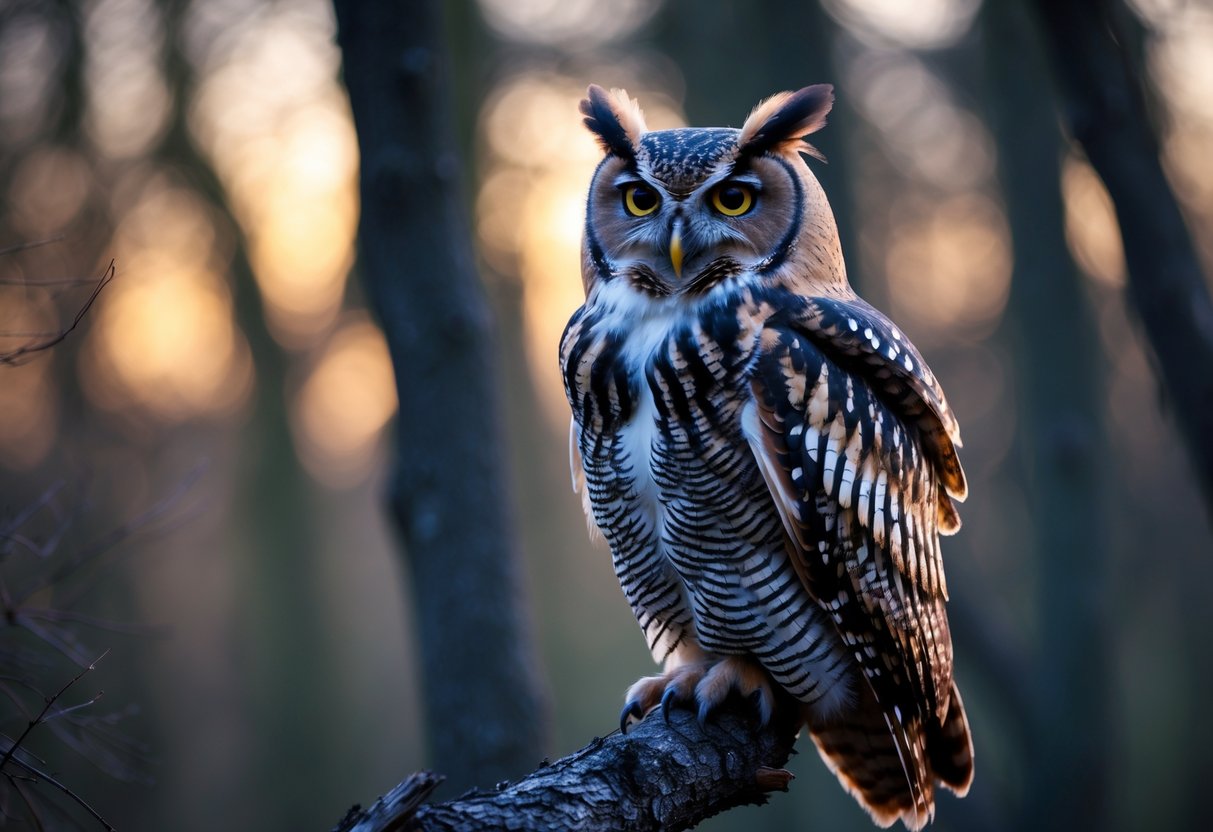
Maybe you’ll hear a Great Horned Owl with its deep, steady hoot. Or a Barn Owl might let out a sharp, creepy scream that makes the hair on your neck stand up.
Some owls even sound like they’re saying words—like the barred owl’s “who-cooks-for-you” call. If you listen carefully, you can usually figure out which owl is nearby and maybe even guess what it wants.
The Main Noises Owls Make

Owls use different sounds to talk to each other and show how they feel. Some calls warn others to back off, while others help them find a mate or care for their chicks.
You’ll hear hoots, screeches, whistles, and sometimes even barks or clicks. It all depends on the species and what’s happening.
Hoots and Their Meanings
When people think of owls, they usually think of hooting. Many owls hoot to claim their territory or talk to other owls nearby.
For example, the Great Horned Owl lets out a deep, steady hoot that goes “hoo-h’HOO-hoo.” This call tells others where it lives.
Some owls go for faster or softer hoots. Western Screech Owls send out a series of quick hoots that speed up. Snowy Owls hoot too, but their calls drag out a bit longer and slower.
Hoots can be friendly, especially between mates or family. It’s a little like their way of saying hello.
Screeches, Screaming, and Whistles
Screeches sound way sharper and louder than hoots. Barn Owls are famous for their long, ghostly screeches that almost sound like a person screaming.
They use these calls to scare off predators or warn when they’re upset. Screech Owls, as their name suggests, make high-pitched whistles that can sound like a short, sharp “screech” or sometimes a gentle trill.
These whistles help them keep in touch with their families at night. Some owls will scream or use harsh calls to show anger or protect their nests.
You’ll hear those rougher sounds most during breeding season or if something gets too close.
Other Calls: Barks, Growls, and Bill Clicking
Some owls actually bark—pretty wild, right? Barking Owls make loud “woof-woof” sounds, usually as a warning or to talk to their mates.
If an owl feels threatened, it might growl or hiss. Burrowing Owls can hiss like a snake to scare off anything near their burrows.
Owls also make a sharp snapping noise with their beaks, called bill clicking. They do this when they’re annoyed or protecting their young.
Sometimes, both males and females click together if they’re frustrated.
All these different sounds help owls survive and connect with their world. If you listen closely, you’ll start to recognize a few.
For more on owl sounds, check out Learn 10 Common Owl Calls.
Different Noises by Owl Species
Owls make all sorts of noises that can help you figure out which one you’re hearing. Some hoot, some whistle, and others make calls that can be downright spooky.
Their voices can show if they’re happy, annoyed, or warning about danger.
Great Horned Owl Vocalizations
Great horned owls are known for their deep, powerful hoots. You’ll often hear a series of low hoots, kind of like “hoo-hoo hoo hoo.”
They use this call to claim their territory or attract a mate. Besides hooting, great horned owls also growl, scream, and whistle.
Their big ear tufts make them easy to spot, but honestly, it’s their calls that give them away at night. Sometimes, you’ll catch a sharp bark or a trill if they’re courting or feel threatened.
Barred Owl Calls and Duets
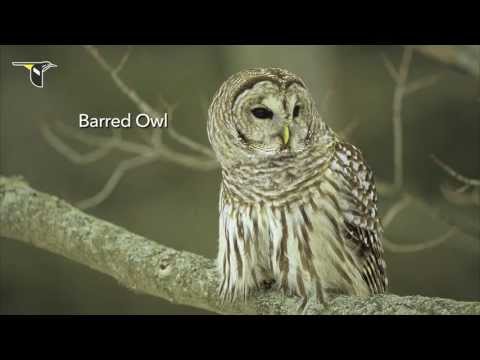
Barred owls have a call that stands out. People say it sounds like, “Who cooks for you? Who cooks for you-all?”—and once you hear it, you won’t forget it.
This call usually has 8 or 9 notes and carries really well through the woods. Barred owls also like to do duets, calling back and forth with each other.
Their voices can sound like wild caterwauling or even monkeys, depending on your ear. You won’t hear the classic hoot as much from barred owls.
Their calls jump from hoots to whistles and sometimes even cough-like noises.
Eastern Screech Owl and Other Common Species
Eastern screech owls are small but have a pretty unique sound. People describe it as a descending whinny or a soft trill, kind of like a horse but much higher.
Otus asio—that’s the fancy name for this owl—also chirps and trills for different reasons, like warning calls or chatting with a mate.
Barn owls break the mold. Instead of hooting, they let out a long, eerie shriek that can last a few seconds.
They use this scream to warn others or scare off threats.
Owlet Sounds and Communication
Young owlets use high-pitched peeps and begging calls. You might notice these sounds when babies are nearby.
They’ll often whistle softly or chirp to catch their parents’ attention, usually when they’re hungry. As owlets get older, their calls turn louder and a bit more varied.
If you listen closely, you can pick up on how owls start learning to communicate from a really young age. They lean on their parents for food and protection, and their voices reflect that.


