
Having owls around your house can actually be a good thing. Owls hunt mice and rodents, so they help keep your yard naturally pest-free.
Their presence shows your outdoor space is healthy enough to support wildlife. That’s usually a good sign for your environment.
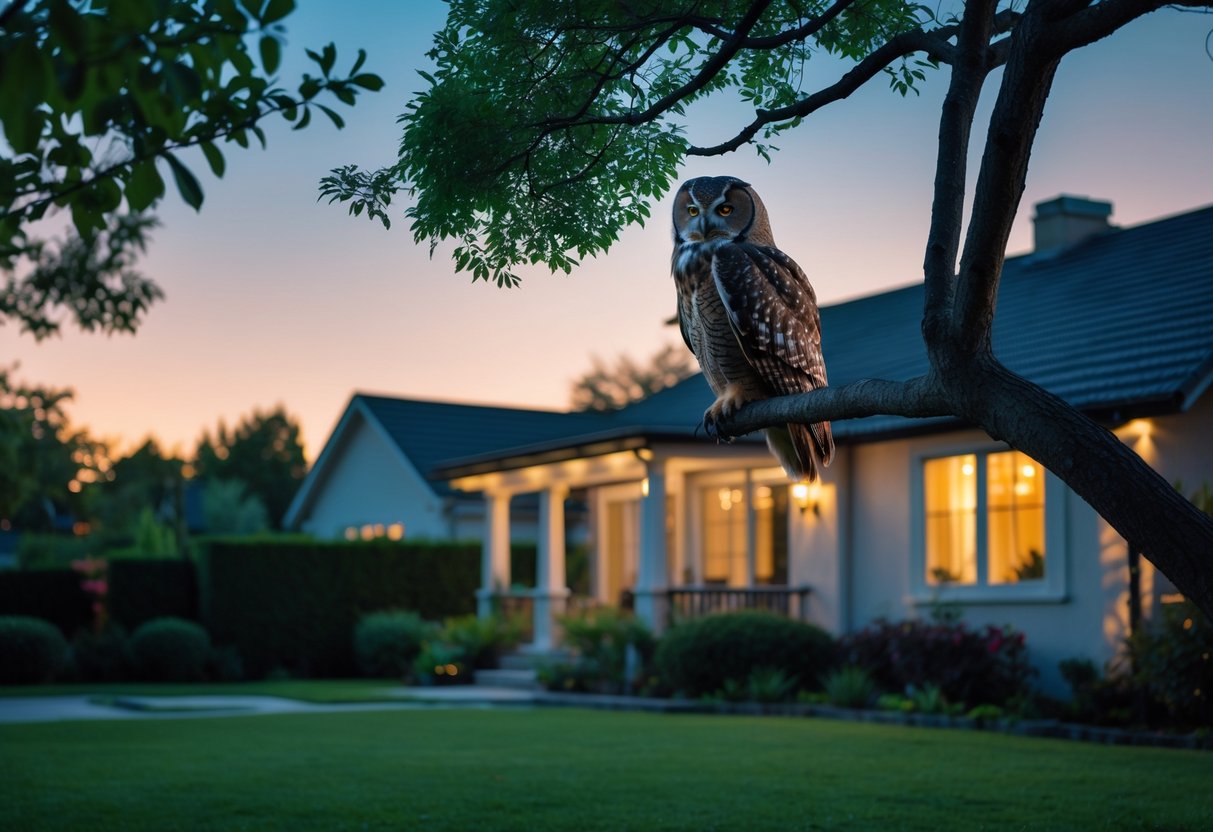
Many cultures see owls as symbols of wisdom and guidance. If you spot one near your home, it might feel like a special message—or maybe just a cool reminder to pay attention to your surroundings.
Watching these quiet, nighttime hunters can be a surprisingly fun way to connect with nature.
You might wonder if owls could cause problems or bring bad luck. Some traditions have mixed feelings about them, but most experts say owls do more good than harm.
If you want to encourage owls safely, you can make your yard more welcoming for them.
Key Benefits and Drawbacks of Having Owls Near Your Home

When owls live nearby, they can shape your yard and neighborhood in a few ways. They help control pests and add to the wildlife you see, but sometimes they might affect your pets—or just get misunderstood.
Natural Pest Control and Rodent Management
Owls hunt rodents like mice, rats, voles, and chipmunks. A Great Horned Owl might eat several rodents in one night.
This helps keep pests from damaging your garden or sneaking into your home.
You can attract owls by creating safe spots like brush piles or putting up nest boxes for smaller species, such as barn owls or Western screech owls. When owls hunt, they keep rodent populations in check, so you won’t have to use harmful poisons.
Be careful with rodenticides, though. If an owl eats a poisoned rodent, it can get sick or die.
Keeping your area chemical-free protects these helpful birds.
Biodiversity and Enjoyment for Birdwatchers
Owls add variety to the local wildlife. Species like horned owls and great horned owls bring a unique charm to your yard.
Their calls and night activity make your property feel a bit wilder and more interesting.
Watching owls can turn into a favorite hobby if you keep your yard welcoming. Preserve trees and try to maintain quiet, dark spaces.
Some owls are cavity nesters and might use nest boxes, which encourages them to stick around.
You can use binoculars or cameras to observe them without getting too close. Spotting these birds teaches you more about local ecosystems and makes your outdoor time richer.
Potential Risks to Pets and Other Wildlife
Owls are wild and pretty skilled hunters. While they mostly go after rodents, some—like Great Horned Owls—might see small pets like cats or tiny dogs as prey.
It’s a good idea to keep small pets indoors at night just to be safe.
Owls might disturb smaller native wildlife, which could shift the natural balance in your yard. If they feel threatened or have a nest nearby, they might get a bit defensive.
Give them their space, especially during nesting season.
Understanding these risks helps you look out for your pets and the owls themselves.
Addressing Common Owl Myths and Misconceptions
People sometimes say owls bring bad luck or have magical powers, but these are just old stories. Owls are birds doing their job in nature.
Some folks worry that owls are dangerous to people, but honestly, owls avoid humans and don’t attack unless you bother them.
They’re much more likely to help by eating pests.
It’s best to respect owls as wild animals. Keep your distance, skip the flash photography, and don’t bait them.
Learning about their real habits helps you appreciate these nighttime hunters without any unnecessary worry.
If you want tips on attracting owls ethically, you might check out the Owl Research Institute.
How to Attract and Support Owls Safely

You can make your property inviting for owls by offering safe places for them to live and hunt. Providing good habitat, installing nest boxes the right way, and protecting owls from harm all help keep them around.
Creating Owl-Friendly Habitat and Nesting Sites
Try keeping native plants, trees, and brush piles in your yard. Owls like screech owls need dense spots for small animals to hide, since that’s their food.
Leaving parts of your yard a bit wild encourages mice, voles, and other prey to stick around.
Big, old trees with hollows or dead limbs make great natural nests. If you don’t have those, planting native evergreens like pines or junipers can offer shelter.
Avoid bright lights in these areas, since owls hunt at night and lights can scare them off.
Installing and Maintaining Nest Boxes
Put nest boxes at least 10 feet off the ground to keep owls safe from predators like raccoons. Use sturdy, weatherproof materials and make the box about a foot tall.
Add wood shavings halfway up, since owls don’t build their own nests.
Hang the box in a quiet, wooded spot—not in the open. Check it now and then to keep it clean and free from pests or invasive birds like starlings.
Don’t place multiple boxes too close together; owls like having their own space.
Best Practices to Protect Owls and Other Wildlife
Try to keep poisons, pesticides, and rat poison out of your yard. Owls can get seriously hurt if they eat rodents that have been exposed to these chemicals.
Skip playing recorded owl calls outside. That kind of noise just confuses owls and even other birds.
Take down any garden netting you’re not using. Owls sometimes get tangled up in it, and honestly, nobody wants that.
Bring small pets indoors at night. Hungry owls might see them as a snack if you leave them out.
Cut back on outdoor lighting where you can. Owls hunt best in the dark, so too much light can really throw them off.
If you want more advice on helping owls thrive, check out this guide on building an owl habitat. There are also some handy tips on how to attract owls.


