
Ever tried to spot an owl? It’s surprisingly tough, isn’t it? Owls mostly come alive at night, and their camouflage during the day is so good, you’ll probably walk right by without even noticing.
They fly quietly and usually just sit still, which makes them even harder to find. Most of the time, both their prey and people miss them completely.
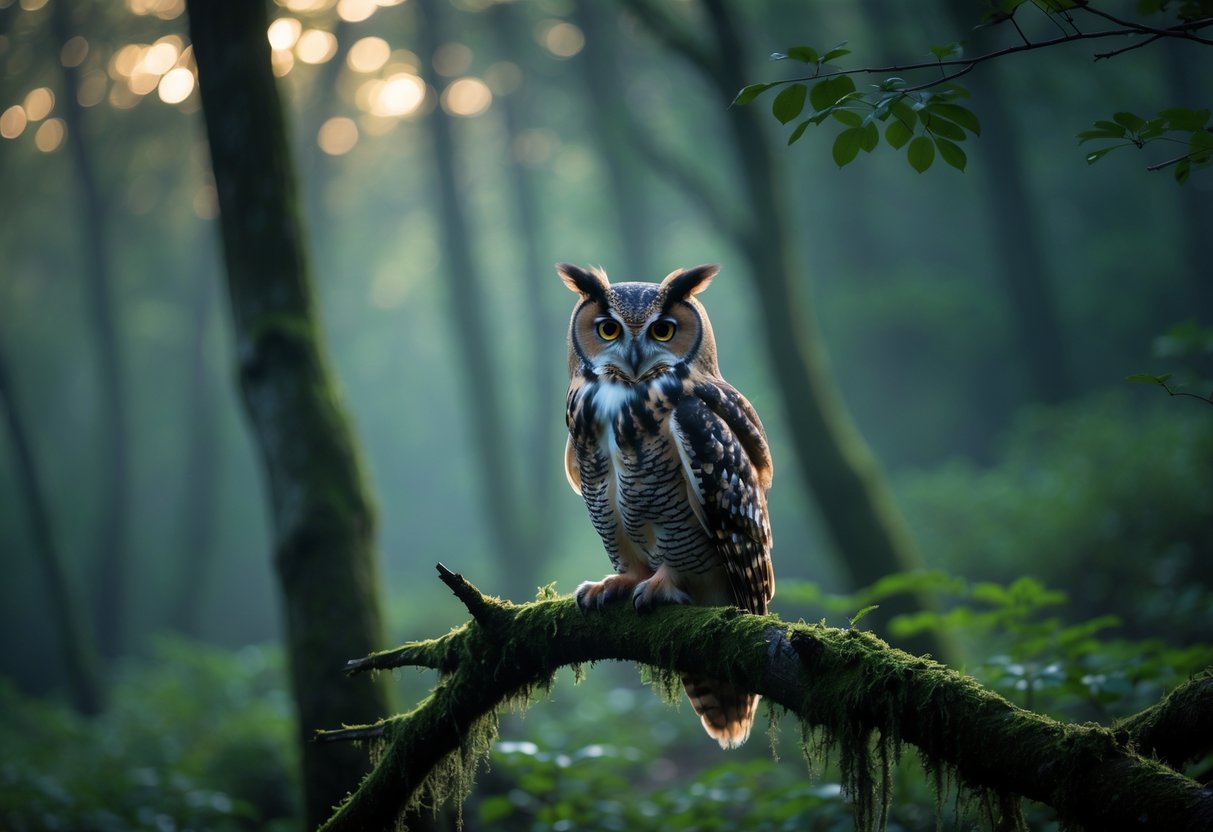
Sometimes you might catch an owl out during the day. Why? Well, maybe it needs food or it’s busy taking care of its young. Knowing these little quirks makes seeing one feel extra special.
Owls have some wild features—like feathers that hush their flight and oddly-placed ears that catch the tiniest sounds at night. These tricks, plus their love for the dark, are why daytime owl sightings feel almost magical.
Curious about what makes owls tick? There’s more to uncover.
Why Are Owls So Rarely Seen?
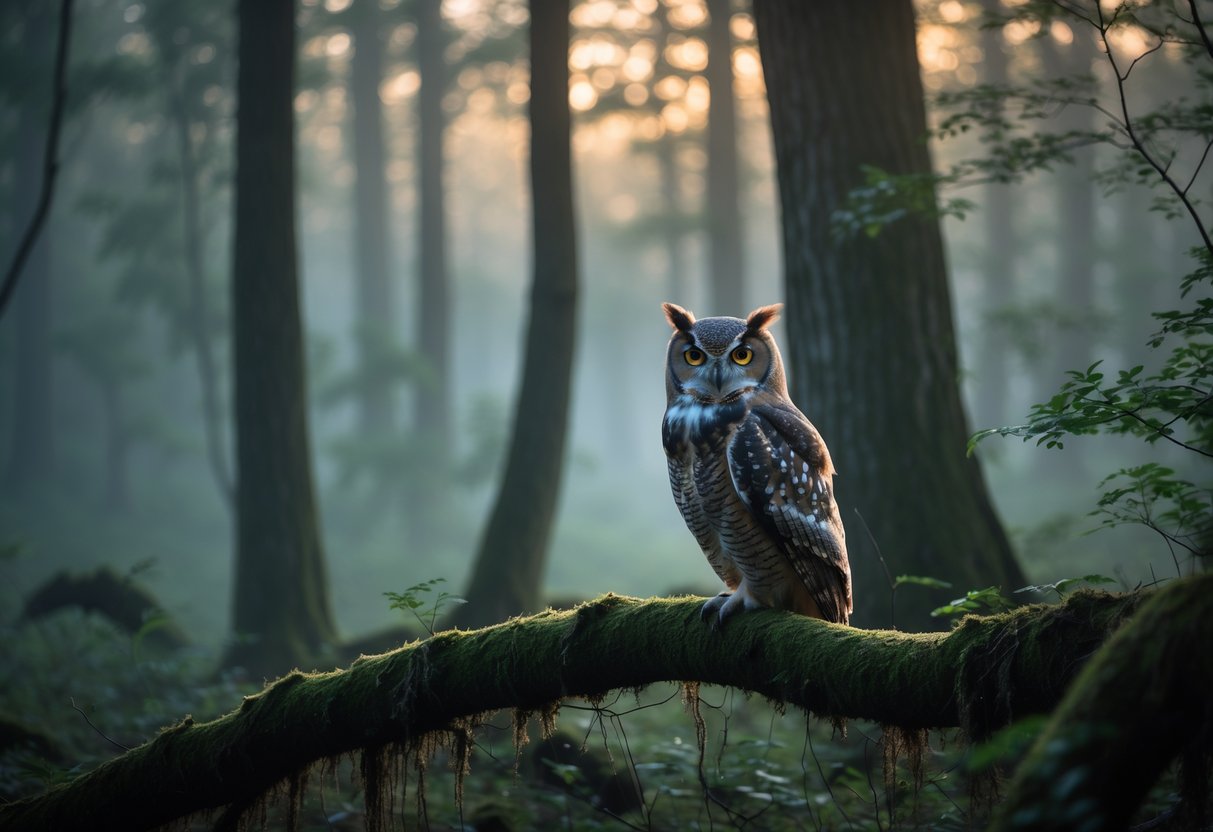
Owls keep to themselves and have some sneaky skills for hiding. You probably miss them because they’re active when most of us aren’t looking, and they blend in so well with their surroundings.
Most of the time, you’ll find them alone, tucked away in their own little patch of the world.
Nocturnal Nature and Camouflage
Owls do most of their hunting and exploring at night. During the day, they rest and try not to draw attention.
Their feathers often look just like tree bark or leaves. So, even if you’re close, you might not spot them.
Most folks see wildlife during daylight, which means owls hide in plain sight. They pick places that keep them safe from both animals and people.
Silent Flight and Hunting Behaviors
When owls go hunting, they need to be sneaky. Their wings have soft-edged feathers that let them glide without a sound.
This silence lets them surprise prey like mice or small birds. You won’t hear a thing, and they’re gone before you know it.
Owls usually hunt alone. So, you won’t see a bunch of them swooping through the night sky together.
Solitary and Territorial Habits
Most owls like having their own space. They pick a territory and defend it from others.
You rarely see owls flying in pairs or groups—they’re just not that social. If you spot one, it’s probably hanging out solo.
Owls avoid busy spots where people or animals pass by a lot. So, if you want to see one, you’ve got to be patient and find a quiet place.
Want some tips? This owl observation guide is pretty handy.
Factors Influencing Owl Sightings
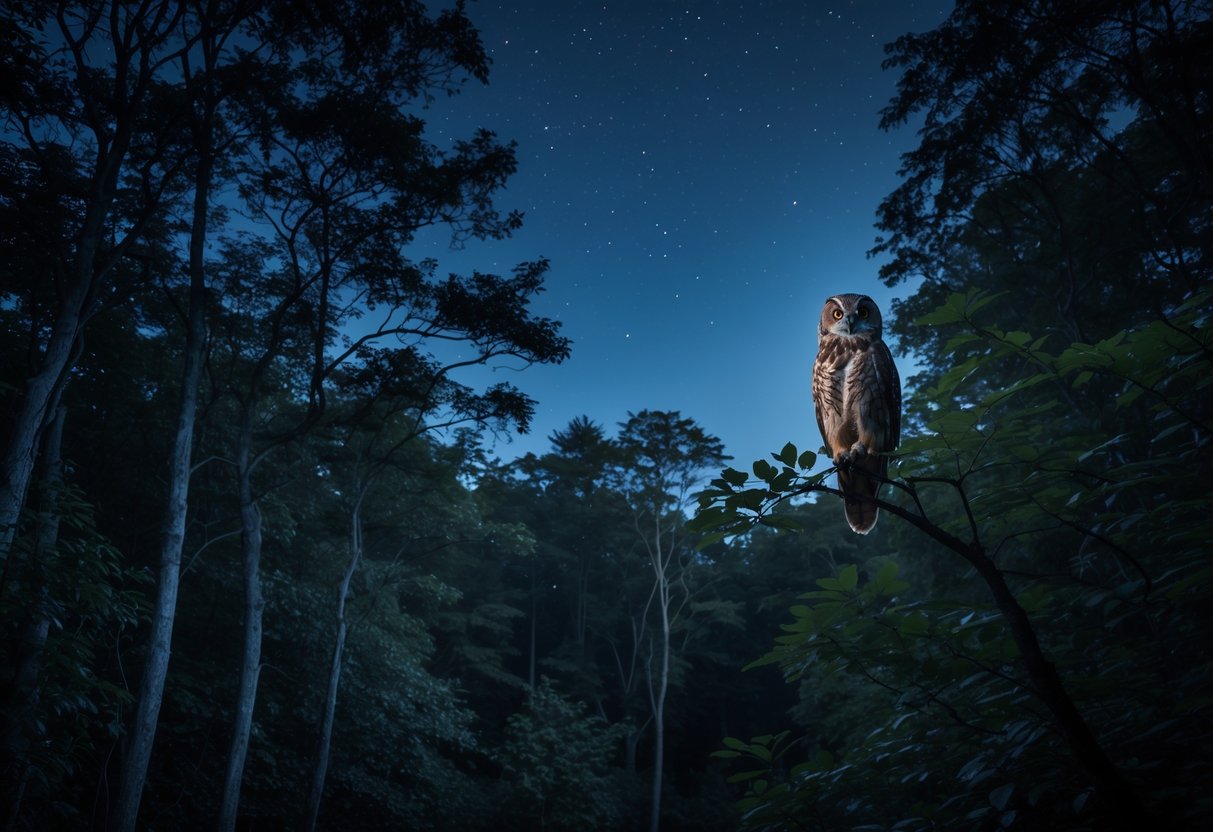
Spotting an owl isn’t just about luck. Their habits, movements, and even how many are around all play a part.
Some owls stick to certain places, travel when the seasons change, or are just plain rare. That’s why seeing one feels like a treat.
Habitat Preferences of Different Owl Species
Owls pick homes where they can hide and hunt easily. Take the Northern Spotted Owl—they stick to dense, old forests with lots of layers and hiding spots.
Barred Owls go for mixed woods, especially near water. If you’re near a swamp or river, you might get lucky.
Western Screech-Owls show up in open forests and sometimes even in neighborhoods with lots of trees.
If you’re not in the right spot, you probably won’t see them. Their quiet nature and camo feathers help them stay invisible.
Impact of Seasonal Movements and Migration
Some owls move around depending on food and weather. This is called migration or irruption.
For example, Saw-whet Owls might head south if their usual prey gets scarce. In winter, you might notice more owls in your area because food is tougher to find elsewhere.
They also hunt mostly right after sunset or just before sunrise. If you want a chance at seeing one, try those times.
Population Rarity and Conservation Concerns
Some owl species are rare or protected because their numbers have dropped. The Northern Spotted Owl faces threats from habitat loss, and Barred Owls have moved into parts of its range, making things even tougher.
When owl numbers get low, finding one turns into a real challenge. Conservation groups work to protect habitats and cut down on threats, but honestly, progress can feel slow.
If you don’t spot many owls, that’s probably because some species just don’t gather in big groups, or they’re struggling to survive. Every sighting feels pretty special, doesn’t it?
You can read more about what affects owl detection and how species differ at the U.S. Fish and Wildlife Service.


