So, you want to know if you can keep an owl as a pet in the UK? Well, it’s not a straightforward yes or no. You can, but you’ll have to follow some pretty strict rules and get the proper licenses. Owls aren’t like cats or dogs—they have wild instincts and unique needs. The law really tries to make sure people treat them right.
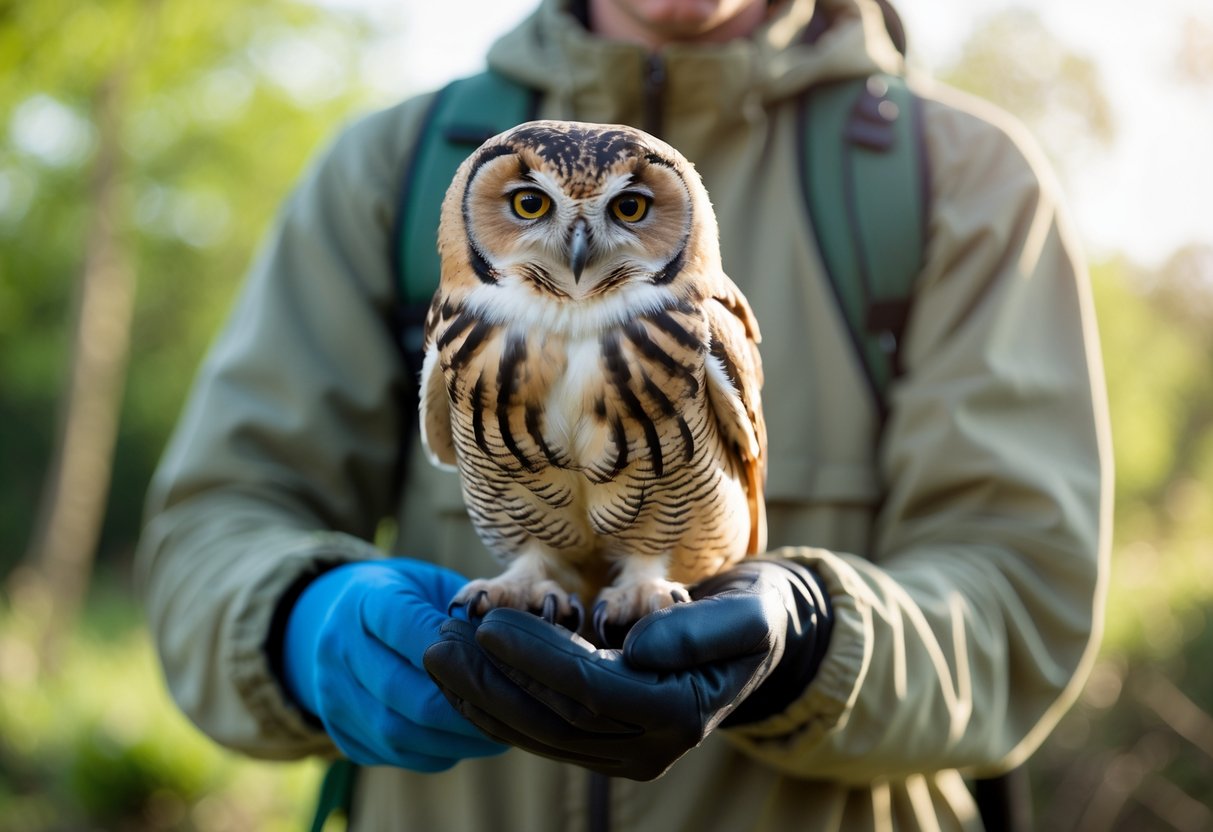
Owls need someone with experience, plenty of space to fly, and a diet that matches what they’d eat in the wild. They’re a huge responsibility, not your average pet. Most pet owls come from captive breeding, and owning a wild-caught owl without permission breaks the law.
Before you get too excited, you need to know the legal process and what it really takes to care for an owl. These rules exist to protect both you and the bird. If you’re still curious about what’s involved, let’s dig in.
Can We Pet Owls in the UK? Laws and Licensing
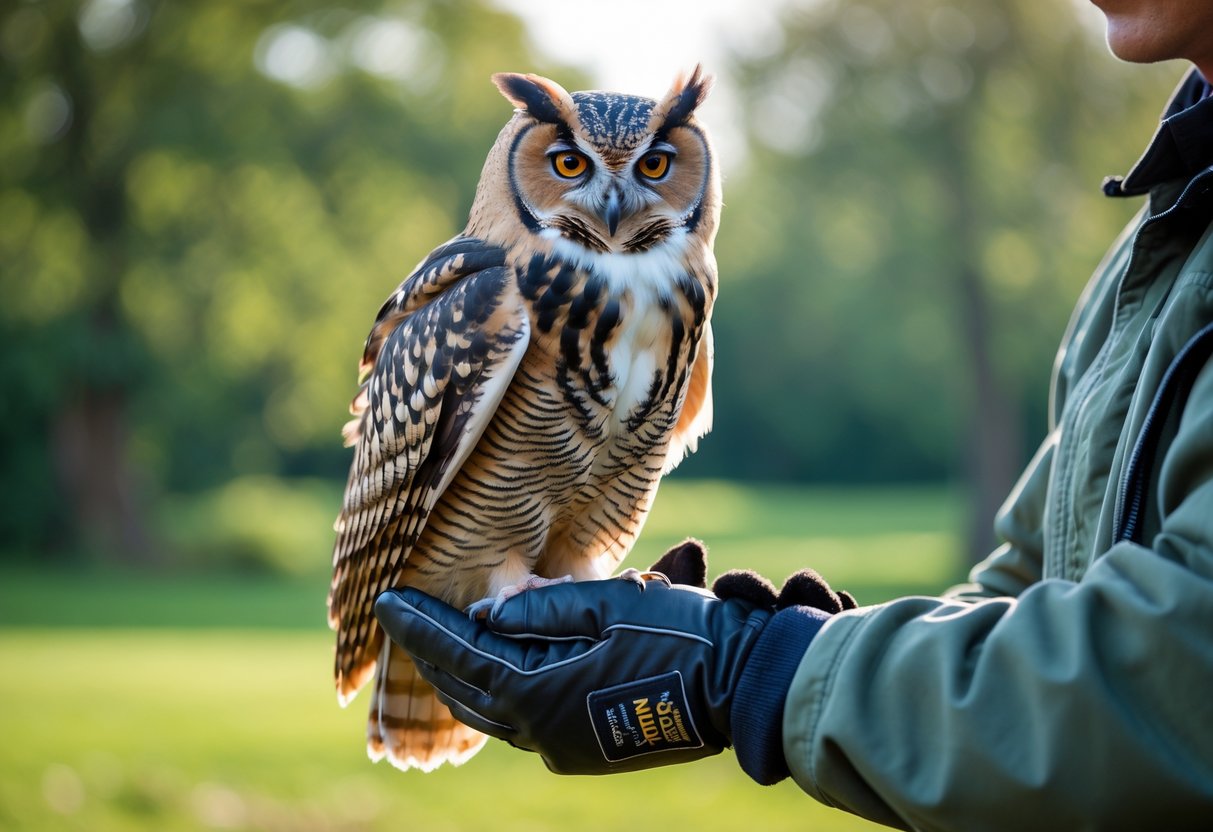
UK law keeps tight control over owning owls as pets. You’ll have to know which owls and birds of prey you’re allowed to keep, what licenses you’ll need, and how to register your bird. These steps help protect wildlife and make sure the birds get proper care.
Legal Status of Owls as Pets
The Wildlife and Countryside Act 1981 protects wild birds in the UK, including snowy owls and eagle owls. You can’t keep most owls as pets unless they’re bred in captivity. If someone takes an owl from the wild, that’s illegal unless they have special permits.
If you try to keep an owl without the right license, you could face a big fine. Some owls are on Schedule 9, so letting them escape or releasing them is an offence. You’ll need to make sure your owl stays secure at all times.
Want to know more? Government advice covers the details about keeping wild birds and animals.
Regulations for Keeping Birds of Prey
Defra (Department for Environment, Food & Rural Affairs) and local falconry clubs set the rules for birds of prey like owls, goshawks, and peregrines. If you want to keep one, you’ll need to follow these regulations.
You’ll have to provide good housing, vet care, and have some training in handling raptors. Some birds, like golden eagles and white-tailed eagles, come with even tougher rules because the EC Habitats Directive protects them.
Legal owners need to get their birds from captive breeding, and if you want to release a captive-bred bird, there are strict laws about that too. It’s illegal to release birds like barn owls and eagle owls without permission.
Registration and Certification Requirements
If you want to own a bird of prey or owl, you’ll usually need a licence. You have to show that your bird came from a legal source or was bred in captivity. It’s important to keep records like vet certificates or receipts.
Some species, like merlins or peregrine falcons, are listed on Schedule 4 of the Wildlife and Countryside Act and need to be registered. Registration lets authorities keep track of their welfare.
Falconry clubs can help you with legal requirements and licence applications. You might need to prove you have the right training and facilities to meet animal welfare standards.
If you want the official process, the Animal and Plant Health Agency and Defra have all the steps laid out.
Essential Care and Responsible Owl Ownership
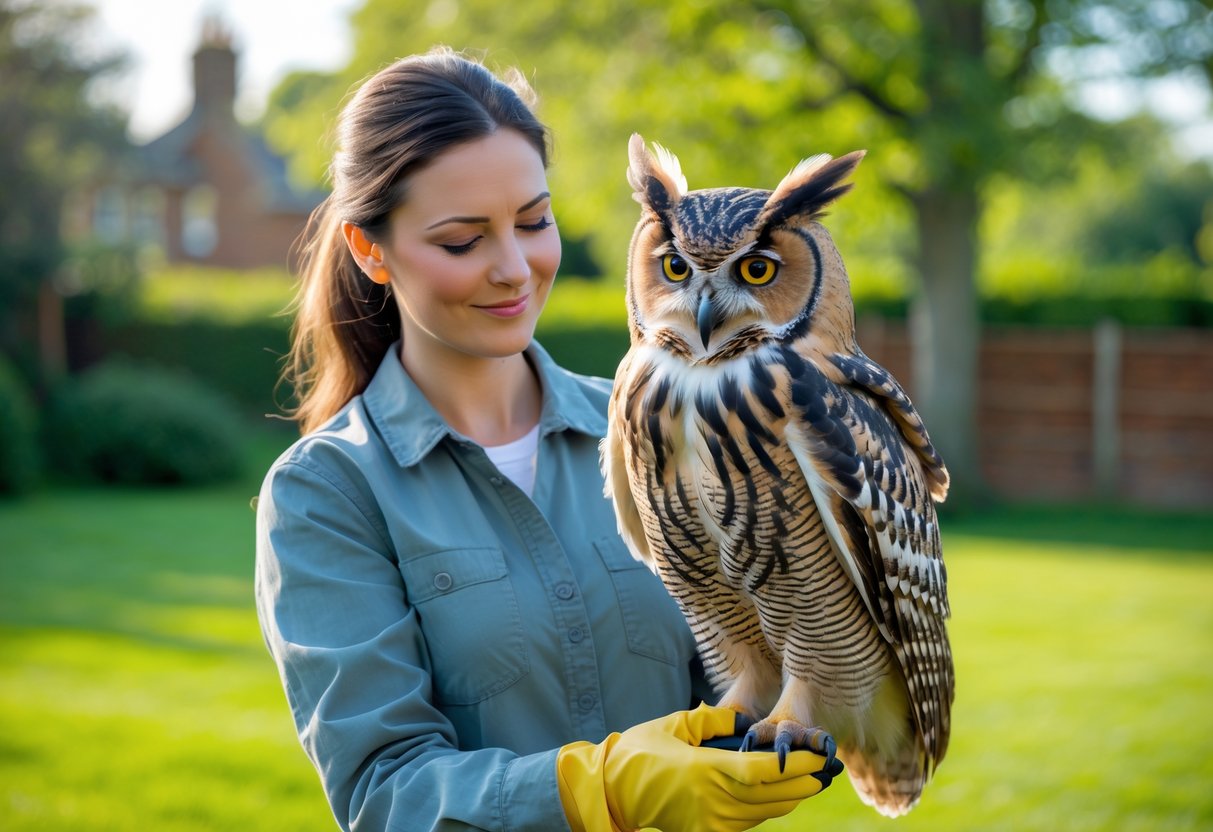
Owls aren’t your average pets—they’re wild birds of prey and need special care. You’ll have to think about housing, food, and keeping both you and the owl safe. It takes real dedication and know-how.
Ethical Acquisition and Sourcing
Only buy an owl that’s legally captive-bred. The law protects wild owls, so taking them from their natural habitat is off-limits. Licensed breeders or rescue groups are your best bet for a healthy, well-cared-for bird.
Don’t get owls from dodgy sources like car boot sales or random ads. Birds from those places might be in poor health or just not suited for life in captivity. Licensed breeders usually give you documentation and a bird with a proper history.
If you’re interested in falconry, joining a local falconry club is a good idea. These clubs offer advice and can help you meet the legal requirements for birds like eagle owls or barn owls.
Housing and Enclosure Needs
Your owl will need a big, secure aviary with enough room to stretch its wings and fly. A small cage just won’t cut it and honestly, it’s bad for their health.
Build the enclosure with strong materials to keep out predators and stop escapes. Give the owl shelter from the weather and set up natural perches.
Make sure the space has good ventilation and is easy to clean—owls can be messy and their enclosures can start to smell. If your owl isn’t used to the cold, you may need to provide heating during winter.
Daily Care and Welfare Considerations
Owls mostly eat whole prey—think mice or insects. Processed food or bread? Definitely skip those.
Every day, you’ll need to clean out the enclosure and swap in fresh water. Keep an eye on your owl’s health, too.
It’s smart to schedule regular vet visits with someone who knows raptors. That way, you’ll spot any health problems early.
Handling an owl isn’t easy, honestly. Their talons and beaks are no joke.
Even folks with years of experience sometimes get hurt. Always keep kids at a distance, and don’t forget sturdy gloves and the right gear when you’re handling them.


