
Spotting an owl feels mysterious, right? You might catch yourself wondering if it means bad luck.
Honestly, whether an owl signals bad luck or not really depends on what you believe or what you grew up hearing. Most of the time, though, owls aren’t a sign of bad luck at all.
People often think of them as powerful creatures—symbols of wisdom, protection, and sometimes, even good change.
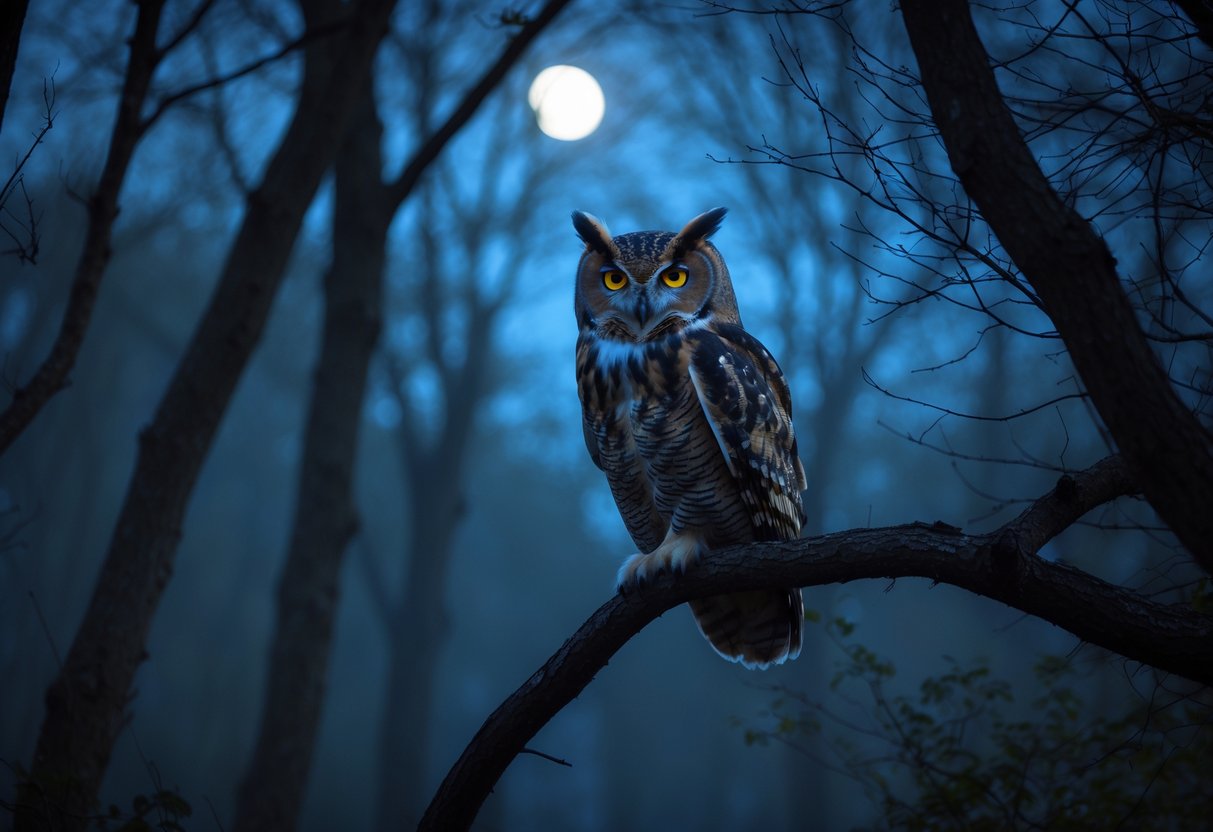
Some traditions treat owls as warnings or connect them to the supernatural, especially if you see one during the day.
But in plenty of other cultures, people say owls bring good fortune or insight.
Learning about these different meanings might help you figure out what an owl sighting means for you.
Is Seeing Owls a Bad Omen?

Seeing an owl can hit you differently depending on where you live or what you believe.
Some folks think owls warn of bad luck or even death, while others see them as wise or lucky.
The type of owl you see might even change the meaning.
Common Superstitions and Beliefs
People often fear owls because of old stories that link them to death or misfortune.
For example, many believe the barred owl and horned owl bring bad news.
In places like parts of Africa and the Ozark Mountains, an owl’s hoot can sound like a warning of sickness or trouble.
Screech owls sometimes get lumped in, but in some areas, they don’t seem as scary.
Some say hearing an owl hoot three times is especially unlucky.
Others claim that if an owl enters your home, it brings a curse.
These ideas might feel real, even if they’re just old traditions.
Positive Meanings and Interpretations
Not every owl sighting is a bad thing.
In the U.S., people often see the barred owl as a symbol of wisdom and learning.
Owls have a reputation for guiding people through darkness.
In Japan, owls are considered lucky since their word for “owl” sounds like “luck” and “without hardship.”
Screech owls, being smaller and less intimidating, sometimes show up as bringers of gifts or good luck.
Lots of cultures think of owls as protectors or symbols of spiritual growth, helping you see things that are hidden.
Cultural Variations in Symbolism
Your view of owls might shift depending on your background.
In South Africa and Kenya, people often see owls as signs of witches or curses.
But in Guatemala, owls stand for wealth and abundance.
In North America, the Navajo connect owls to death, while the Hopi treat them as positive signs.
Ancient Greeks linked owls to Athena, the goddess of wisdom, which feels more respectful than fearful.
The horned owl, with its dramatic look, often appears in stories as a mystic or protector.
If you notice these differences, you might start to see owls as more than just good or bad omens.
For more on how owls differ in meaning, check out Owls: Are They Good or Bad Luck?.
Owl Symbolism in Spirituality and Religion
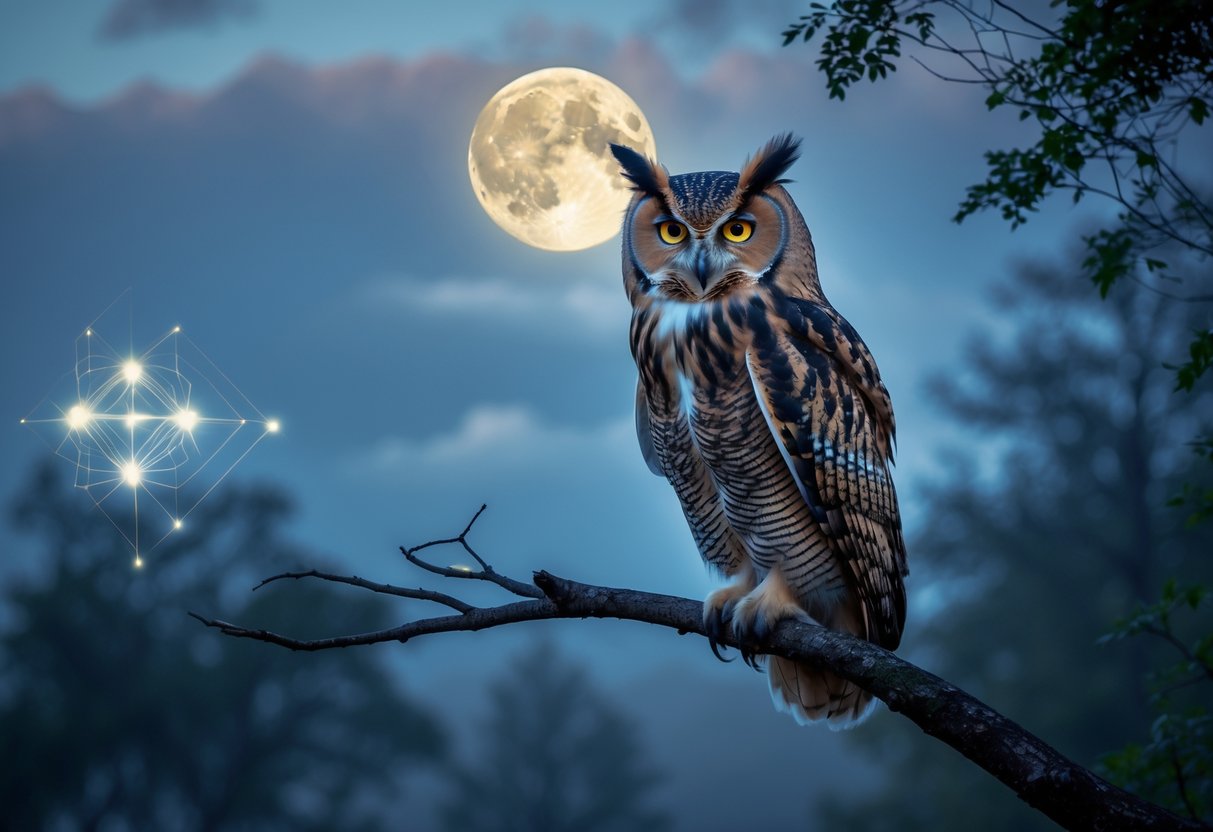
Owls carry a bunch of spiritual meanings, and it really depends on the culture or belief system you look at.
They might represent wisdom and protection, or sometimes fear and bad luck.
How you see an owl’s presence usually comes down to where you’re from and what traditions you follow.
Owl Meanings in the Bible
The Bible often uses owls as symbols of desolation and loneliness.
You’ll read about owls living in ruined cities or empty places.
This connects them with places people have abandoned.
The horned owl and screech owl don’t get named directly, but owls in general can stand for darkness, night, or evil forces.
Still, the Bible doesn’t always paint owls as totally negative.
Some stories show them as watchful creatures during the night.
If you spot an owl in this context, it might remind you of quiet reflection or lonely times that are just part of a bigger plan.
Spiritual Significance Across Cultures
Depending on where you are, owls can mean very different things.
In many Native American cultures, people link owls to death or bad omens.
Some tribes believe that hearing a screech owl at night warns of trouble or illness.
But in Hinduism, owls are positive symbols.
The owl connects to Maa Lakshmi, the goddess of wealth and wisdom.
Here, owls stand for intelligence and good luck.
African cultures often see owls as bad signs, sometimes tied to witches or illness.
But in some Western stories, owls get a wise and protective role, often helping heroes or sages.
Owls as Messengers or Guides
Some folks talk about owls as spirit guides in different spiritual traditions. The horned owl, with its sharp eyesight and silent wings, stands for hidden knowledge and seeing what’s out of reach for most people.
People sometimes say owls bring messages from the spirit world. They might show up when you’re searching for guidance or when life’s about to change.
If you spot an owl and feel calm or maybe just curious, maybe that’s a sign of wisdom coming your way. On the other hand, if you get a little uneasy, maybe it’s time to pay closer attention to what’s happening around you—or inside you.
Owls can act as protectors or messengers, nudging you to connect with what’s usually hidden from view.
For more about owl symbolism, check out the symbolic meaning of owls in prophecies and omens.


