
Ever wondered if owls are mean in a spiritual sense? The truth is, it’s not really that complicated. Owls aren’t mean spirits—they usually stand for wisdom, protection, and guidance in the spiritual world. If you spot one, it’s often a nudge to trust your gut or look for deeper meaning.
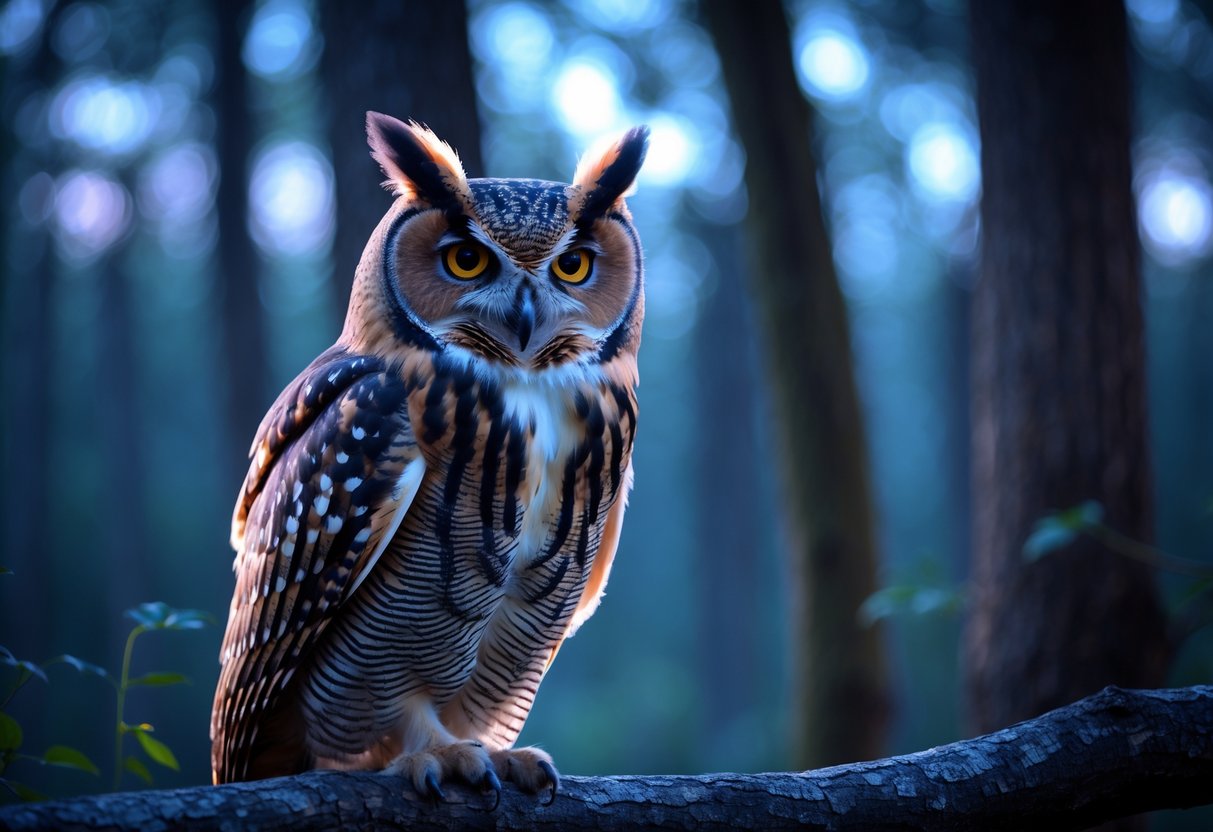
Sure, some folks link owls with mystery or even death, but they’re not out to get you. In fact, owls push you to dig beneath the surface and face changes head-on. When you get what owls are about, you might start seeing them as helpful messengers instead of something to fear.
Owls often bring messages of transformation and insight. Who knows? They might support your spiritual journey in ways you didn’t expect.
Spiritual Meanings of Owls
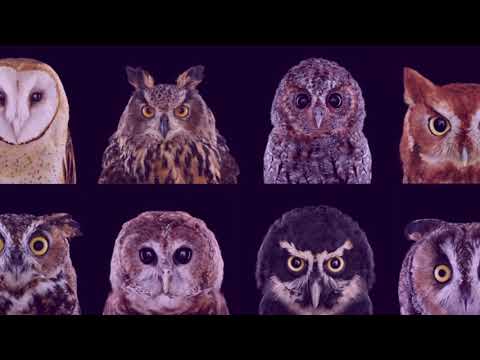
Owls show up with all kinds of spiritual meanings. They usually point to messages, deep understanding, or big changes on the horizon.
If life feels uncertain or mysterious, owls can remind you to trust your instincts and look for hidden truths.
Owls as Omens and Messengers
Spotting an owl might mean someone or something is watching over you. People have seen owls as messengers from the spirit world, bringing warnings or important info.
Their silent flight and those intense eyes? It almost feels like they’re hinting that something hidden is about to come to light.
You might see an owl when you’re going through changes or need to trust your inner voice. For many, an owl shows up as a sign of protection, a reminder you’re not alone.
No matter the species—Great Horned Owl or another—their presence can really push you to stay alert and open to new ideas.
Symbolism of Wisdom and Insight
Owls are famous for their wisdom. Their knack for seeing in the dark is almost like your own ability to notice things others miss.
If you come across an owl, maybe it’s a cue to trust your intuition and dig deeper into situations. Sometimes, you just need a little nudge to look past the obvious.
Think of the owl as a guide when things get confusing or tough. They stand for sharp insight and the power to notice what others can’t.
This kind of wisdom can help with personal growth and making choices. Sometimes, the answers you’re looking for are already inside you.
Mystery, Night, and Transformation
Owls live in the night, so people link them with mystery and the unknown. When an owl crosses your path, maybe it’s time to explore hidden parts of your life or yourself.
Their nocturnal habits remind you that darkness isn’t always bad—it can hold lessons or chances to grow.
Owls also stand for transformation. Like night turning into day, they encourage you to accept change, even if it feels a bit scary.
The Great Horned Owl especially symbolizes strength through these shifts, showing you how to move forward with courage and wisdom.
Cultural Beliefs and Misconceptions
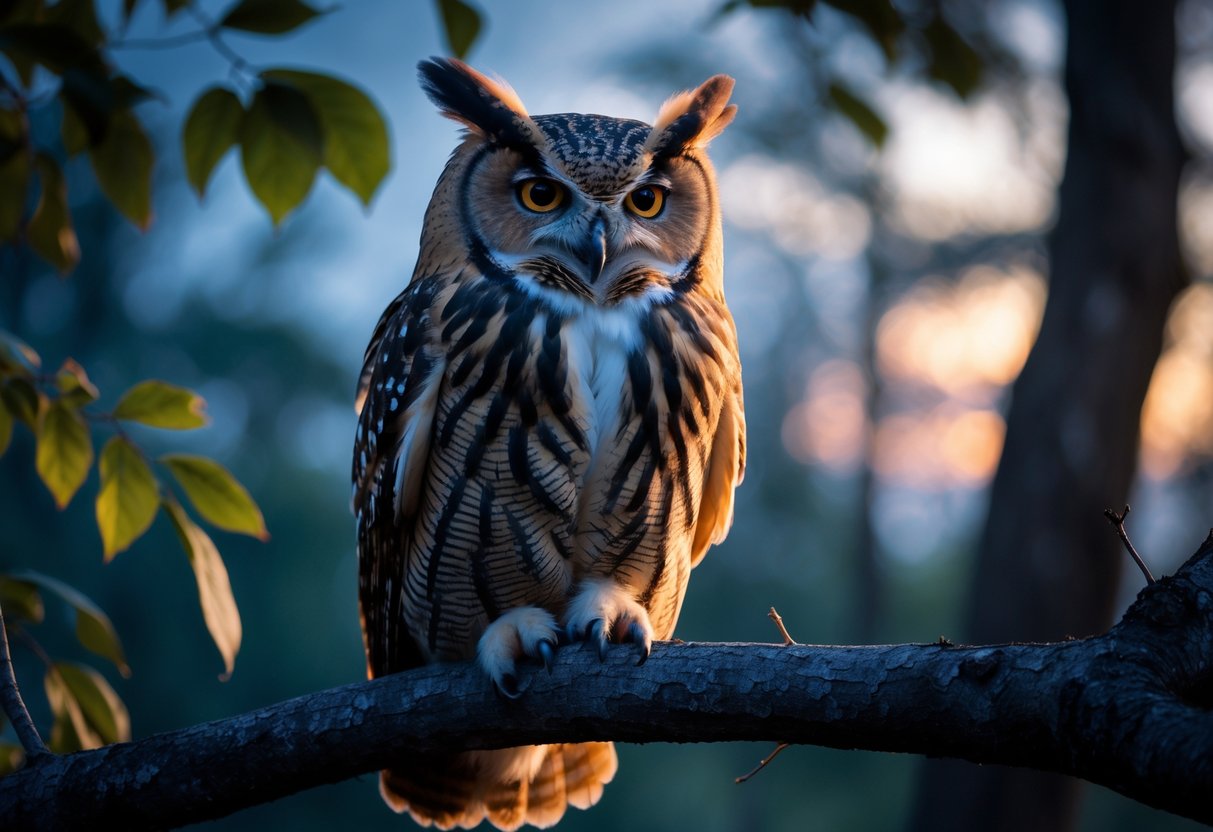
People have mixed feelings about owls, mostly because of stories and traditions from around the world. Some cultures see owls as wise helpers, while others think of them as bad omens or symbols of death.
Knowing these different views can help you get a better sense of what owls mean spiritually.
Owls in Ancient and Modern Cultures
Back in ancient Greece, people connected owls to Athena, the goddess of wisdom. That made owls symbols of knowledge and protection.
In Western culture, you’ll see owls representing wisdom more than anything else.
But in places like Kenya, among the Kikuyu, owls can mean something very different. If you hear an owl hoot, some believe it’s a warning that someone will die soon.
This idea pops up in lots of cultures, especially where owls are tied to the night and mystery.
In some parts of West Africa, people treat owls as sacred and believe they protect families. Certain Native American tribes also see owls as guardians of the spirit world.
Your view of owls really depends on where you’re from and what stories you grew up with.
Common Myths About Owls’ Spiritual Nature
Maybe you’ve heard that owls are evil or mean. Most of those stories are just myths.
For example, some folks once thought an owl could carry off a baby. Even a strong Great Horned Owl can’t carry anything heavier than a few pounds.
There’s also a rumor that if you touch a baby owl, its mother will abandon it. That’s not true—owl parents usually stick around for their young.
And the idea that owls hoot to scare away evil spirits? They’re actually just talking to each other.
These myths might make owls seem scary, but really, their behavior is totally natural and not meant to hurt people.
Owls in the Bible and Religious Thought
Owls show up a handful of times in the Bible, usually in passages about abandoned or ruined places. People often see them as solitary creatures hanging out in empty spots, which creates a strong image of loneliness or desolation.
Religious texts hardly ever paint owls in a positive light. Still, if you look closely, the Bible never actually calls owls evil or cruel. Their quiet, nighttime habits probably made people connect them with mystery or the unknown.
If you find yourself thinking about owls during Lent—a season for spiritual reflection—you might notice how they stand for both silence and watchfulness. Maybe they nudge you to turn inward, to observe your own thoughts, instead of worrying about them as some kind of bad omen.


