
Ever wondered if mice actually fear owls? They do. Owls naturally hunt mice, and just their presence—or even the sound of their call—can make mice hesitate and steer clear of an area.
This instinct keeps wild rodent populations from getting out of control.
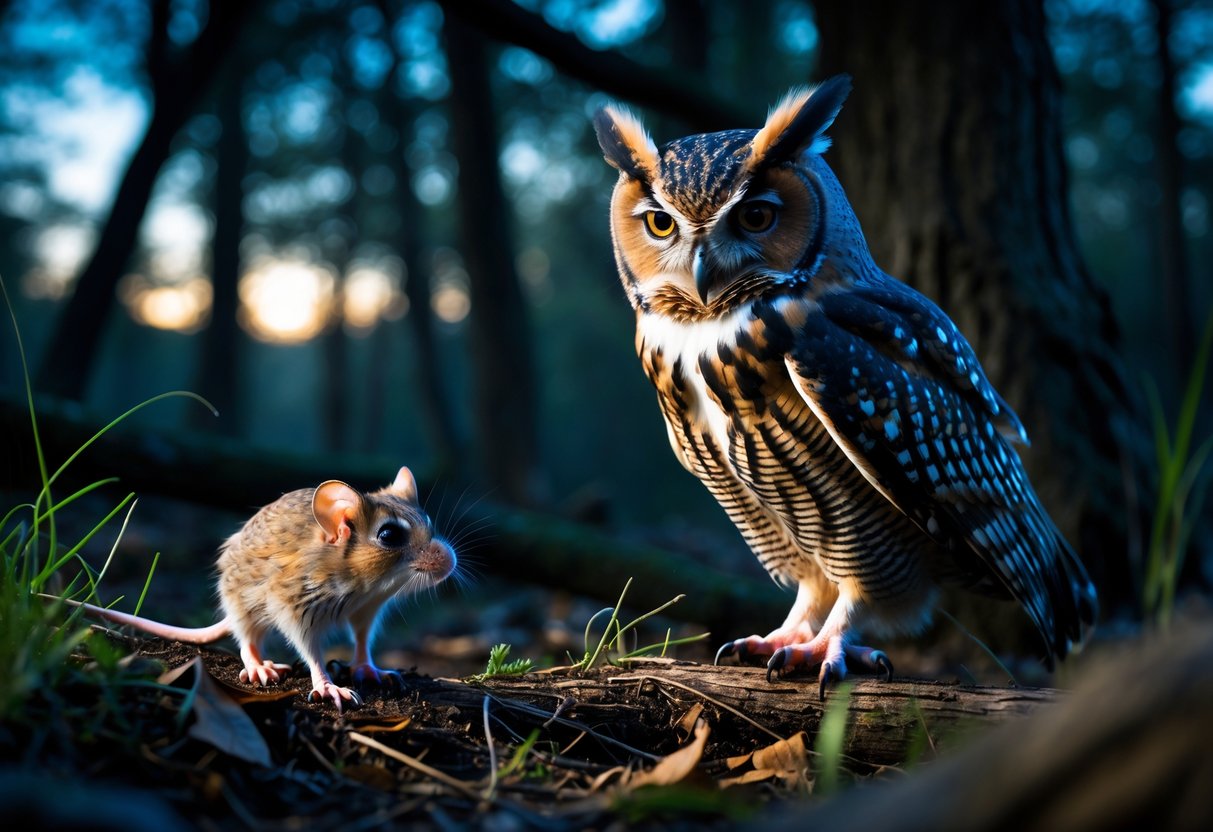
You’ve probably seen those plastic owl statues that people set out to scare off mice and other little critters. Sometimes, they work for a bit, but mice usually catch on if the owl doesn’t move or make noise.
Real owls, on the other hand, actually hunt and eat mice, so their presence really does help keep rodents away.
If you’re trying to manage mice around your house or garden, this info might help. Attracting real owls or using owl calls could do a better job than just sticking a fake owl somewhere.
Do Mice Fear Owls?

Mice use their instincts to avoid danger, and owls rank high on their list of threats. When you understand how mice react to owls, it’s easier to see why these birds help control rodent issues.
Mice rely on their senses and instincts, but the environment also shapes how they respond to owls.
The Predator-Prey Instinct
Mice have strong survival instincts that kick in around predators. Since owls hunt mice, you’ll usually find mice steering clear of places where owls hang out.
Mice pick up on signs like owl shadows or calls, and those signals make them cautious.
Owls hunt at night and move quietly, so mice learn to hide when they sense one nearby. This behavior is just built in.
That’s why you might see fewer rodents if there’s an owl close by.
How Mice Respond to Owl Presence
When a mouse senses an owl, it does its best to stay hidden. Mice duck into burrows, hide under leaves, or squeeze into thick brush to avoid being seen.
They avoid open spaces or spots where an owl could spot them.
Even fake owls sometimes freak mice out, at least at first, because the shape reminds them of a predator. But mice catch on if the owl never moves or hunts.
Real owls make rodents uneasy just by being around, which helps keep their numbers down.
Factors Influencing Mice Behavior
Several things affect how much mice fear owls:
- Owl Activity: If there are more owls around, mice get extra careful.
- Hiding Spots: Mice take more risks if they have plenty of safe places to run.
- Food Availability: When food is hard to find, mice might risk being seen.
- Type of Owl: Bigger owls are more dangerous since they can catch larger prey.
Understanding these factors gives you a better idea of why mice sometimes stay away or show up even if owls are near.
If you’re curious about how to bring owls to your yard for natural pest control, check out this article: how to attract owls for pest control.
Owl Species and Their Impact on Rodent Populations

Owls hunt with skill and help keep rodent numbers down in lots of environments. Different species come in different sizes and have their own hunting styles.
That means they affect mice, rats, and voles in different ways.
Barn Owl as a Rodent Predator
Barn owls have a reputation for hunting rodents. They mostly eat small mammals like mice, rats, and voles.
A single barn owl can eat three or four mice—or one or two rats—every day.
Thanks to their amazing hearing, they can find prey even in total darkness. You’ll often spot barn owls hunting in open fields or near farms, so they’re natural rodent controllers around homes or farmland.
They stick to the ground and open spaces, so they’re especially good at reducing rodent numbers in orchards and fields.
You can even attract barn owls to your place if you want some help with rodents.
Great Horned Owl and Barred Owl Hunting
Great horned owls are bigger and stronger than barn owls. They hunt larger prey, including rats and, sometimes, rabbits.
You’ll find them in all sorts of places, from forests to city parks, and they’re pretty efficient at catching small mammals.
Barred owls are about the same size but a bit less aggressive. They hunt mostly in dense forests.
Their menu includes mice and voles, but they’ll also eat birds and amphibians.
Both great horned and barred owls usually hunt by sitting and waiting, then swooping down on prey. Their size and strength let them handle bigger rodents than the smaller owl species.
If you live near woods, these owls can help keep rodent numbers down just by doing what they do best.
Northern Saw-whet Owl and Other Hunters
Northern saw-whet owls are pretty small, and they mostly go after tiny rodents like mice and voles.
You’ll usually find them in forests, where they quietly swoop through the trees at night, hoping to catch their next meal.
Barn owls and great horned owls might have a bigger effect on rodent numbers, but saw-whet owls still help keep small mammal populations in check.
Other owl species help out too, each sticking to their own favorite habitats and prey.
Every owl you spot out there is doing its part to keep rodents from taking over.


