
Spotting an owl in your garden always feels a bit magical, doesn’t it? Usually, it means the owl’s nesting nearby or just out hunting for food—especially if you catch it during daylight.
Owls sometimes hunt when the sun’s up if they’ve got hungry chicks to feed or if food is easy to find in the area.
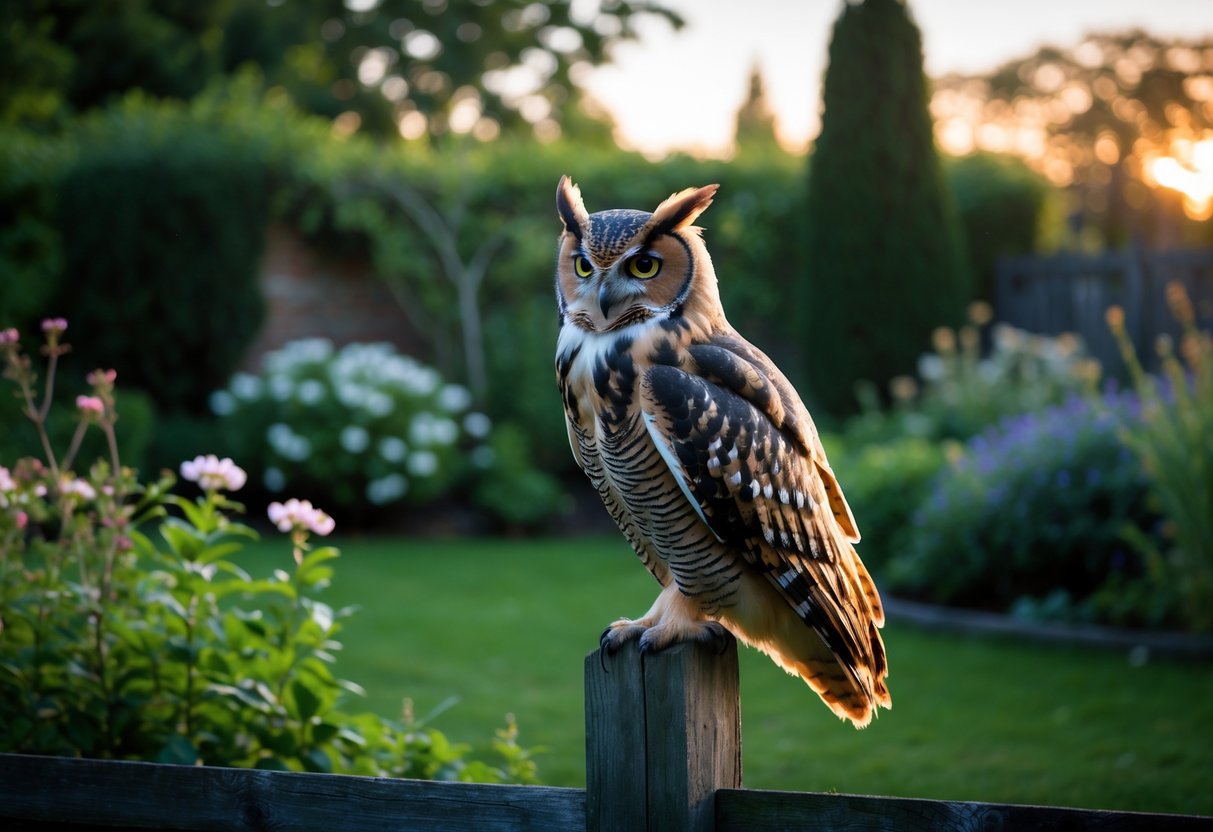
People have seen owls as signs of wisdom and change for centuries. Some folks even say they carry messages from the spiritual world or signal new beginnings.
Even if you don’t buy into all that, an owl’s visit reminds you to notice the wild world right outside your window.
Curious about why an owl might show up in your garden? There are some practical reasons and a few fascinating cultural ideas tied to these birds.
If you want more detail, you can dig into what seeing an owl during the day means in your area.
Spiritual, Cultural, and Symbolic Meanings of Owls in Your Garden
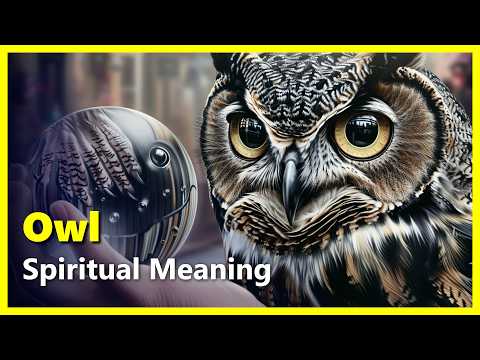
Seeing an owl in your garden can mean a lot of things, depending on who you ask. Sometimes it’s about spiritual messages, other times it’s more about old stories and superstition.
Owls often stand for wisdom, change, and even protection. Understanding these ideas might help you connect with whatever message the owl brings.
Historical and Folklore Associations
Owls show up in myths and legends all over the world as symbols of mystery and knowledge. Ancient Greeks tied owls to Athena, the goddess of wisdom, which is probably why we still see them as smart and insightful creatures.
Native American stories sometimes give owl feathers special power, symbolizing protection in tough times. But not every culture sees owls the same way—some link them to death or the afterlife, thinking of them as messengers between worlds.
So, when you spot an owl in your garden, you’re brushing up against a whole mix of old beliefs and stories.
Modern Spiritual Interpretations
These days, a lot of people see owls as spiritual guides. If one visits your garden, maybe it’s a sign to trust your gut or brace for a change.
People think owls help you see past the obvious and notice what’s hidden. Their quiet flight gets linked to watching and learning through patience.
Spiritual guides might nudge you to reflect a bit when an owl drops by. Maybe it’s just a gentle reminder to slow down and look for clarity.
Common Superstitions and Misconceptions
You’ve probably heard that seeing an owl means bad luck or even death. Those old superstitions come from their nighttime habits and haunting calls.
But honestly, most of that’s just myth. Owls in your garden rarely bring harm.
Plenty of cultures see them as good luck instead. If you find an owl feather, some say it’s a sign of spiritual protection.
No need to be spooked—these birds are more fascinating than frightening.
Wisdom, Protection, and Transformation
People most often connect owls to wisdom, protection, and transformation. Their knack for seeing in the dark reminds us to trust our instincts, especially when things get murky.
When an owl shows up, maybe it’s nudging you to embrace change or grow through a tough patch.
Owls also watch over their territory quietly, which feels comforting. Their presence can inspire a sense of safety and curiosity as you navigate life’s twists and turns.
Why Owls Visit Gardens: Behavior, Species, and Natural Significance

Owls don’t just show up for no reason—they’re looking for food, safe spots, or maybe a place to nest.
When you understand their habits and the kinds of owls that might visit, you’ll probably appreciate their visits even more.
Habitat Preferences and Attractants
Owls pick gardens that give them shelter, food, and some peace and quiet. Big trees, dense bushes, and wetlands nearby make perfect hiding or roosting spots.
If your garden has lots of mice, frogs, or insects, you might notice more owl activity—they’re always on the hunt.
During nesting season, they often visit more because they’ve got chicks to feed. Some, like barred owls, love swampy or wooded areas near homes.
Though they’re mostly night hunters, owls might come out during the day if food gets scarce or they need to feed their young.
Owls as Garden Predators and Ecosystem Allies
Owls act as natural pest control. They hunt rodents like rats and mice that could damage your plants or spread disease.
By keeping these pests in check, owls help balance the ecosystem around your garden.
Their soft feathers let them swoop in silently, so their prey rarely hears them coming. That makes them pretty effective hunters.
When owls visit, they’re helping protect your plants and home—no extra effort needed from you.
Your garden stays healthier because owls handle animals that might otherwise cause trouble.
Notable Species: Great Horned Owl
The great horned owl stands out as one of the most recognizable owls you might spot in a garden. It’s a big bird, and those feather tufts on its head look almost like horns.
These owls hunt at night and eat everything from rodents to small birds. If you see one nearby, your garden probably offers good hunting and maybe a safe place to nest.
Their thick feathers help them fly quietly, which makes them even better at sneaking up on prey.
Observing Owls Responsibly
When you spot owls in your garden, just watch quietly and keep your distance. Try not to use bright lights or make loud noises—those can easily scare them away.
Owls get stressed pretty easily, especially if they’re nesting or hunting for food. I’ve noticed they really don’t like being disturbed.
Don’t try to touch or take any owl feathers you find. In a lot of places, that’s actually illegal since owls are protected by law.
It’s better to just enjoy watching these amazing birds and maybe learn a thing or two about their role in nature. Giving them space helps them stay healthy and makes it more likely they’ll come back to your garden.
If you’re curious and want more info on owl behavior and sightings, check out this page about owl meaning and sightings.


