
Owls love quiet, dark spots where they can rest during the day and hunt when night falls. They usually pick places with lots of food, like fields or forests packed with small animals—especially rodents.
What do owls seem to enjoy most? A safe place to roost, good hunting grounds, and plenty of prey.
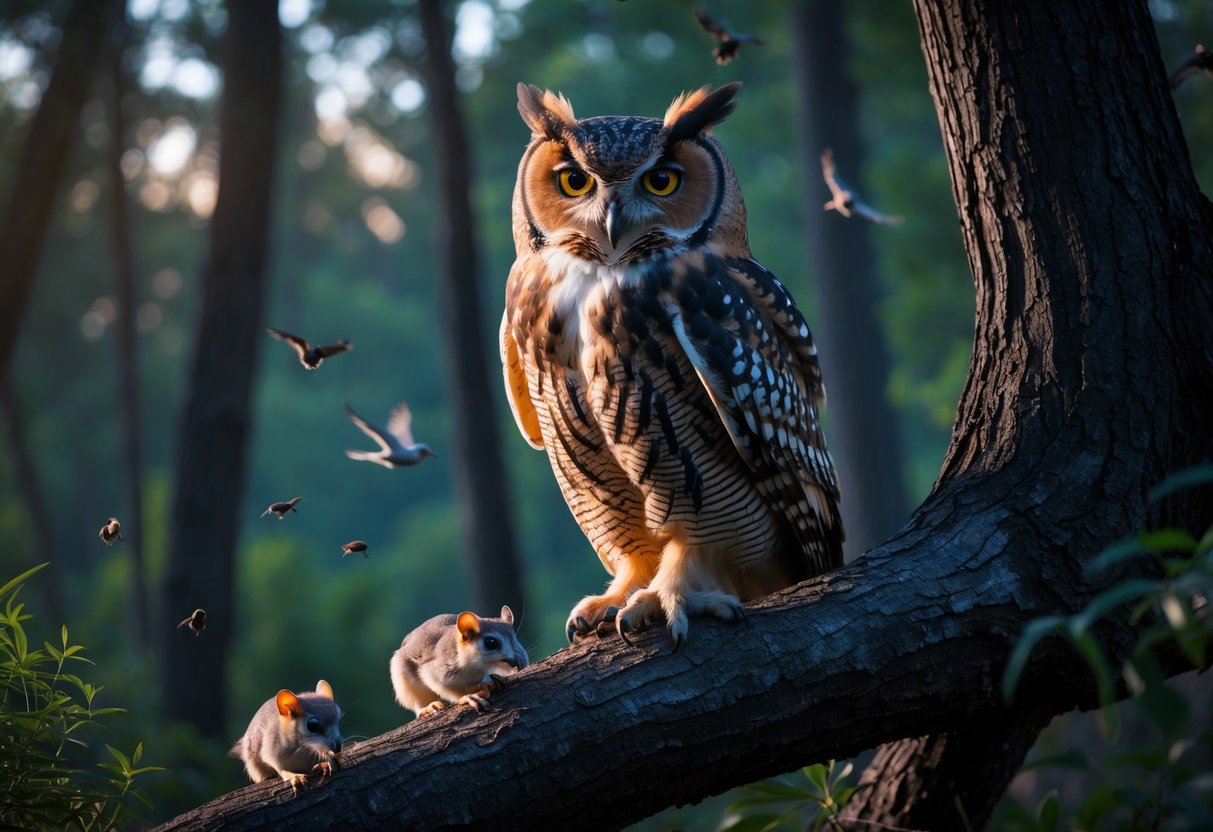
You might not expect it, but owls do more than just hunt—they spend time preening their feathers and, sometimes, even hanging out with other owls. Many hunt by gliding silently down onto small animals like mice, frogs, or insects.
Some owls stash extra food away for later, just in case hunting gets tough. It’s a clever move, honestly.
If you’re curious about what keeps an owl happy, picture places where they can stay hidden, find a steady meal, and feel secure enough to raise babies. Knowing this actually helps you spot owls in the wild—or create a good environment if you’re watching them nearby.
Want more details about their homes and hunting habits? Take a look at the Owl Research Institute.
What Owls Like to Eat

Owls mostly go after small animals that give them the nutrition they need. With their sharp talons and soundless flight, they catch prey like rodents, birds, and sometimes insects or snakes.
Favorite Prey: Mice, Rats, and Rodents
A lot of owls really go for small mammals—think mice, rats, voles, and shrews. These critters are easy targets and live just about everywhere.
Barn Owls, for example, almost always hunt voles and mice because they’re so common and full of energy. Rodents stay busy at night and often wander out in the open, making them perfect owl food.
You’ll often find owls hunting around fields, farms, or woods, right where these little mammals hang out.
Hunting Strategies and Talons
Owls use their silent wings to sneak up on prey. When they spot something from a perch or while flying, they swoop down, talons ready.
Their talons act like powerful claws, gripping prey tight. Two point forward, two backward—pretty handy for holding on.
Some owls even snatch bugs or birds out of the air. Still, most catch animals on the ground, taking them by surprise.
Other Foods: Insects, Snakes, and Birds
Rodents aren’t the only thing on the menu. Owls also eat insects like beetles and moths, especially if they’re a smaller species.
If rodents run low, some owls will hunt snakes or small lizards. Bigger owls sometimes go after rabbits, squirrels, or even ducks, but that’s not their first choice.
Owls adapt and eat whatever’s around, which helps them get by in all sorts of places and seasons. If you want to dig deeper into their diet, check out World Of Owls.
Habitats and Nesting Preferences of Owls

Owls look for safe spots to live and raise their young. The right habitat and nesting place depends on the owl’s size, hunting style, and where they live.
How do they pick a home? It really changes from species to species.
Preferred Habitats and Homes
Different owls like different living spaces. Great Horned Owls, for instance, can handle forests, deserts, or even cities.
Barn Owls, on the other hand, stick to open places like grasslands and farms. Some, like the Snowy Owl and Short-eared Owl, prefer wide open tundras or grasslands.
Others, like the Great Gray Owl and Long-eared Owl, settle in dense forests with big trees. Owls usually pick homes close to their favorite food sources.
Tree holes, old nests from hawks or crows, and caves all make good shelters. Some, like Burrowing Owls, even live underground.
Owl Nest Boxes and Natural Nesting Sites
Most owls don’t bother building their own nests. They use abandoned ones left by hawks or crows.
Great Horned Owls often move into old Red-tailed Hawk nests. You can actually help by putting up owl nest boxes—these mimic natural tree holes and give owls a safe place when real nests are hard to find.
This works well for Screech Owls and Northern Saw-whet Owls. Natural nesting spots include tree cavities, cliffs, hollow logs, or even holes made by woodpeckers.
Barn Owls often pick barns, silos, or empty buildings to stay out of sight.
Nocturnal Life and Adaptations
Most owls are nocturnal. They come alive at night, hunting while the world sleeps.
This night schedule helps them dodge other predators and scoop up prey without much competition.
Owls show off some pretty wild adaptations for their night missions. Their huge eyes soak up every bit of light, letting them spot movement in the dark.
Their feathers? Super soft and specially shaped, so they can swoop down without making a sound. Sharp talons get the job done when they grab animals like mice, rabbits, or sometimes frogs.
A few owls, like the Barred Owl, actually get moving during the day. Still, most spend daylight hours tucked away in hidden roosts.
They usually pick thick trees, hollow logs, or abandoned nests—anywhere safe and cozy until the sun goes down.


