
Ever wondered if owls get scared? Well, they do—sometimes more than you might guess. Owls usually feel nervous around people and bigger animals that could hurt them. Even though they’re skilled hunters and move quietly, owls try to avoid trouble and keep their distance from anything risky.
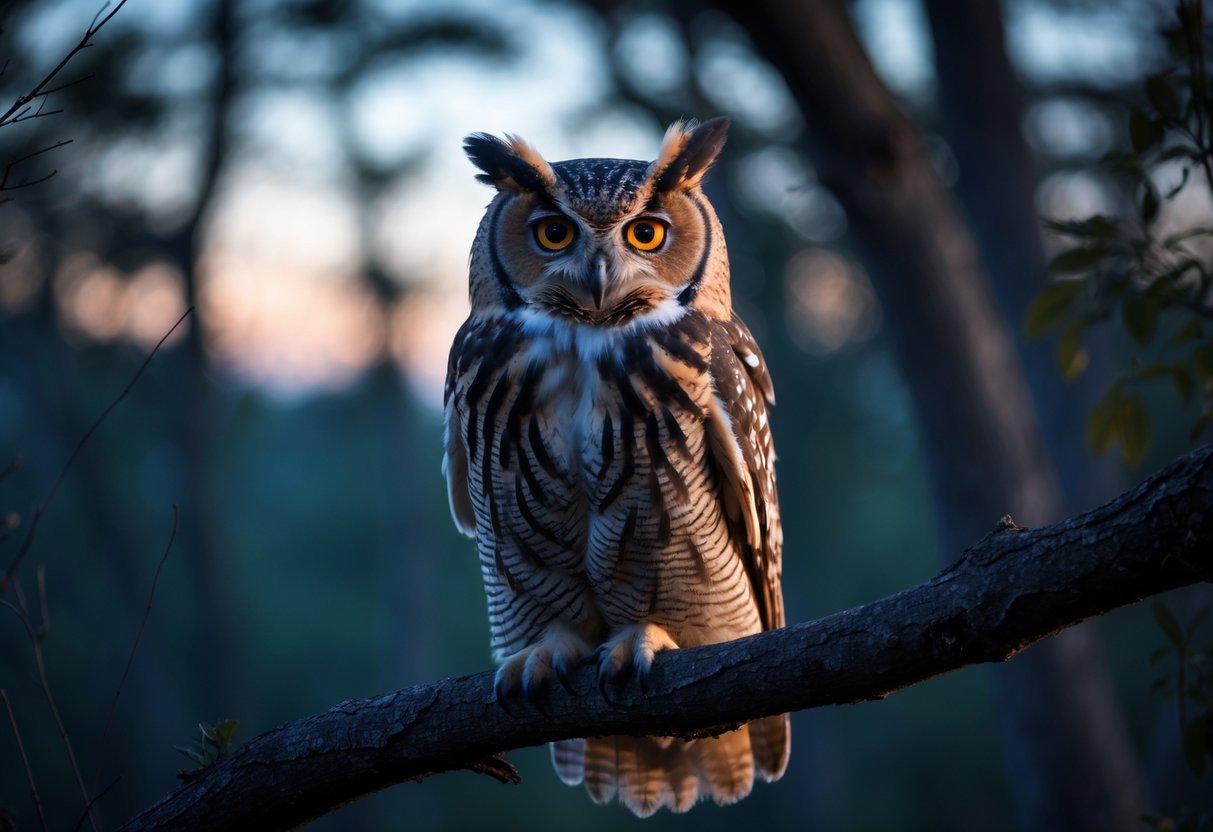
You probably won’t catch owls reacting much, since they tend to stay hidden and away from humans. Still, if an owl hangs around your yard, it might get uneasy about loud noises or dogs nearby—lots of owls seem to fear those. It’s good to know what makes owls anxious so you can respect their space and help keep them safe.
Owls fascinate a lot of people and play a big part in nature, but they’re definitely not fearless. When it comes to protecting themselves or their nests, they get pretty cautious. If you want to dig deeper into what scares owls and why, check out owl behavior and safety.
What Are Owls Afraid Of?

Owls might look brave, but plenty of things can spook them or make them act extra carefully. Most of their fears come from other animals, rivals in the air, and anything that could hurt their babies.
These threats shape how they act and survive.
Natural Predators and Threats
Even tough owls like the great horned owl have to look out for danger. Bigger birds of prey—think eagles, hawks, and falcons—sometimes go after smaller owls, like the barred owl.
Foxes, bobcats, and coyotes will hunt owls, especially if they find them nesting or roosting close to the ground.
Snakes and rats sometimes attack baby owls, called owlets, since they’re still learning how to survive. Loud noises and bright lights can really startle owls, since they depend on the dark and quiet to hunt well.
You might see owls take off fast if people or sudden sounds disturb them.
Territorial Challenges From Other Raptors
Owls spend a lot of energy protecting their territory from other raptors that see them as rivals. Hawks and falcons, for example, can get pretty territorial and might chase or attack owls to take over the best hunting spots.
Great horned owls have a reputation for fighting other raptors to keep their big territories. If you ever spot two big birds circling each other, it’s probably a turf war.
These battles keep owls on their toes around other birds of prey.
Owls use hoots and flashy displays to warn off intruders. Sometimes, just putting a fake owl near your house will keep real owls away—they see it as a threat.
Defensive Behaviors in Owlets and Adults
Young owls, or owlets, hide in thick trees or nests to stay safe from predators. Their nervous behavior is all about survival—if they stay hidden, they have a better shot at growing up.
If something threatens them, mother owls get aggressive to protect their babies.
Adult owls will use loud calls, sudden flights, or even swoop at threats to defend themselves or their young. If you walk too close, a big owl might dive at your head to scare you off.
They want to protect their families but try not to get hurt in the process.
Owls also count on camouflage, sitting still and quiet to avoid being noticed when danger is near. If you want to help, try to give owls a peaceful, safe place to rest and hunt.
You can read more about what scares owls and how they act here.
Cultural Myths and Human Perceptions of Owl Fears

People have wrapped owls in all sorts of weird, spooky ideas across different cultures. These stories shape how we see what owls fear and their place in our lives, especially during certain seasons or events.
Halloween Associations and Superstitions
When Halloween rolls around, owls just seem to fit the eerie mood, don’t they? People often think of them as mysterious night creatures, maybe even a little dangerous.
Their hoots and silent wings only add to that spooky feeling.
Some folks say hearing an owl on Halloween night brings bad luck or even death. For ages, people have linked owls to the unknown and the supernatural.
You might hear that an owl’s hoot is a warning from the spirit world or a sign of ghosts.
But honestly, owls aren’t afraid of Halloween or anything like that. Those ideas come from old myths and stories people made up when they didn’t understand owls.
Once you learn more about them, it’s clear their behavior is just part of nature—not something to fear.
Role of Ghosts and Witches in Folklore
Some stories tie owls closely to witches and ghosts. People often say owls act as witches’ messengers or ghostly watchers in the dark.
That idea goes way back. Folks once believed owls protected secret knowledge or had something to do with magic.
If you spotted an owl near your house, people might warn you about witchcraft or ghosts hanging around. In a few cultures, they even thought owls were spirits themselves or had the power to see what humans can’t.
Stories like these made owls seem mysterious or even scary. But honestly, owls just want to avoid people and mind their own business at night.
They don’t care about ghosts or witches—they’re just out there living their lives.
For more on how owls show up in tales about witchcraft and the supernatural, check out this page on Owls in Mythology & Culture.


