
Ever wondered when owls show up in the UK? You’re definitely not alone. Most owls get moving around dusk and dawn, often hunting when the light’s low or it’s already dark. These hours give them a real advantage—prey like mice and voles don’t stand a chance against an owl’s sharp hearing and night vision.
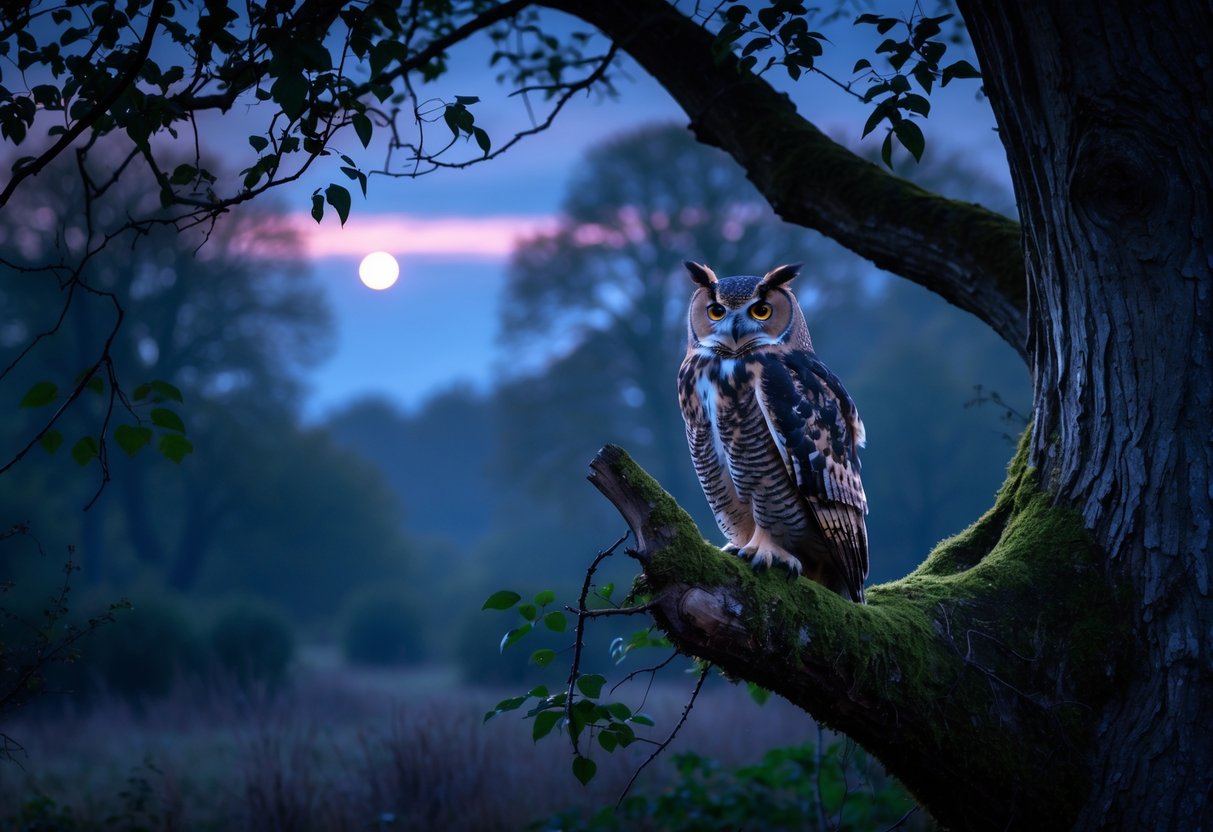
People call owls nocturnal, but that’s not always the full story. Barn owls, for example, sometimes hunt in broad daylight during summer, especially if they’re feeding hungry chicks. If you know when owls are most active, you’ll have a much better shot at spotting them.
Maybe you’re new to owl watching, or maybe you’re just curious—either way, knowing their habits really helps. Want some extra tips on barn owl activity? Check out this guide on barn owl hunting times and behavior.
When Do Owls Come Out in the UK?

Owls in the UK usually get active when it’s dim outside. You’ll notice different species pick different times, and the season can change things up too.
Some owls hunt in daylight, but others wait for the cover of night.
Typical Activity Times Throughout the Year
Most UK owls are either nocturnal or crepuscular, so they come out at dusk, dawn, or during the night. Barn owls love hunting around dusk and dawn, especially over open farmland.
You’ll spot their slow, floating flight as they look for small mammals.
Tawny owls stick mostly to nighttime activity. Their evening calls are a classic sound, especially in autumn.
Little owls break the mold a bit. They’re often out in daylight since they’re mostly diurnal, but they’ll call at night too.
Differences Between Species in the UK
Each species does its own thing. Barn owls hang out in open fields and prefer twilight hours.
Tawny owls, the UK’s most common, haunt woodlands and hunt at night. Their calls are so familiar—hard to miss, honestly.
Little owls are tiny and live in mixed farmland or orchards. You might catch them out during the day, since they’ll hunt in both daylight and at night.
Short-eared owls don’t care much for the rules and hunt day or night, especially when winter rolls around.
Variations by Season and Daylight Hours
Owl routines shift with the seasons. In autumn and winter, nights stretch longer, so barn owls spend more time hunting after dark.
Tawny owls get especially vocal in autumn when pairs start courting.
Spring and summer bring longer days, so owls like to hunt at dawn or dusk instead. Short-eared owls, for example, use daylight hours for hunting in winter and early spring.
Light changes mean you could see or hear owls at all sorts of times throughout the year.
If you want more details, the Barn Owl Trust guide is a solid resource.
Daytime and Twilight Owl Activity

UK owls mostly stick to the night, but sometimes you’ll catch them during daylight or twilight. They tweak their routines depending on food availability and what other hunters are around—like buzzards or kestrels.
Why Some Owls Are Active in the Day
Barn owls, for instance, often hunt at dawn and dusk, but you might see them out during the day too. Their prey, like small mammals, can be easier to catch in those low-light hours.
You might even spot owls being active in broad daylight in places like Iceland or Russia, where summer days just don’t quit.
Daytime hunting helps them avoid fighting for food with nocturnal hunters like bats. It also keeps them out of the way of daytime birds of prey such as buzzards and kestrels, which hunt at other times.
Daytime Roosting Habits
During the day, owls pick quiet, hidden spots to rest. They like dense trees, old buildings, or hollow trunks.
These places keep them cool and safe from predators.
You’ll often see them sitting very still, blending right in thanks to their camouflaged feathers.
Finding a good roost helps them save energy for the night ahead. Plus, it means they dodge unnecessary run-ins with other birds of prey that might mob or chase them.
Interactions with Other Birds of Prey
If you’ve ever watched birds of prey, you’ll spot buzzards and kestrels out hunting in the daylight. Owls, on the other hand, dodge direct competition by sticking to nighttime activity.
Sometimes, buzzards or kestrels will go after owls they spot during the day. These daytime hunters treat owls as rivals, especially if they’re near nests or good hunting spots.
Owls know this, so they keep hidden and quiet while the sun’s up. They usually wait for dusk or full darkness to head out, when bats and other night creatures are around, and they can hunt in peace.


