
Ever seen an owl bob or sway from side to side? It’s kind of mesmerizing, isn’t it? Owls do this because their eyes stay fixed in place, so they have to move their heads to get a full view and figure out how far away things are. This quirky movement gives them a better sense of what’s going on around them.
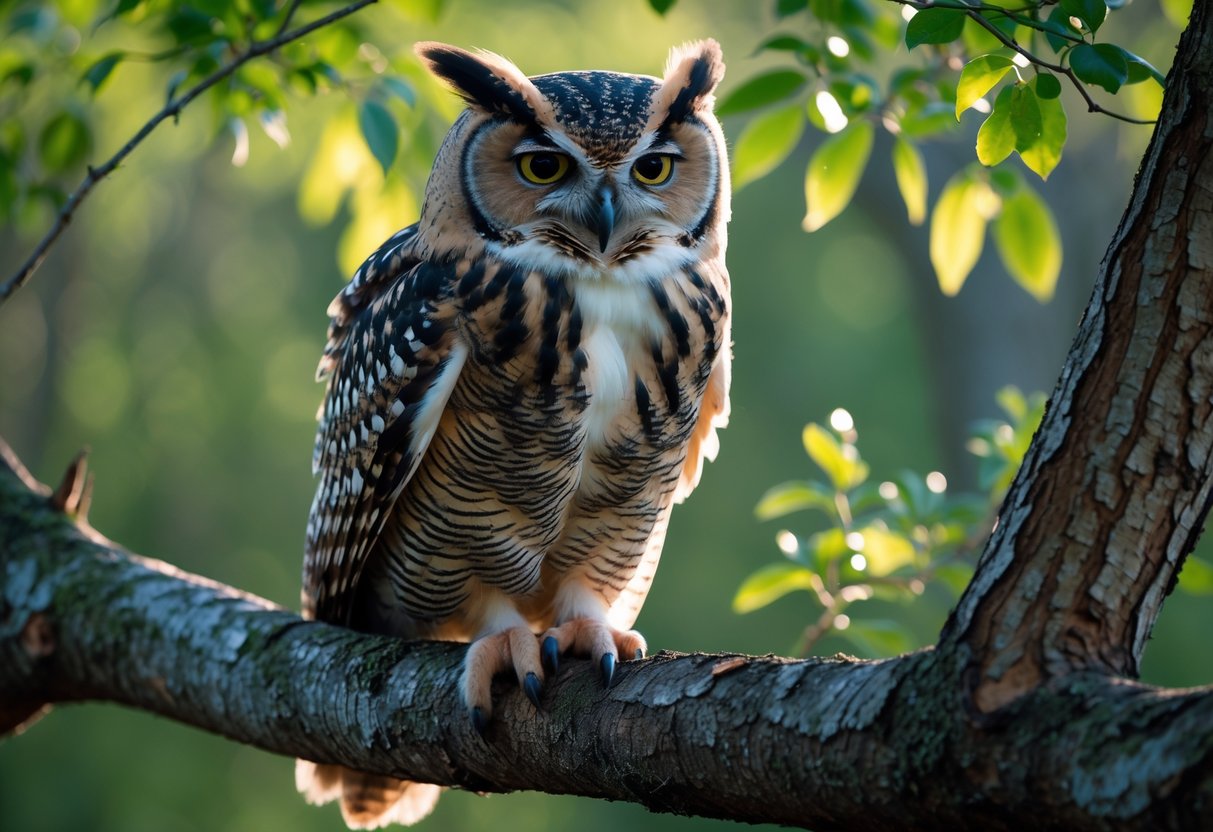
Owls can’t swivel their eyes like we do, so they shift their heads and sway to change their perspective. That way, they spot prey or just stay on high alert. This head movement also helps them pinpoint where sounds come from—think of a mouse rustling in the leaves. Watching an owl sway is like getting a peek into how they use their wild senses to survive.
This little swaying habit isn’t just adorable—it’s how owls figure out the world when they hunt or try to stay safe. Next time you spot one, pay attention to that small sway. It’s a bigger deal than it looks.
Why Do Owls Sway Side to Side?

When an owl sways side to side, it’s not just stretching its neck. This motion lets the owl see things better, get a handle on its environment, and sometimes even send messages to other owls. You might spot this when an owl’s really focusing or feels on edge.
How Swaying Helps Owls Judge Distance
Since owls can’t move their eyes, they turn their whole heads to look around. When they sway, they use something called motion parallax—basically, stuff that’s closer moves faster across their view than things farther away.
This trick helps owls figure out how far away something is. It’s super important for hunting or dodging obstacles in the dark. The sideways head movement gives them different angles, so they can judge distance more accurately than if they just stared ahead.
Predator and Threat Assessment Behavior
Sometimes, owls sway when they feel nervous or sense a threat. This side-to-side motion lets them check out danger from different angles without flying off right away.
If an owl’s near a person or another animal, swaying usually means it’s on high alert. You can see this in barn owls and others—they almost look like they’re dancing, but really, they’re just ready to react.
Communication Among Owls
Owls use their movements, including swaying, to communicate with each other. Sometimes they sway to show interest or to warn others to keep their distance. You’ll spot this in places where owls nest or hunt together.
The head movements send signals about how the owl feels or what it might do next. Owls don’t chirp much, so these head and body gestures are a major way they “talk.” It’s especially true for young owls learning from adults.
You can dive deeper into owl head movements and swaying on this page about motion parallax in owls.
Swaying in Barn Owls and Other Species

When you watch an owl sway side to side, it’s more purposeful than it looks. This movement helps them judge distances and find sounds or objects around them. You’ll notice young barn owls—nestlings—sway a bit differently than adults, and other owl species do it in their own way too.
Barn Owl Nestling Swaying Behavior
Barn owl nestlings, the little Tyto alba, start swaying not long after they hatch. At first, their big heads kind of droop under their bodies in an “egg posture.” After a few days, they begin moving their heads side to side to check out their world, even before their eyes open.
This swaying helps them estimate distance using motion parallax. By moving their heads, young barn owls start to get a sense of depth and learn where things are around them. You’ll see them sway more when they’re curious or alert, especially as they get closer to standing up or eventually flying.
Swaying at this stage is just a normal part of growing up owl. If you’ve got a barn owl chick, that swaying means it’s learning and getting used to its environment. There’s a great in-depth study on barn owl chick development at PMC, if you want to nerd out a bit more.
Differences in Swaying Between Tyto alba and Other Species
Barn owls sway with a distinct purpose, especially when you compare them to other owls. Their eyes barely move in their sockets, so they use swaying to make up for those fixed eye positions.
This side-to-side motion lets them change their angle of sight. It gives them a better view of their surroundings.
Other owl species sway too, but they often add in head bobbing or nodding. Some owls tilt or bow their heads to focus on sounds or catch visual cues in a different way.
The barn owl’s swaying feels more regular and smooth. That probably ties into how they hunt and their nocturnal lifestyle.
You might spot a barn owl swaying when it hears prey nearby. Other owls, on the other hand, use a mix of gestures to react to threats or social signals.
Barn owls really depend on hearing and precise distance judging when they hunt. That’s likely why their swaying seems so focused.
If you’re curious about how owls use head movements to gather sensory information, the National Audubon Society covers these differences in their piece on why owls bob their heads at Audubon.


