
So, you’re curious if owls make good pets? Honestly, they really don’t. Owls are wild creatures with needs that most people just can’t meet at home.
Trying to keep an owl is tough, expensive, and, in many places, illegal unless you’ve got special permits.
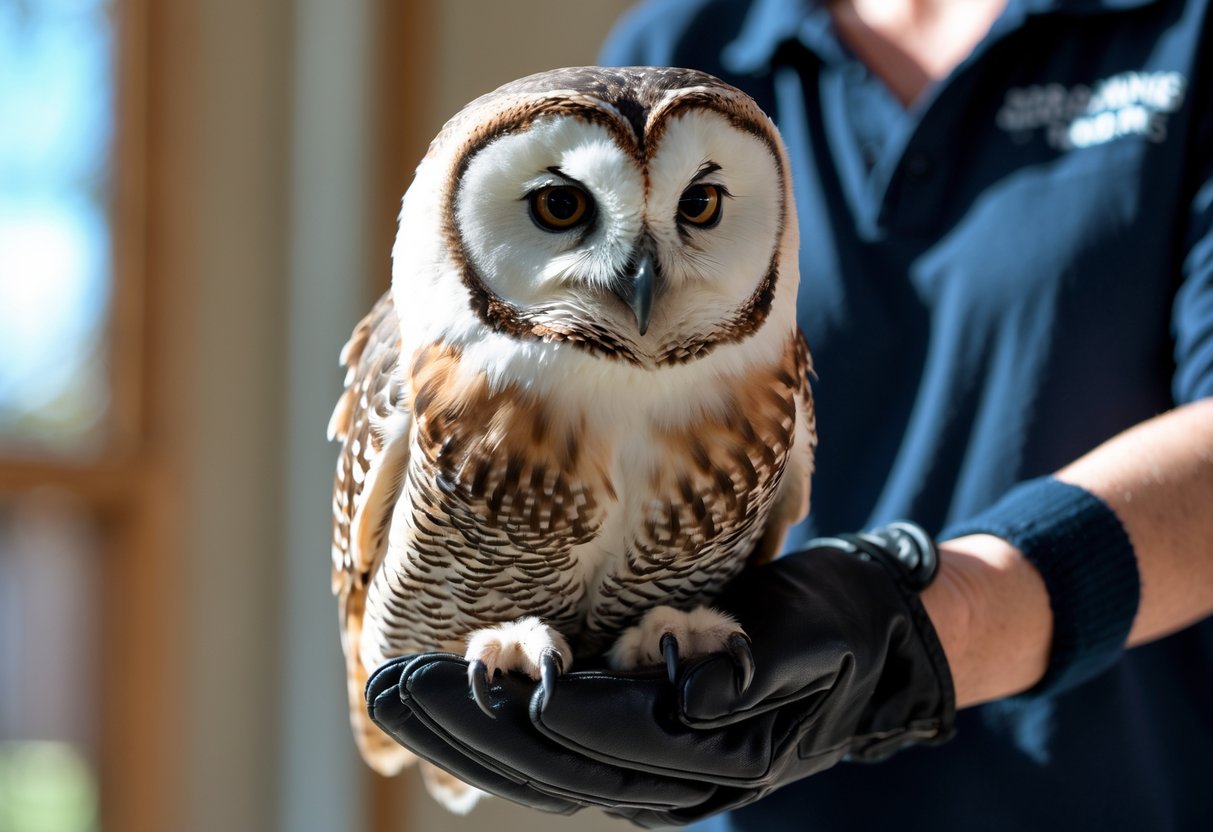
Owls don’t act like cats or dogs at all. They need a lot of space, a diet of whole prey, and care that fits their wild instincts.
They won’t cuddle or want to be petted. In fact, their sharp talons can be dangerous if you’re not careful.
If you’re fascinated by owls, you’ve got better options than trying to keep one in your living room.
Learning the real facts about owls can help you make a better decision.
Let’s look at why owls aren’t meant to be pets and what you can do if you want to help these incredible birds.
Are Owls Good Pets?

Owls are wild birds, and their needs are nothing like those of a typical pet. They need things that are just plain difficult for most people to provide.
Their behavior, diet, and care take a lot of time and dedication. Once you understand these challenges, it’s pretty clear why owls don’t fit in as pets.
Natural Behavior and Temperament
Owls hunt live animals—think mice and rabbits. That drive to hunt never really goes away, even if you bring them home.
They don’t want to be petted or snuggled like a dog or a cat. Many owls stay active at night, which can be a real headache if you’re trying to sleep.
You’ll notice owls act wild and mostly keep to themselves. Some might even get aggressive if they feel cornered, and those talons and beaks aren’t exactly friendly.
They just don’t bond with people the way dogs or cats do. If you’re hoping for a loving, social pet, an owl’s not going to give you that.
Dietary and Habitat Requirements
Owls eat whole prey—rats, rabbits, and other small animals. You can’t just pour kibble in a bowl.
Their food needs to be fresh, which means thawing frozen animals and sometimes dealing with organs. Let’s be real, that’s tough for most people.
They need a big, safe space to fly around. You can’t keep them in a small cage.
Daily exercise is a must for their health. Their enclosures get messy quickly, with lots of droppings and feathers everywhere.
If you own an owl, you’ll have to feed, clean, and care for them every single day. It’s a major commitment.
Risks of Keeping Owls as Pets
Many countries protect owls by law, so you usually need permits and training to keep one. Skip the paperwork, and you risk fines—or losing the owl entirely.
Owls can injure you with their talons or beaks. You’ll need to know how to spot health problems, and finding a vet who understands raptors isn’t easy.
Add in the noise and the mess, and it’s no wonder owls just don’t work out in most homes.
For more details, check out Owls as Pets – International Owl Center.
Legal, Ethical, and Pop Culture Perspectives

Knowing the laws, ethical debates, and pop culture around owls helps explain why they’re not good pets.
Their legal protection, how movies show them, and the needs of each species all matter here.
Laws and Conservation Issues
In lots of places—including the U.S.—keeping owls as pets is illegal. These laws protect wild owls and help keep their populations healthy.
Permits to care for owls usually go to pros or rehab centers, not private owners.
Illegal trade and capturing owls from the wild really hurts their populations. Taking them out of nature ruins their homes and stops them from breeding.
Laws try to prevent this by setting strict rules on who can care for owls. Letting owls stay wild is just better for them in the long run.
Impact of Harry Potter and Hedwig
Harry Potter made owls, especially Hedwig, seem magical and almost like dream pets.
That sparked a lot of interest in owning owls.
But real owls? They’re wild, and honestly, they can be dangerous. Most people can’t give them the care they need.
Movies don’t show the tough side of keeping an owl. Some fans try to get owls without understanding what’s really involved, and that’s bad news for both the bird and the owner.
It’s worth remembering—movie magic isn’t real life.
Species Examples: Snowy Owl and Great Horned Owl
Owls all need different care, especially if you ever try to keep one. The snowy owl, for example, is a big, wild bird that thrives in cold climates. People just can’t provide what it needs at home, and the laws protecting it are pretty strict. Snowy owls love open spaces and eat a very specific diet.
Great horned owls have some serious strength, with those sharp talons and beaks. They hunt incredibly well and really need to nest in the wild, not in cages. These birds can live for decades, so anyone considering caring for one is in for a long haul. Honestly, their wild instincts just don’t mesh with being pets.
| Species | Size | Legal Status | Care Needs | Notes |
|---|---|---|---|---|
| Snowy Owl | Large | Highly protected | Cold climate, wide space | Not good pets |
| Great Horned Owl | Medium-large | Protected, limited permits | Specialized diet, exercise | Long-lived, sharp talons |


