
Owls have always seemed mysterious, right? People wonder a lot about what they do when they’re not hunting, especially about their sleeping habits.
If you’re curious about where owls rest, well, it really depends on the species and where they live. Most owls sleep during the day in quiet, sheltered spots—think trees, rocky nooks, or even underground burrows.
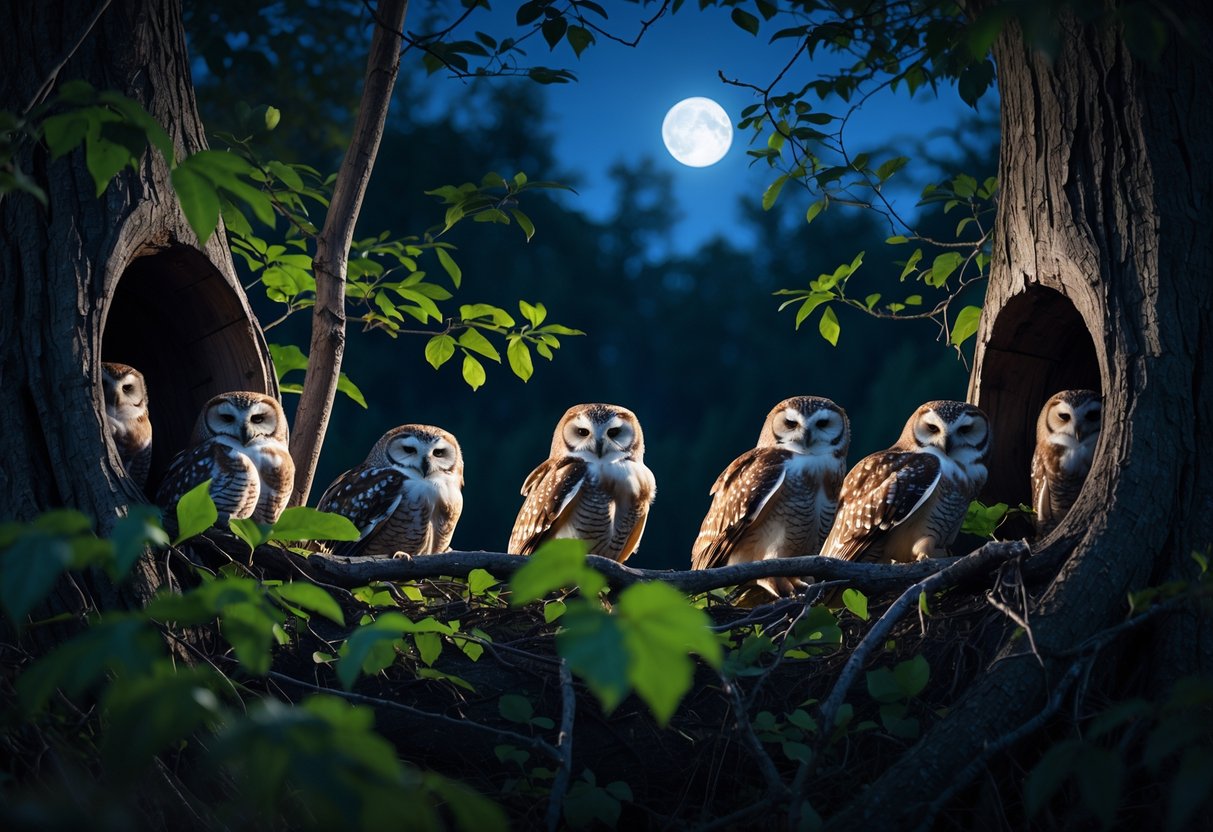
You might not guess it, but adult owls usually sleep standing up on branches. Baby owls, though, often just flop down to rest.
Finding a sleeping owl isn’t easy. They pick spots where they’re safe from predators and hidden from other birds.
Where Owls Sleep and Their Daily Rhythms

Owls pick specific places to rest during the day. Their sleep habits really depend on what kind of owl they are and how active they get at night.
These choices help them stay safe and ready for their nighttime hunts.
Typical Owl Sleep Locations
Most owls sleep during the day somewhere they can hide. You’ll usually find them on tree branches, inside hollow trees, or tucked into rocky crevices.
Some owls use burrows or even sleep on the ground. Adult owls sleep standing up, gripping branches tightly with their strong claws so they won’t fall.
The Great Horned Owl, for example, likes spots with lots of leaves for extra cover. Owl nests aren’t really for sleeping—they use them mostly for laying eggs and raising chicks.
Instead, owls pick roosts that are quiet and keep them out of sight from predators. If you want to dig deeper, there’s more info about how owls find shelter to sleep.
Differences Between Nocturnal and Diurnal Species
Most owls hunt at night, so they sleep during the day. Their eyes and ears work great in low light, so they need about 10 to 12 hours of rest in a calm, dark spot to recharge.
But not all owls follow this pattern. The snowy owl, for example, acts diurnal in the summer because there’s constant daylight in the Arctic.
They adjust their sleep schedules to fit the bright conditions and when their prey is active. Burrowing owls also break the mold.
They’re active during the day and rest at night. Usually, they sleep in underground burrows, which keeps them safe and out of sight.
Why Sleep Patterns Vary Among Owl Species
Sleep patterns can change a lot based on an owl’s size, where it lives, and how it lives. Baby owls sleep differently than adults.
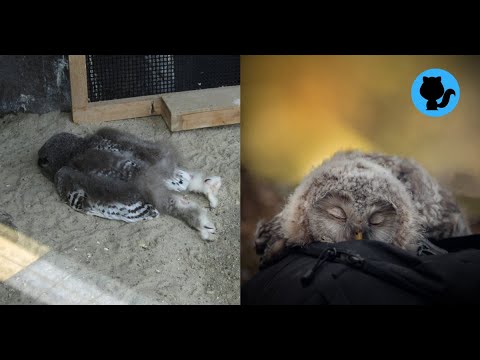
Since their necks are weak, they just lie down on their stomachs. They really need a lot of rest for their brains to grow.
Adult owls sleep standing, gripping branches with their feet. Sometimes their heads droop forward or back.
Where they sleep depends on where they feel safest from predators like hawks or foxes. Things like the season, how much light there is, and any nearby threats all play a role.
Owls pick roosts that protect them and work with their hunting style. If you want to know more, you can check out a detailed guide on owl sleep and species habits.
Unique Sleeping Behaviors in Barn Owls and Burrowing Owls
Owls have all kinds of ways to sleep and stay safe, depending on their species and where they live. Some hide away in quiet places, while others have habits that help them stay alert.
Let’s look a little closer at how barn owls and burrowing owls rest, along with what young owls do.
Barn Owl Sleep Habits
Barn owls usually sleep during the day. You’ll find them in dark, sheltered spots like hollow trees, old barns, or tucked away in quiet corners of buildings.
They pick places that keep them hidden from predators. When barn owls sleep, they stand upright on a perch and grip it tightly with their strong feet.
They close their eyes and stay alert for any signs of trouble. Since they hunt mostly at night, they rest during the daylight hours.
Their feathers have special patterns and spots that help them blend into tree bark or wooden walls while they nap.
Burrowing Owl Daytime Activity
Burrowing owls do things a bit differently. Instead of sleeping up high, they burrow underground.
They use tunnels they dig themselves or ones left by other animals. Unlike barn owls, burrowing owls are more active during the day.
You’ll see them standing near their burrows, sometimes sunning themselves on rocks or low branches. They sleep in and around their underground homes, but they don’t always stay hidden.
Burrowing owls can be pretty social and often live in colonies, which helps keep them safe.
Sleep in Young and Baby Owls
Baby owls don’t sleep like adults do. You’ll often spot young owls stretched out on the ground instead of standing up.
This habit lets their muscles recover and grow. Most baby owls curl up in nests or hide in secret spots to nap.
Sometimes they squeeze their eyes shut, just like a human baby, when they want a deep rest. As they get older, they figure out how to grip and balance like the adults.
Their sleep style shifts gradually, and pretty soon, they’re standing tall to rest—just like their parents.
For more on barn owl sleep, check out the article about barn owl sleep habits.


