
If you’ve ever heard about the bad spirit of the owl, you might wonder what that’s really about. The bad spirit of the owl usually shows up as a symbol of death, bad luck, or evil in a bunch of cultures, linking these birds to dark or negative forces. This idea comes from old stories and superstitions where people believe owls warn of trouble or carry spirits of the dead.
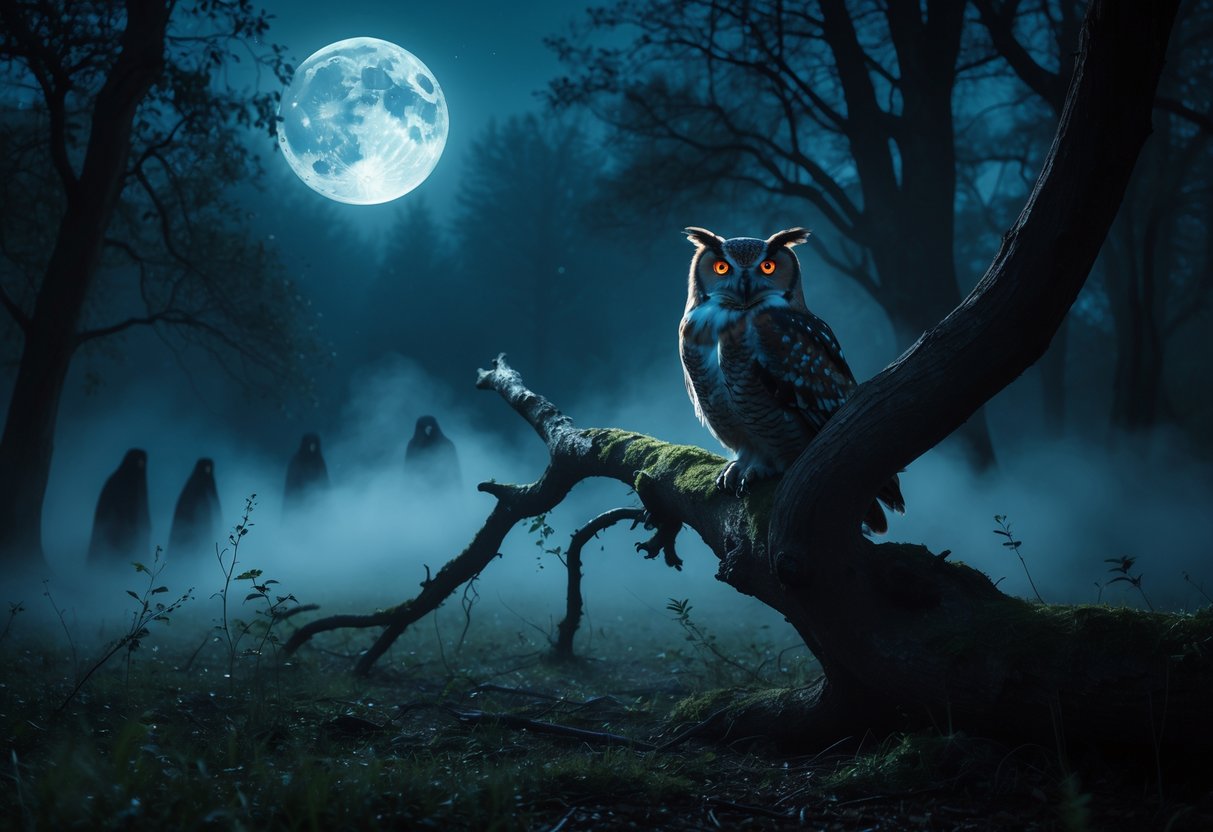
Not everyone sees owls this way, though. In some places, people think of them as wise or even sacred.
But when it comes to the bad spirit, the owl’s night-time habits and mysterious looks have sparked fear and suspicion for centuries. If you’re curious why the owl’s image swings from wise to wicked, let’s dig into its dark side and all those stories behind it.
Origins and Meanings of the Bad Spirit of the Owl
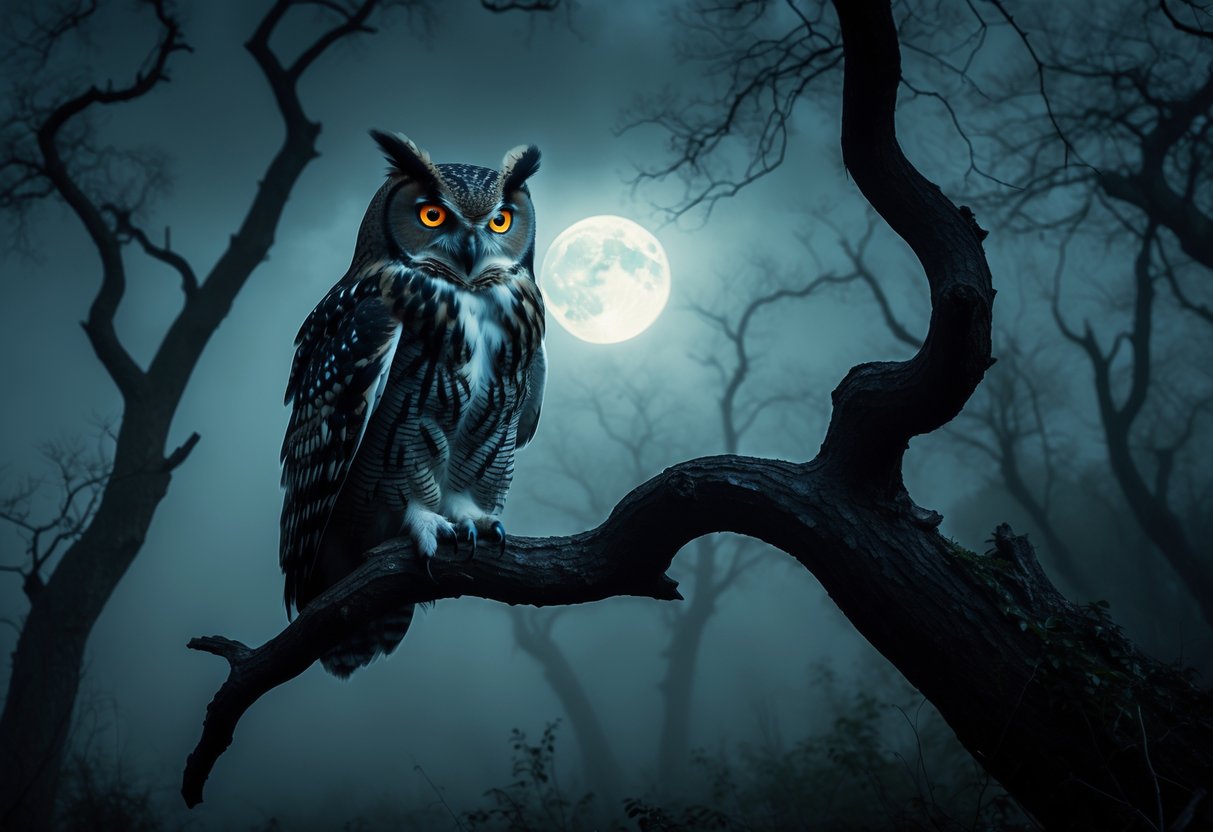
It’s kind of wild how many stories connect owls with mysterious and sometimes dark powers. These tales pop up all over the world, especially in Indigenous cultures.
People have tied owls to the night, death, and those weird, unsettling sounds they make.
Owl Spirits in Indigenous and World Folklore
In many Indigenous cultures, owls show up as powerful spirits. Some tribes, like the Cherokee and Lakota, say owls can carry messages from the spirit world.
But not all owl spirits are friendly. You’ll hear that they bring bad luck or even danger.
Certain owls with feather tufts—like “horned” owls—tend to get a bad rap. Some groups think these owls are shape-shifters or even spirits of the dead.
Sometimes, people see them as protectors, but there’s always this heavy, serious vibe about them.
In other places around the world, people link owls to mystery and magic. Their silent flight and night vision make them symbols of hidden knowledge, but they also stir up fears about darkness and the unknown.
Connections to Death and the Afterlife
Death and the afterlife often get tangled up with owls. Many tribes believe owls act as messengers or guardians of souls.
You might hear stories where an owl’s appearance means someone will die soon, or that souls travel with owls to the spirit world.
For some Native American beliefs, certain owls represent spirits of the dead. In some traditions, spotting an owl during the day could mean someone nearby will soon die.
Others say owls help guide souls to the afterlife. The link between owls, death, and night feels strong because these birds hunt quietly after dark.
Their calls sound pretty eerie, which only adds to their spooky reputation.
Owl Cries and Nocturnal Omens
The sounds owls make definitely shape their reputation. Owl cries—hoots, screeches, wails—often come across as warnings or signs that something’s off.
Their calls slice through the night, and honestly, it can feel like a message meant just for you.
Different owls have different voices. The Great Horned Owl’s deep hoots might sound like warnings, while screeches can really make your skin crawl.
Because owls are mostly out at night, their cries feel tied to darkness and secrets.
In lots of stories, hearing an owl’s call at night means danger is close or you should watch out. Some parents even use tales about owls to keep kids safe after dark.
If you’re curious, you can listen to all kinds of owl calls at Journey North’s Owl Dictionary.
Manifestations and Interpretations Across Cultures

Owls mean different things depending on where you are. Some people see them as wise and protective, but others link them to witches or spirits.
Stories often focus on owls’ shape-shifting, the different traits of each species, and their odd mix of wisdom and change.
These ideas shape how people live alongside owls and what they think these birds really stand for.
Transformation, Witches, and Shapeshifting Legends
In a lot of cultures, people tie owls to witches and magic. Some say witches turn into owls to sneak around at night.
You hear this especially about the barn owl and the great horned owl because they fly so quietly and make those haunting sounds.
Owls show up as messengers from other worlds, helping witches talk to spirits. The whole idea of transformation makes people both fear and respect them.
You’ll find legends where owls do tasks for witches or warn of things to come. This shapeshifting stuff really cements the owl’s link to the unknown and the magical.
It’s not just a bird—it’s a symbol of hidden power and mystery in folklore everywhere.
Symbolic Differences Among Owl Species
Not all owls get the same treatment. The barn owl, with its ghostly white face, usually pops up as a bad omen or a spirit of death.
The screech owl is famous for its eerie call, which can be unsettling, especially at night.
The great horned owl sometimes stands for strength and protection, almost like a guardian. Meanwhile, people link the snowy owl to clarity and wisdom, probably because of its bright feathers and love for daylight.
Long-eared owls sometimes represent secret knowledge or hidden truths. These differences in species really shape the stories people tell about owls.
Looks and sounds matter a lot when it comes to what people think these birds mean.
Wisdom, Change, and the Dual Nature of Owl Spirits
Owls often stand for wisdom and change, but there’s always a darker, more confusing side. Sometimes they guide you toward the truth, especially when life gets hard.
But they also remind you of death, the unknown, or stuff you might not want to face.
This double meaning means owls represent both clarity and mystery. Their night vision lets you see what’s hiding in the dark, while their silent wings hint at quiet changes.
Take the white owl—some see it as pure and insightful, others say it brings bad news. You might even notice owls around when you’re going through big changes or searching for deeper truths.
Impact on Culture and Everyday Life
Owls show up in stories and somehow end up touching all kinds of things in daily life. In some places, folks hang owl symbols or images to protect their homes from evil spirits.
People used to put an owl on barn doors, hoping it would keep away lightning and trouble. That’s a pretty specific superstition, but it stuck around in a few rural areas.
Elsewhere, owls actually spark fear, shaping how people treat these birds or even how they react when they hear their calls at night. Some communities won’t even say the word “owl,” just in case it brings bad luck.
Owls pop up in art, rituals, and all sorts of daily beliefs. You might notice their spirit woven into your own traditions, especially when it comes to how you think about change or mystery.
Curious about how owls connect to witches, wisdom, and more? Take a look at owl folklore and symbolism in different cultures.


