
If you’ve been watching The Owl House, you might’ve wondered: are there actually demons in the show? Yeah, demons exist in The Owl House, but honestly, they’re nothing like those terrifying monsters from old legends.
Instead, these demons are magical beings living side by side with witches and all sorts of odd creatures on the Boiling Isles. They add a ton of charm and a little mystery to the world Disney cooked up.
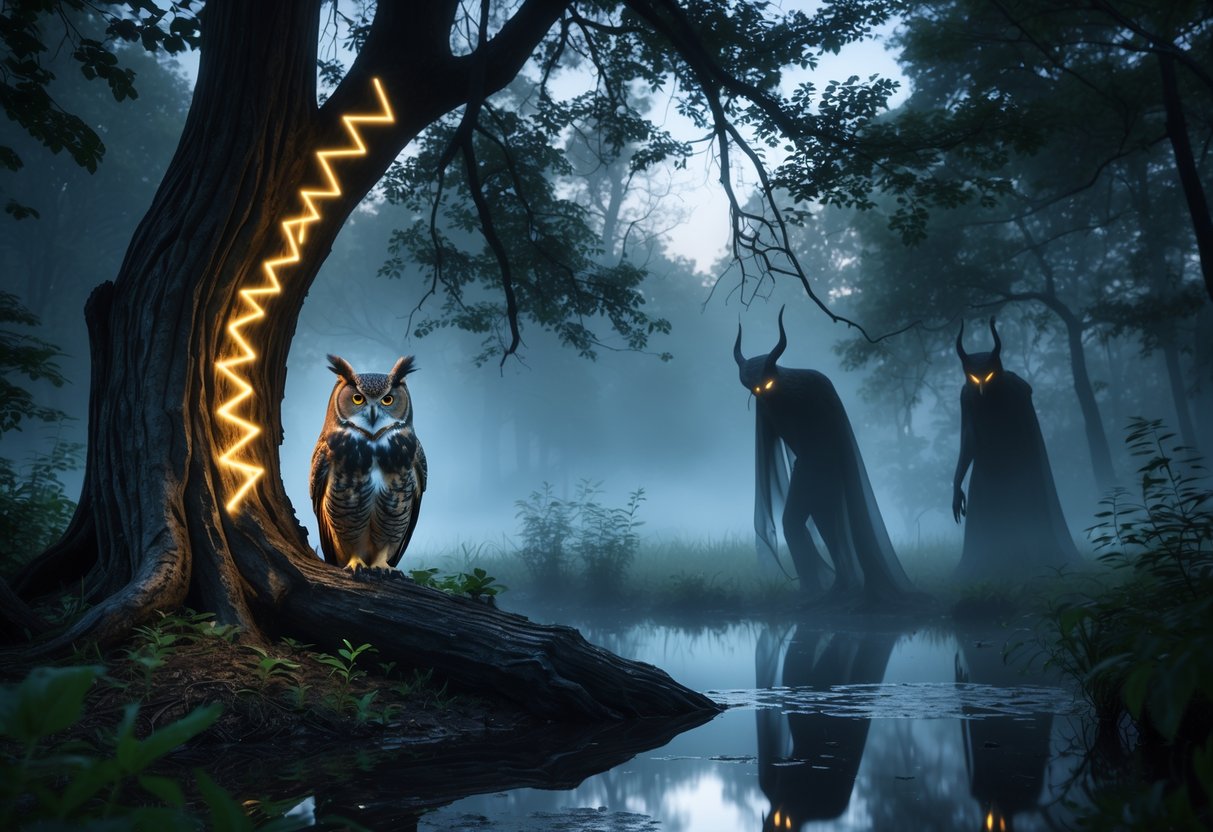
You’ll see demons in all kinds of forms—tiny bug-like critters, big beastly types, and everything in between. Some are friendly or hilarious, others pack a punch, and lots of them matter to the story in surprising ways.
As you get deeper into the series, you’ll notice how demons and witches interact, and how the show mixes magic with these oddball creatures. The world feels both strange and fascinating.
If you dig into the details about these demons, you’ll start to see how The Owl House stands out from other fantasy shows. The way it builds its universe is just… different, in a good way.
Maybe you’re here for the witches, or maybe the demon creatures caught your eye—either way, there’s a lot to discover if you keep your eyes open. For a breakdown of all the demon types and their roles, check out this detailed guide on The Owl House demons.
Demons and the Demon Realm in The Owl House

In The Owl House, demons show up as magical creatures living in a place called the Demon Realm. This realm bursts with odd life and connects closely to the Boiling Isles, where witches and demons share the same world.
You’ll meet all kinds of demons, get to know some of the main demon characters, and see how the Demon Realm shapes everything around it.
Demonic Creatures and Their Roles
Demons in the Demon Realm fall into three main groups: Bug, Biped, and Beast. Bug demons look like insects or worms, and they communicate by dancing.
They don’t have a lot of magic, but they can surprise you—take Hooty, for example. He looks like a worm (even though he’s attached to an owl house), and he’s got a little magic up his sleeve.
Biped demons walk on two legs and use magic a lot like witches do, thanks to a magic bile sac near their hearts. Some bipeds look pretty human—think of Eileen or Kikimora.
Beast demons act more like animals, such as the Snaggleback or griffins. Some of these beasts speak and seem pretty smart.
Most of the time, they act like regular animals in the Boiling Isles, but they still bring a magical vibe wherever they go.
Key Demon Characters: King, Hooty, and More
King stands out as a major character. He calls himself the “King of Demons,” but honestly, that’s just a mix-up from his past.
He’s tiny, cute, and dreams big. Hooty guards the Owl House door, and even though he looks like a weird worm-owl hybrid, he’s actually a Bug demon with a few magical tricks.
Other demons you’ll bump into include Vee, an owl beast, and the Snaggleback, a big, clever beast demon. These characters show off just how wild and varied demon life can be in the show.
They help fill out the world with all kinds of magical personalities.
Nature of the Boiling Isles and the Demonic Realm
The Demon Realm is a magical dimension, totally separate from the human world. The Boiling Isles sit inside the Demon Realm and serve as home for both witches and demons.
This place is packed with odd landscapes, creatures, and all sorts of magic.
Forget the usual ideas of hell—the Demon Realm feels more like a fantasy land full of monsters and magical beings. The Boiling Isles’ society mixes humans, witches, and tons of demon species under Emperor Belos’ rule.
Demons don’t really have their own government, but they’re everywhere and shape daily life on the Isles.
The Demon Realm stays mysterious and magical, playing a huge part in The Owl House on Disney Channel and Disney+. If you’re curious about demon types or the Demon Realm’s details, the Demon classification on The Owl House Wiki is worth a look.
Witches, Magic, and Representation

Magic in The Owl House isn’t just a neat trick—it shapes the characters and the world in ways that feel real and personal. You see it in Luz’s struggles as she learns magic, and in the way society at Hexside works.
The show blends classic witchcraft with its own rules and plenty of heartfelt moments.
Luz, Eda, and the Magic System
Luz Noceda, the main human character, stumbles into the Demon Realm and discovers she can actually learn witch magic, even though she wasn’t born a witch. You get to watch her figure out glyph magic—a kind of runic power—and slowly pick up more complicated spells.
Eda Clawthorne, Luz’s mentor, stands out as a powerful witch. She’s known for using wild magic, which is risky and unpredictable—definitely not for the faint of heart.
Witches here have magical bile sacs near their hearts, which lets them cast spells by drawing circles. This makes magic feel almost biological.
Eda’s wild magic shows how rules and risks shape who witches become. Luz changes a lot as she learns to control magic and carves out her own path in this world full of surprises.
Hexside School and Magical Society
Hexside School of Magic and Demonics gives you a look at how witch society works. It’s kind of a strict school, but also a place where social roles really matter.
You’ll meet students like Amity Blight from the Bard Coven, who deals with a lot of expectations but eventually finds her own strength.
At Hexside, magic isn’t just something you learn—it’s tied to your identity and your status. The covens teach different magical specialties, and the school enforces rules that reflect the bigger political and social issues in the Demon Realm.
Characters have to figure out how to fit in (or not) with this system, especially with Emperor Belos always in the background.
Diversity, Wild Magic, and Community Impact
The show gets a lot of love for its diverse characters and magic styles. You’ll notice strong LGBTQ+ representation, especially in relationships like Lumity (Luz and Amity).
The magic system, with glyphs and wild magic, celebrates differences and variety.
Wild magic, especially through Eda, stands for freedom but also danger. It shows that power always comes with a price, making the story feel deeper.
The community around Luz and her friends reacts to all these different kinds of magic with everything from fear to respect. That tension adds a lot to the relationships and keeps the story about acceptance feeling real.
Cultural Perception and Public Response
The Owl House really stirred up a passionate fanbase with its bold approach to witchcraft and magic. Dana Terrace, who had a hand in Gravity Falls too, created something that actually pushed Disney XD’s limits—especially with a queer protagonist and some surprisingly deep magical storylines.
Fans jumped in with petitions when Disney changed up the original third season plans. People started talking more about representation and how the show flips old ideas about witches and demons. Luz and Eda don’t fit the usual stereotypes at all. Instead, they bring this genuinely warm, almost playful perspective to witchcraft, which feels way more inviting than the usual myths and tired tropes.
Curious about the witches in the show? You might want to check out The Owl House Wiki.


