
People love to say owls are wise, probably because of those huge eyes and their mysterious nighttime routines. But honestly, that’s not really how it works. Owls don’t score very high on the bird IQ chart.
Their brains help them survive and hunt in the dark, not solve complex puzzles or invent new tricks.
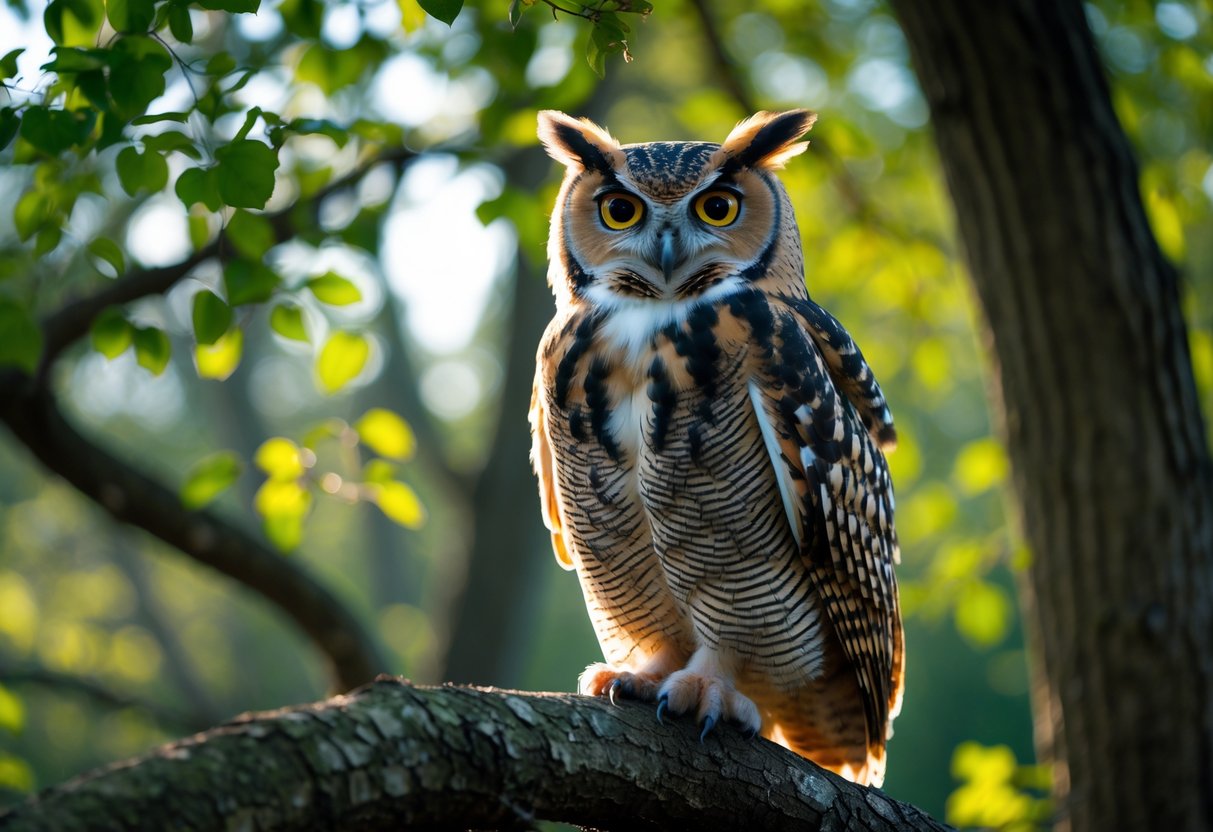
If you think intelligence means quick thinking or being great at problem-solving, owls are just… average. They rely on sharp hearing and vision to hunt quietly, not on learning new things or figuring out tough challenges.
So, owls are clever in their own way, but they’re not exactly the Einsteins of the bird world.
Still, you can’t deny how fascinating they are. Their special skills help them thrive at night.
Want to see how their talents stack up against other birds? Let’s dig in.
Are Night Owls Smarter? The Science Behind Intelligence

You’ve probably heard that people who stay up late—night owls—are smarter. Is that really true, though?
Researchers have looked into whether night owls actually do better on intelligence tests and what habits might support sharper thinking.
Studies Linking Night Owls and High IQ
Some studies suggest night owls tend to score higher on IQ tests than early birds. For example, people who stay up and wake up late often perform better on tests that measure reasoning and problem-solving.
So, if you’re a night owl, your brain might be a bit sharper.
One study even showed night owls had better cognitive function. They could think clearly and solve problems faster than morning people.
Of course, this doesn’t mean staying up late makes you smarter. But there’s definitely a strong link between late bedtimes and higher IQ.
Satoshi Kanazawa’s Evolutionary Hypothesis
Satoshi Kanazawa, an evolutionary psychologist, has an interesting theory. He thinks intelligence might lead people to become night owls—not the other way around.
In his view, smarter folks are more likely to stay up late because evolution favored flexibility and creativity at night.
Back when humans first evolved, staying up late was unusual. People who adapted to this “novel” behavior had an edge, so intelligent people were more likely to become night owls.
It’s a neat idea. Maybe that’s why you find more creative thinkers burning the midnight oil.
Lifestyle Habits of Night Owls Associated With Intelligence
Night owls often have habits that help keep their minds sharp. They might read late, work on creative projects, or tackle tough problems while everyone else sleeps.
They also tend to be more relaxed and less stressed, which is good for brainpower. Night owls often manage their time differently, focusing deeply during quiet hours.
Not everyone thrives at night, but those late-night bursts of focus and creativity might give night owls a mental edge over time.
If you’re curious about the science, check out this study on night owls’ cognitive function.
Personality Traits and Environments Associated With Night Owls

People who stay up late usually have different routines and spaces compared to morning folks. Your daily habits and environment can say a lot about how your brain works—and what you care about.
These differences might shape your creativity and how you handle mess or order.
Mess: Creativity and Disorderly Environments
If you’re a night owl, you might notice your space isn’t always neat. Studies show night owls often work well in a bit of mess.
Surprisingly, a little clutter can boost creativity and problem-solving for many night owls.
A messy environment might help your brain connect ideas in new ways. You don’t get distracted by keeping things too tidy.
Comfort with clutter could mean you’re more flexible and open-minded—traits that pop up a lot in night owls.
Night Owl Lifestyle Versus Early Risers
Night owls usually stay active late into the night. You might get your best ideas when it’s quiet and everyone else has gone to bed.
That’s pretty different from early risers, who prefer structure and get things done before breakfast.
Night owls often have their own social patterns, too. Maybe you go out later or work hours that don’t match the typical 9-to-5.
These habits make life feel unique, but they can be tricky when most jobs and events start early.
Comparing Morning Types and Night Owls
Morning types—early risers, really—seem to love order and routine. They wake up early, stick to their schedules, and usually keep things tidy.
Honestly, their lifestyle can make it easier to stay on track and focus. Maybe that’s why some people swear by their morning rituals.
But if you’re a night owl, you probably lean into flexibility and change. Creativity? Intelligence? You might notice those spark up more when routines aren’t so strict.
Instead of building your day around habits, you might adapt on the fly and find that working late just… works better.
| Trait/Factor | Night Owls | Early Risers |
|---|---|---|
| Active time | Late evening, night | Morning, early afternoon |
| Environment | Disorderly, creative spaces | Clean, organized spaces |
| Lifestyle preference | Flexible, less structured | Structured, routine-focused |
| Social habits | Late social activities | Early social or work events |


