
So, you’ve been seeing owls pop up in your life—maybe in your dreams, or just out there in the real world. And you’re probably wondering: what’s going on? Owls usually stand for wisdom, guidance, and that gentle nudge to trust your gut when things are shifting. Sometimes, it feels like they’re keeping an eye on you, or inviting you to dig a little deeper into your own story.
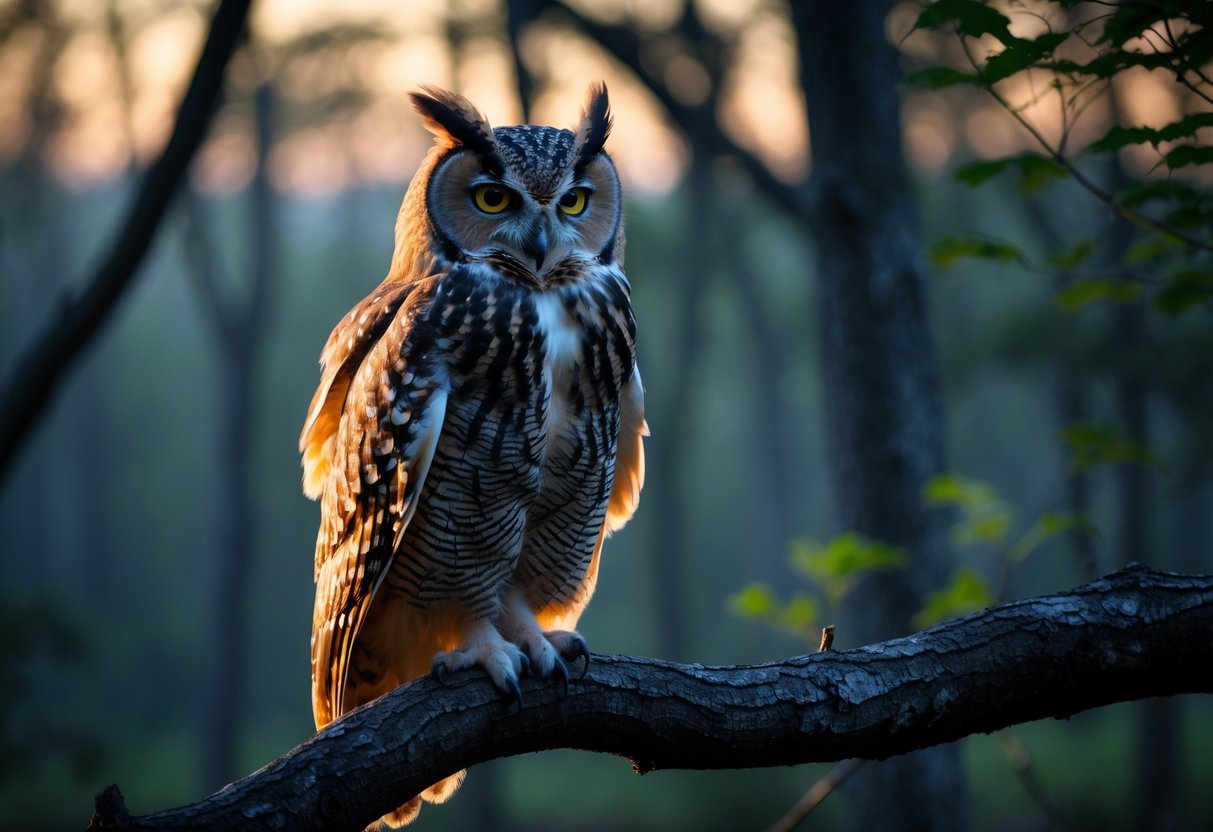
Owls seem tied to secrets and truths that aren’t out in the open. Maybe they’re pushing you to face something you’d rather not deal with.
They tend to show up when you’re at a crossroads or about to make a choice. If you pay attention, these moments with owls can give you a bit more confidence—or at least, a sense of clarity about what’s next.
Owls can also stand for transformation or a fresh start, especially when things feel shaky. There’s something hopeful about that.
Trying to figure out what an owl wants to tell you might just open your mind to new ways of looking at your life. If you’re curious about these mysterious birds, stick around.
Decoding the Meaning Behind Owl Encounters
Spotting or hearing an owl isn’t always random—it can feel like a message. These moments might steer you toward wisdom, warn you about changes, or even connect you with old stories and traditions.
Your experience with an owl, whether it’s a great horned owl or an eastern screech-owl, can mean something unique, depending on where you are and how you feel about it.
Spiritual and Symbolic Significance of Owls
People have always seen owls as symbols of wisdom and insight. If one shows up, maybe it’s telling you to trust your instincts.
Since owls hunt in the dark, they kind of represent seeing through confusion or finding your way when things aren’t clear.
A lot of folks think owls guide us when life is changing. The great horned owl, for example, often stands for facing your fears or transforming something in your life.
When you notice an eastern screech-owl hanging around, its calm presence could be a quiet reminder to reflect or just breathe during tough times.
If you get the sense that an owl is watching over you, maybe you’re feeling a bit of spiritual support. That feeling might push you to trust yourself more and notice things you’ve missed.
Owl Sightings as Omens or Warnings
Sometimes, owls show up as a sign that something big is around the corner. If you see an owl during the day, some say it could mean someone close to you is nearing the end of their journey.
Hearing an owl hoot might be a heads-up to pay attention to what’s going on around you. It’s almost like a nudge to tune in and notice what you’ve been ignoring.
Your run-in with an owl could make you think about what you might be avoiding. The way an owl moves—so quietly—might be a hint to listen more closely to what’s happening in your world.
A lot of people see owls as protectors, almost like they’re warning you or helping you through rough patches. If you feel a strong connection during an owl sighting, those warnings can feel even more real.
Cultural and Historical Views on Owls
Cultures all over the world have their own takes on owls. In Native American traditions, people respect the great horned owl as a strong spirit that brings wisdom and protection.
Some tribes see the owl as a messenger between this world and the next. In ancient Europe, people sometimes feared owls, thinking they brought bad luck or news of death.
But folks also admired them for their sharp senses and hunting skills. Your own experience might tie back to your family’s stories or the way owls show up in your region.
The eastern screech-owl’s nighttime calls, for example, once had a reputation for being magical or even lucky in small towns.
Digging into these cultural stories can give you a new perspective on your own owl encounters. It’s pretty wild how these birds connect old beliefs with what’s happening in your life right now.
Recognizing Owl Behaviors and Communication

Owls don’t just talk with their voices—they use all kinds of sounds and movements to get their point across. If you watch closely, you’ll notice their calls, the way they move their heads, and even which species decides to visit you.
These little details can clue you in on what the owl might be trying to say.
Owl Vocalizations and Their Messages
Owls have a whole range of calls. Take the eastern screech-owl—it makes this sharp k-r-r-r-r-ick sound to announce itself or warn others.
They also use softer hoots, maybe to attract a mate or just to let everyone know they’re around. Each sound means something different.
A loud, repetitive call might be the owl marking its territory. But a fast, sharp call could be a warning about danger.
If you listen carefully, you can pick up on whether the owl feels stressed, is out hunting, or just wants to say hello.
Visual Body Language and Ear Tufts
Owls move their heads a lot, almost like they’re trying to get every angle on what’s happening. You’ll see them bob or twist their heads to focus on a sound or a movement.
This helps them find prey or stay on guard. Those ear tufts on the great horned owl? They’re not ears at all.
They’re just feathers, and owls use them to show how they’re feeling or to hide in plain sight. Raised tufts usually mean the owl feels alert or wants to look bigger.
When the tufts are down, the owl is probably relaxed—or at least not too bothered.
Understanding the Presence of Specific Owl Species
Spotting different owl species can actually tell you quite a bit about your surroundings. If you notice a great horned owl hanging around your neighborhood, chances are, there’s a solid food supply nearby.
These owls go after a wide range of prey, so their presence suggests the area supports a healthy population of small animals. On the other hand, eastern screech-owls are much smaller and tend to stick close to trees or patches of woodland.
If you see one, it might mean the ecosystem there is doing pretty well. Paying attention to which owl you spot gives you a window into what’s happening in your environment and maybe even what the owl feels or needs.
Curious about owl sounds? You can check out learn to identify owl calls for more.


