
Ever wondered when owls hoot the most? Well, you might be surprised. Owls usually hoot just before sunset and then again just before sunrise. These quiet, in-between times are when they get the most vocal, either calling to each other or making it clear whose territory is whose.
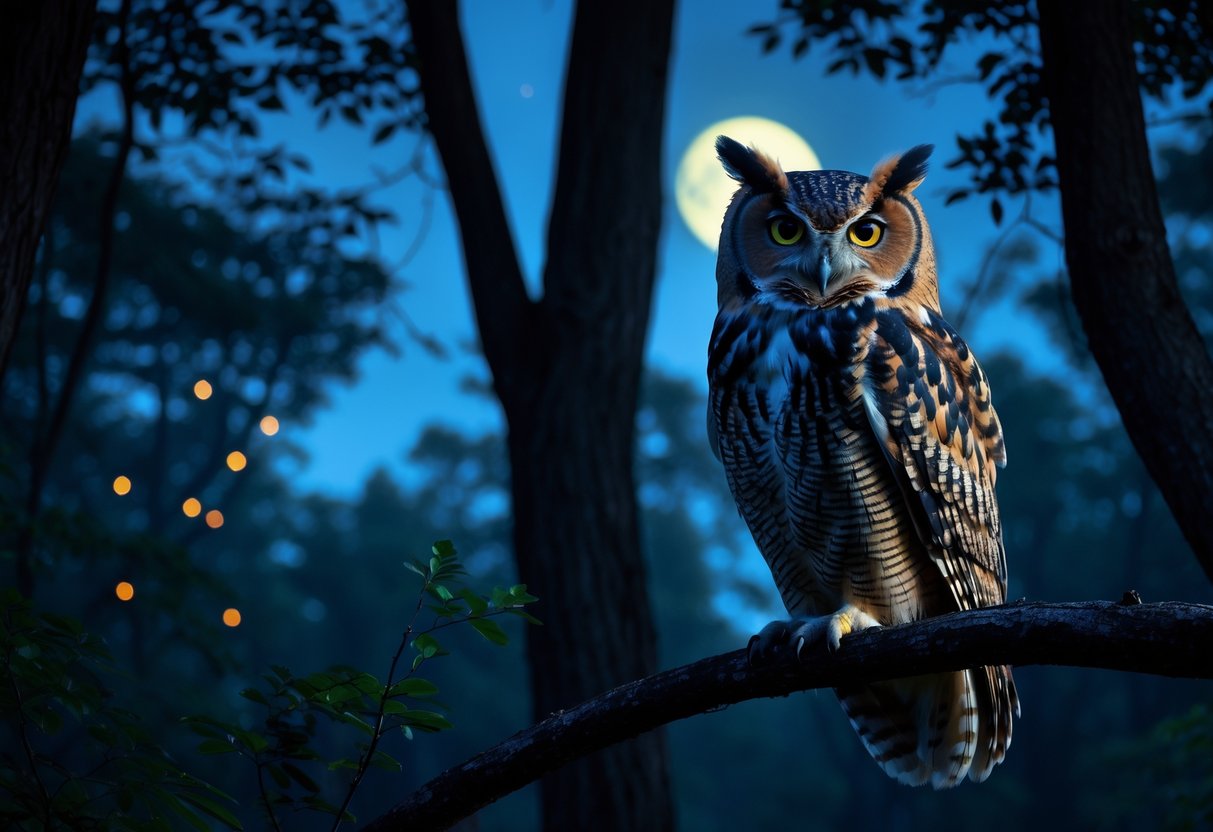
You might catch owls calling during late evening, especially in late winter when they’re out looking for mates. Most owls keep quiet during the day, but you’ll sometimes hear the odd hoot in daylight—though that’s not the norm.
If you’re hoping to hear an owl, try heading out at dusk or dawn. Those are your best bets for catching their calls and maybe learning a bit about what they’re up to.
When and Why Owls Hoot Most Frequently

Owls hoot the most when they want to claim territory, find mates, or just talk to each other. The timing and style of their calls shift depending on the day and the season. Each owl species has its own way of using hoots, fitting its habits and needs.
Nocturnal Hooting Patterns
Most owls, like the great horned owl and barred owl, do their hooting at night. Their calls sound clearer on cold, still nights since the sound travels farther. That’s when they’re busy defending turf or looking for a mate.
Some owls get loud in the middle of the night, while others start up at dusk or right before dawn. When you hear those repetitive hoots, it’s usually an owl saying, “Hey, this is my spot.” Barn owls and screech owls call at night too, but their sounds are softer.
Twilight and Dawn Activity
Owls often kick off their hooting at twilight or just before dawn. You’ll notice this with great horned owls in particular. Sometimes their calls even remind people of a rooster, only a lot more mysterious.
During these hours, owls check on their territory and let others know they’re around. With fewer birds making noise, their calls really stand out. The elf owl sometimes calls at dawn too, mostly to defend its nest.
Seasonal Breeding and Vocalization Peaks
Owls get a lot more vocal in late winter, and sometimes in autumn. That’s when they’re searching for mates and picking out nesting spots. Late winter is often called the peak hooting season because owls call more often to attract partners.
You might hear young owlets begging for food near the nest, which adds to the nighttime sounds. Each species follows these patterns a bit differently, depending on where you live. For example, great horned owls start hooting in January and February. Some years, autumn brings extra hooting as owls settle in early for breeding.
Want to know more about why owls get loud in late winter? Check out the hoot season guide.
Differences in Hooting Among Owl Species
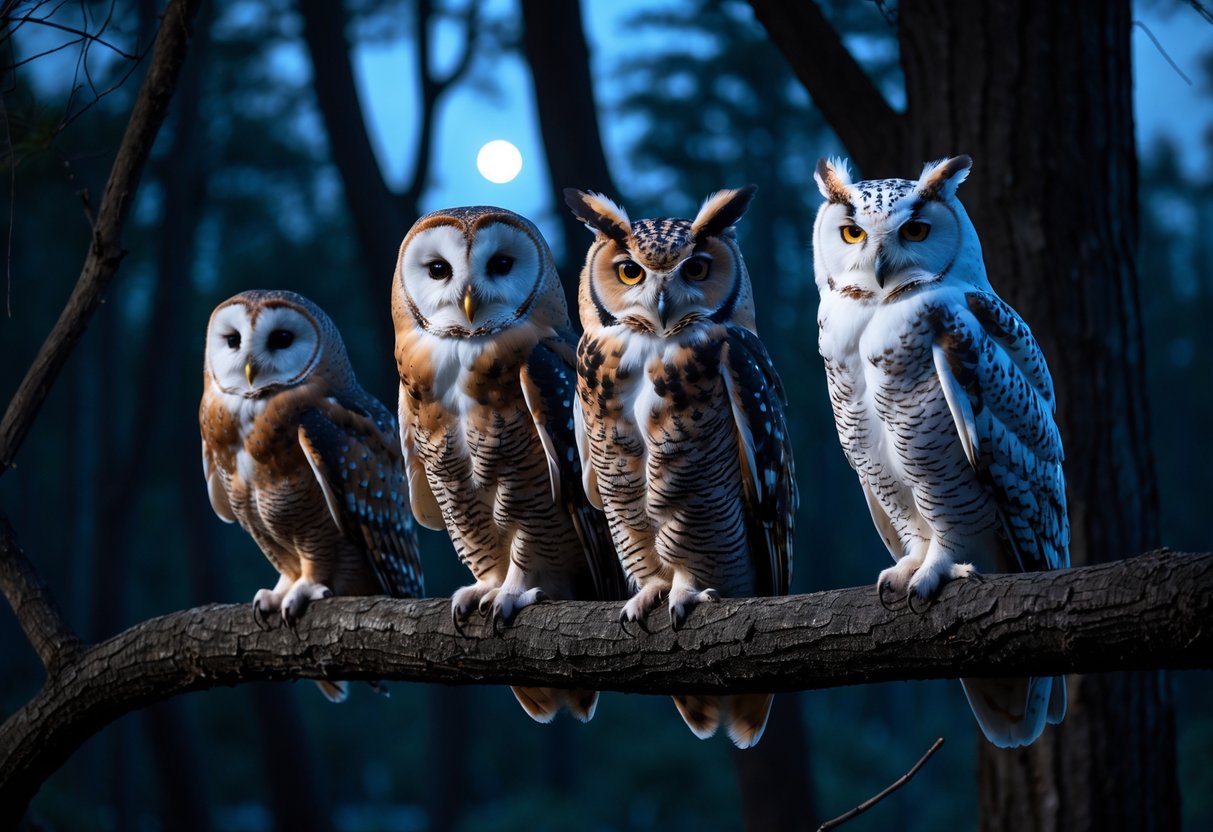
Owls use their hoots in different ways, depending on their species, shape, size, and where they live. Their calls change in pitch, sound, and purpose. Some hoot to claim territory, while others use calls to find mates or just check in with each other.
Characteristic Hoots of Popular Species
Each owl species has a hoot you can learn to recognize. The Great Horned Owl has that deep, slow “hoo-hoo-hoo” sound. Barn Owls don’t really hoot—they screech and hiss, which can be a bit eerie at night.
Screech Owls make sharp, whistle-like hoots that sound fast and high. The tiny Elf Owl gives off soft, rapid hoots that you probably won’t hear unless you’re close by. If you spot a Great Horned Owl, you’ll notice its low hoots and those ear tufts that make it look “horned.”
How Physical Traits Affect Hooting
An owl’s size and shape affect how it sounds. Bigger owls like the Great Horned Owl belt out deep, booming hoots, thanks to their larger voice boxes. Smaller owls, like the Elf Owl, stick to higher, softer calls.
Ear tufts don’t help owls hear, but they might change how their calls echo. Owls without ear tufts, like Barn Owls, often make screeches or hisses instead of hoots. Whether you hear an owl’s call depends a lot on these physical quirks.
Habitat Influence on Owl Calls
Where an owl lives definitely shapes its hoots. In thick forests, owls might hoot more quietly or keep their sounds short. That way, they don’t tip off prey or attract predators.
If you’re out in open spaces, you’ll probably notice owls using longer, stronger hoots. Those calls travel farther, which just makes sense.
Now, in cities or anywhere near people, some owls change things up. They might call less often, or choose odd hours to hoot. It’s honestly fascinating how much the environment changes their habits.
If you’re curious about owl hooting, understanding their habitat really helps. You’ll get why their calls sound a certain way—and maybe even know the best time to listen.
For more on owl hooting habits, take a look at the Great Horned Owl’s calls.


