
Ever wondered why owls get so loud after dark? It’s not just random noise out there. Owls hoot to mark their territory, attract mates, and warn others of danger.
This nighttime calling lets them communicate in the dark, especially when most other animals stay quiet.

You’ll probably notice owls sounding off more in the fall. That’s when they’re setting up their spaces and searching for partners.
Their hoots can even act as practice, keeping their vocal skills in shape.
If you listen carefully, you’ll catch different types of calls, each with its own purpose. Learning why owls hoot might give you a new appreciation for these mysterious nighttime neighbors.
For more on owl calls, check out why owls get loud in fall.
Main Reasons Owls Are Loud at Night
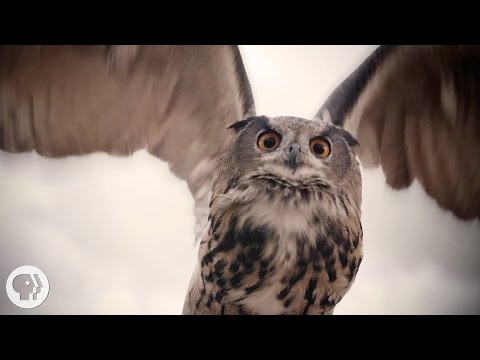
Owls use their hoots and calls for a few big reasons, like marking their territory and attracting mates. Each species has its own sound, so if you listen closely, you can tell them apart.
Sometimes, their calls get loud, depending on what they need to say.
Communication and Territory Marking
When you hear an owl hooting at night, it’s probably telling other owls to stay away. Male owls, like the great horned owl and barred owl, will sit in their territory and make rhythmic hoots.
That’s their way of showing the area is already claimed.
Territory marking helps them avoid fights. Their hoots get loud enough to reach farther across the forest or even into neighborhoods.
You’ll often hear more hooting where lots of owls live close together.
Mating and Breeding Season Vocalizations
During breeding season, owls really turn up the volume at night. You might catch extra hoots, shrieks, or calls as males try to impress females.
Owls like scops owls and screech owls use these sounds to show off their health and strength.
Mating calls help pairs find each other and build their bond. You’ll notice more hooting in spring or autumn, when they’re gearing up to mate or raise young.
This extra noise also helps young owls learn and eventually find their own territory.
Differences in Owl Species Calls
Each owl species makes its own kind of noise. The great horned owl has a deep, steady hoot, while barn owls let out a high-pitched scream.
Barred owls often give a series of hoots that go up and down.
Scops owls call softly and quickly, unlike screech owls, which can be loud and a bit harsh. These differences help owls recognize each other and avoid mix-ups.
If you hear owls at night, knowing the species can explain why some calls seem louder or more frequent.
You can learn more about why owls hoot at night from this detailed source on owl communication and behaviors.
How Nighttime Owl Sounds Differ and Influence the Environment

When owls call at night, you’ll hear a lot of variety between species. Their calls tell you where an owl lives and what it’s up to.
These sounds mix with other nighttime noises, making the night feel alive. Owls really shape this nighttime soundscape, helping us understand how nature works after dark.
Common Nocturnal Calls by Species
Different owls have their own calls. The Great Horned Owl hoots in a deep, steady rhythm—honestly, you’ve probably heard it in movies.
The Barred Owl does a “who-cooks-for-you” call that sounds oddly like a question. The little Screech Owl makes a sharp, trilling noise, almost like a tiny scream.
The Barn Owl doesn’t hoot at all—it lets out a harsh, eerie scream that carries well at night. That call warns others to stay away.
These sounds help owls claim territory, attract mates, or signal danger.
Comparisons to Other Nocturnal Animals
Owls aren’t the only noisy ones out there at night. You might hear common nighthawks buzzing or making “peent” calls as they fly.
Coyotes howl in groups, sending out clear signals that they’re around. Raccoons add their own chatter and clattering as they rummage for food.
Compared to these animals, owls sound more rhythmic and steady. Their deep hoots or sharp screeches are usually easier to pick out.
Other raptors, like hawks, stick to hunting during the day, so owl sounds really stand out in the nighttime air.
Owls’ Role in the Nighttime Soundscape
Owls keep the balance at night by signaling territory and warning others about threats. When they call out, some smaller animals go quiet, but a few might actually draw closer.
If you hear an owl hooting, it’s probably staking out its hunting area. That hoot also says, “Hey, I’m healthy and ready to mate.”
It’s kind of fascinating—owls really shape the whole nighttime vibe. Their voices influence what other animals do.
If you listen closely, you might pick up on little clues about the secret lives of your local owls. There’s a lot going on in that silent, busy world.
For more on owl sounds and behavior, check out Why Do Owls Hoot?


