
Hearing an owl can mean all sorts of things, honestly—it really depends on where you are and what you believe. Some folks see owls as wise and lucky, while others get a little spooked and think their hoots might be a bad sign.
Whether hearing an owl is good or bad luck? That’s mostly about your own culture and what you personally believe.

If you live somewhere that links owls to the spirit world or mystery, you might feel a weird mix of curiosity and caution when you hear one at night.
In other places, an owl’s hoot could mean change is coming—or maybe it’s a sign of protection, or even a warning.
Maybe you’ve wondered if that owl outside your window is just being noisy, or if it’s a special message meant for you.
It helps to understand the different meanings people give to owls so you can decide for yourself what to make of those calls.
Learn more about how people see owls and what their calls might mean for you.
Is Hearing an Owl Good Luck or Bad Luck?

Depending on where you are, hearing an owl can mean different things. Some people take it as a warning or a sign of bad news, but others think it brings wisdom or even protection.
The kind of owl you hear—like a great horned owl or a barn owl—can also change what it means to you.
Superstitions and Omens Around the World
In a lot of places, people tie owls to superstitions. For example, in Arabian and Iranian cultures, folks often see an owl’s call as a bad omen.
Some believe it means bad luck or trouble could be coming.
But in India and parts of Asia, a barn owl’s hoot—especially if you hear it nine times—can mean good luck and fortune.
People there sometimes keep images of owls around as protective charms.
In Europe, the meanings get complicated. Some legends say owls bring warnings, but others connect them to wisdom or even good harvests.
Death and the Owl: Legends and Folklore
Stories about owls and death pop up everywhere. In Native American tribes and some African and European traditions, hearing a great horned owl at night often means bad news or even death.
Back in Roman times, people thought an owl’s hoot could predict death—sometimes even for someone important.
Some tribes believed an owl near the house meant danger for family members.
But not every story paints death as all bad. In some cultures, people see owls as spirit guides or protectors, helping souls move on after life.
Positive Meanings: Wisdom and Protection
Owls don’t just get a bad rap—they’re also seen as wise and protective. The ancient Greeks linked the owl to Athena, their goddess of wisdom.
So, owls became a symbol of knowledge and cleverness.
If you hear an owl near your home, it might just mean the bird is helping out by eating pests like rodents.
Barn owls especially can keep unwanted critters away from your property.
Some people believe owls bring good luck or guard against evil spirits.
You might even see owl figures in homes, meant to keep away harm or bad energy.
Cultural Beliefs and Owl Symbolism
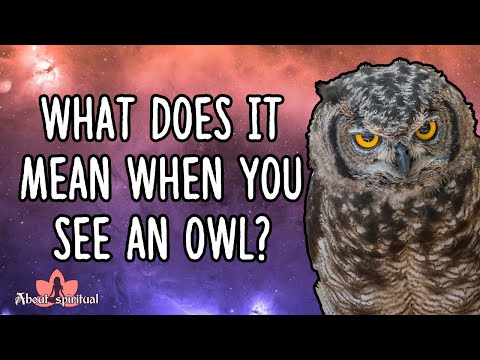
When you hear an owl, what it means can shift wildly depending on where you are or what you believe.
Some folks see owls as signs of wisdom or protection, while others think they bring bad luck or danger.
The way people view owls has deep roots in old stories and local beliefs.
Ancient and Historical Perspectives
Back in the day, lots of cultures linked owls to mystery and the unknown.
In Greek mythology, for example, the owl stood for Athena, the goddess of wisdom.
That made owls—especially the barn owl—a sign of knowledge and protection.
But not everyone saw it that way. Some ancient cultures thought owls brought bad luck or even death.
In ancient China, people sometimes saw owls as omens of trouble or sickness.
So, owls could mean good or bad things, depending on the story or where you looked.
Owls in Modern Culture and Media
Today, we still hang on to a lot of those old ideas about owls, but we’ve mixed in some new ones too.
You’ll see owls pop up as wise creatures in books and movies—think about the Harry Potter series, where owls deliver messages.
Still, some folks get creeped out by owls, especially if they hear that haunting hoot at night.
Their silent flight and glowing eyes only add to the spooky vibe.
If you look at all these views, you can start to see why owls are both loved and feared in stories today.
Native American and Regional Views
When you look at Native American cultures, you’ll notice that owls mean different things depending on the tribe. Some tribes treat owls as protectors or guides.
Others think owls warn of death or danger. Take the barn owl, for example—some Native Americans see it as a sign of change or transition.
Beliefs about owls shift a lot from one place to another. It’s honestly fascinating how much owl symbolism can vary, even within the same region.
If you’re curious, check out Native Americans and Owls to dig deeper into these perspectives.


