
So, how rare is it to see an owl in the UK? Honestly, it depends on which owl you’re hoping to spot and where you’re looking.
Tawny owls, for example, are actually pretty common—there are about 50,000 breeding pairs scattered around the country.
But if you’re after something like a short-eared owl, you’ll have a tougher time. There are only a few hundred to a couple thousand pairs breeding here, so those sightings feel special.
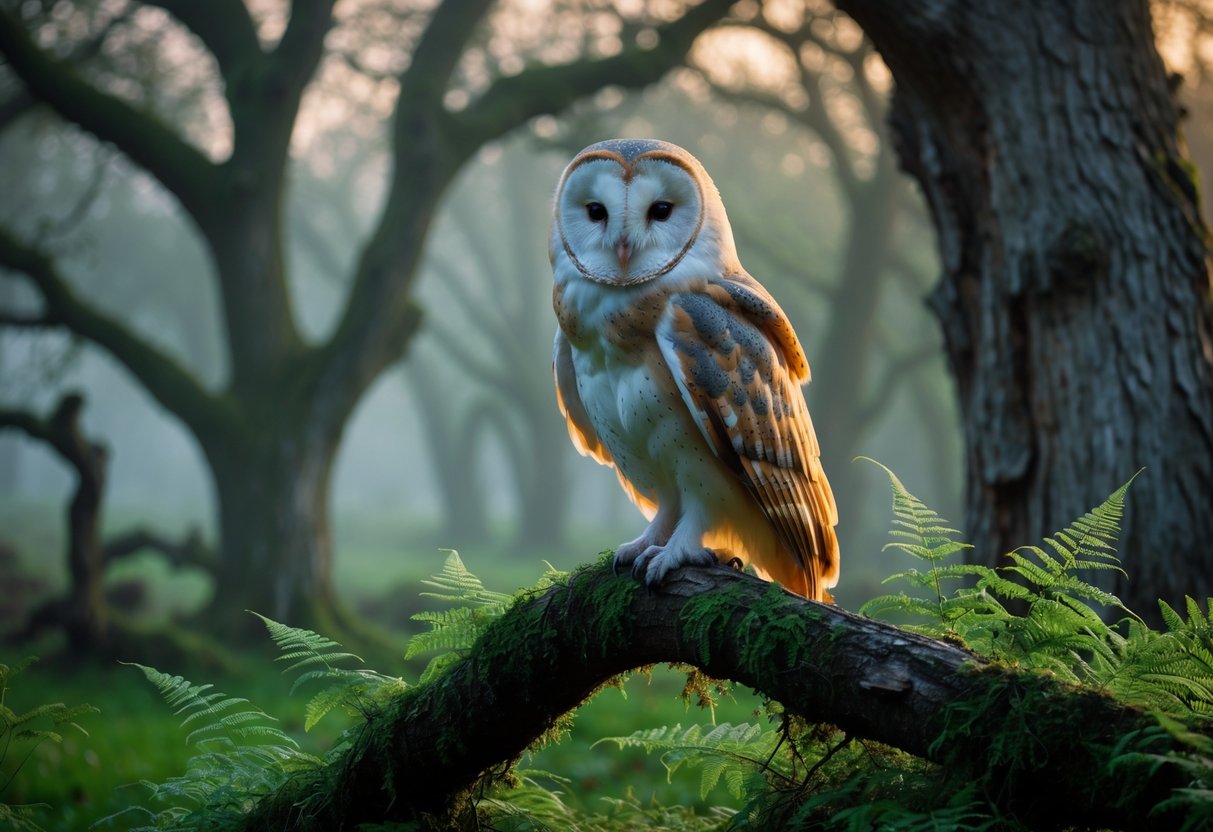
You might hear an owl at night, but seeing one is a different story. Most owls are nocturnal and really good at staying hidden.
If you want a chance to spot one, try mature woods, open countryside, or marshes. The type of owl you’re looking for makes a big difference.
Sometimes, you’ll be surprised how often you come across an owl if you know where and when to look.
Owls have this mysterious vibe that makes spotting one feel like a little adventure.
Learning where they hang out and what calls to listen for can make owl-watching a lot more fun.
Maybe you want to hear that classic “twit-twoo” or catch a glimpse of a heart-shaped face gliding by—either way, there are ways to connect with these fascinating birds in the UK.
If you’re curious about finding owls or want to learn more about their habits, check out this guide on finding owls in the UK.
How Rare Is It To See An Owl In The UK?
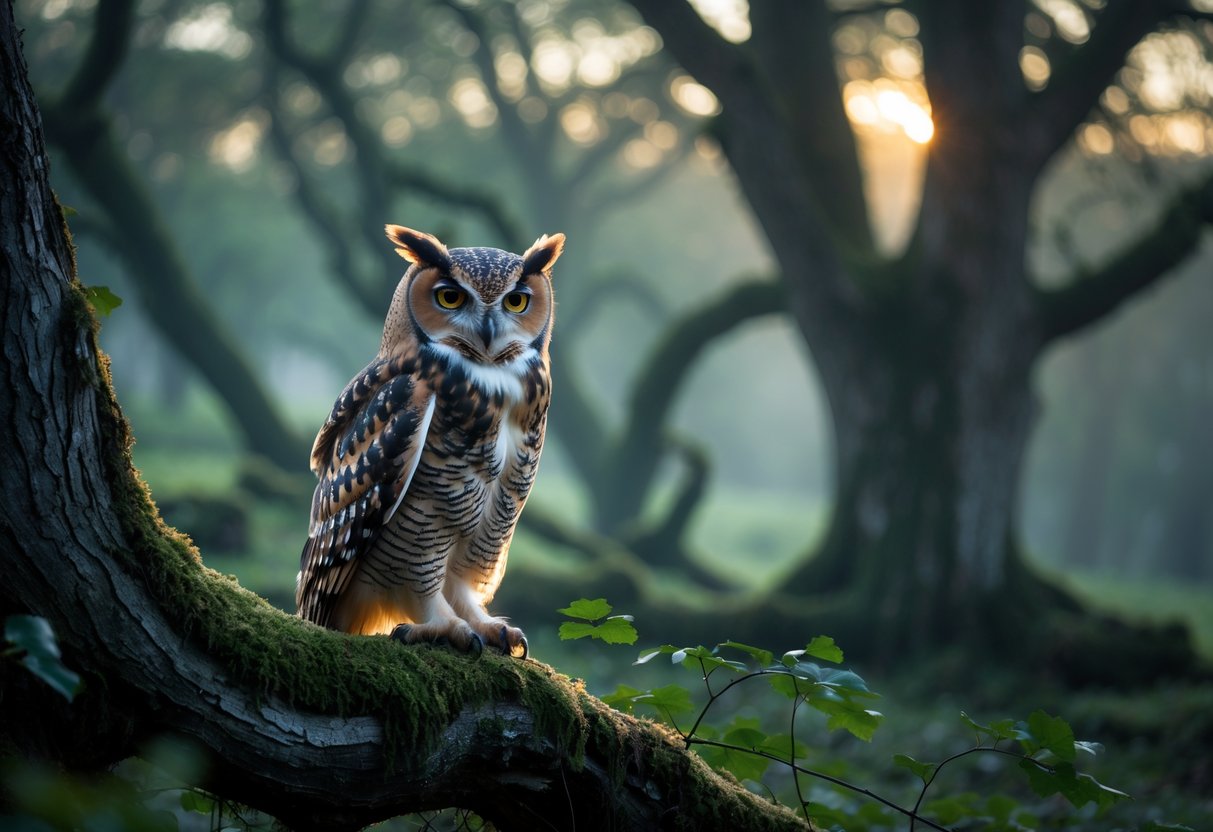
Spotting an owl in the UK can feel like a real treat, especially since some species are common and others are much rarer.
Your odds depend on which owl you’re after, where you are, and even what time of year it is.
Some owls seem to show up more often, but others stay out of sight.
Barn Owl Sightings in the UK
Barn owls are probably the most familiar owls in the UK, but that doesn’t mean they’re easy to find.
There are about 4,000 pairs here, which is a lot less than tawny owls.
If you want to see one, look around open countryside, farms, or old barns.
The Barn Owl Trust works to protect these birds and shares advice on spotting them safely.
Birdwatchers like Matt Evans and Pete Mantle have seen barn owls near Hampstead Heath and other green spots in London.
You’ll have better luck at dusk or dawn, when barn owls are out hunting small mammals.
Joining a local birdwatching group or following updates from Camden New Journal can give you tips about where and when to look.
Factors Affecting Owl Visibility
A few things can make it easier or harder to see an owl.
Most owls are nocturnal, so they’re active at night. That makes daytime sightings pretty rare.
Weather, habitat, and the time of year all play a part too.
If you’re after rarer species like the long-eared or short-eared owl, you’ll need more patience. They have smaller populations and keep to themselves.
Owls avoid noisy or bright places, so peaceful, quiet spots are your best bet.
You can improve your chances by listening for their calls or watching for movement at twilight.
Birdwatchers like Reuben Braddock say you need patience and silence to spot owls.
Binoculars and a red-filtered flashlight help you see without scaring the birds.
Unusual Urban Occurrences
Most owls stick to rural or woodland areas, but sometimes they turn up in cities like London.
People have reported barn owls near Hampstead Heath, which shows that some owls adapt to urban parks and green spaces.
Urban owl sightings are always exciting for city birdwatchers.
Matt Evans, who watches birds locally, has shared stories about barn owls showing up in surprising city spots.
These moments don’t last long because the owls get spooked and head for quieter places.
If you’re in the city, try looking at big parks or open fields around dusk.
Following local birdwatcher groups or checking the Camden New Journal can help you hear about rare city owl sightings.
Barn Owl Population and Conservation

Barn owls stand out with their heart-shaped faces and buff-colored backs.
Their numbers have gone up and down over the years, and they face some real challenges.
Still, several groups work hard to give barn owls a fighting chance in the UK.
Current Barn Owl Numbers
Right now, the UK has about 4,000 pairs of barn owls, but that number can shift by as much as 30%.
People keep track of many nests each year, with thousands recorded.
Barn owls like open farmland, where they hunt small birds and rodents at night.
Mild winters have helped more barn owls survive, so the number of active nests has increased lately.
But the average number of chicks per nest stays about the same, so the population isn’t growing super fast.
You’re most likely to spot barn owls in places with old barns or fields that give them good shelter.
Key Threats and Survival Challenges
Barn owls deal with a lot of problems that make life tough.
Traffic is a big danger—owls hunting near roads often get hit by cars, which kills many each year.
Their homes are shrinking too. Changes in farming mean there are fewer old buildings and open fields for hunting.
Chemicals like DDT used to hurt owls by making it hard for them to breed, though that’s banned now.
Losing nesting sites and not finding enough food also makes survival harder for barn owls.
Conservation Efforts and Organizations
Plenty of groups across the UK step up to protect barn owls. The Barn Owl Trust, for example, focuses on saving habitats and putting up nest boxes.
These artificial homes give owls a safe spot to raise their young. Local groups also keep an eye on nests and team up with farmers to make sure fields stay good for hunting.
If you want to help, try looking out for owls and supporting conservation projects. When we protect barn owls, we’re really protecting their homes and food, making it possible for them to keep gliding silently overhead.
You can learn more about barn owl populations and conservation here.


