
When you hear an owl outside your house, it usually means the bird found a nice spot nearby and wants everyone to know it. Owls hoot to say, “Hey, this is my place,” or to chat with other owls.
Some people say hearing an owl is a sign of wisdom, protection, or maybe a message from spirit guides.
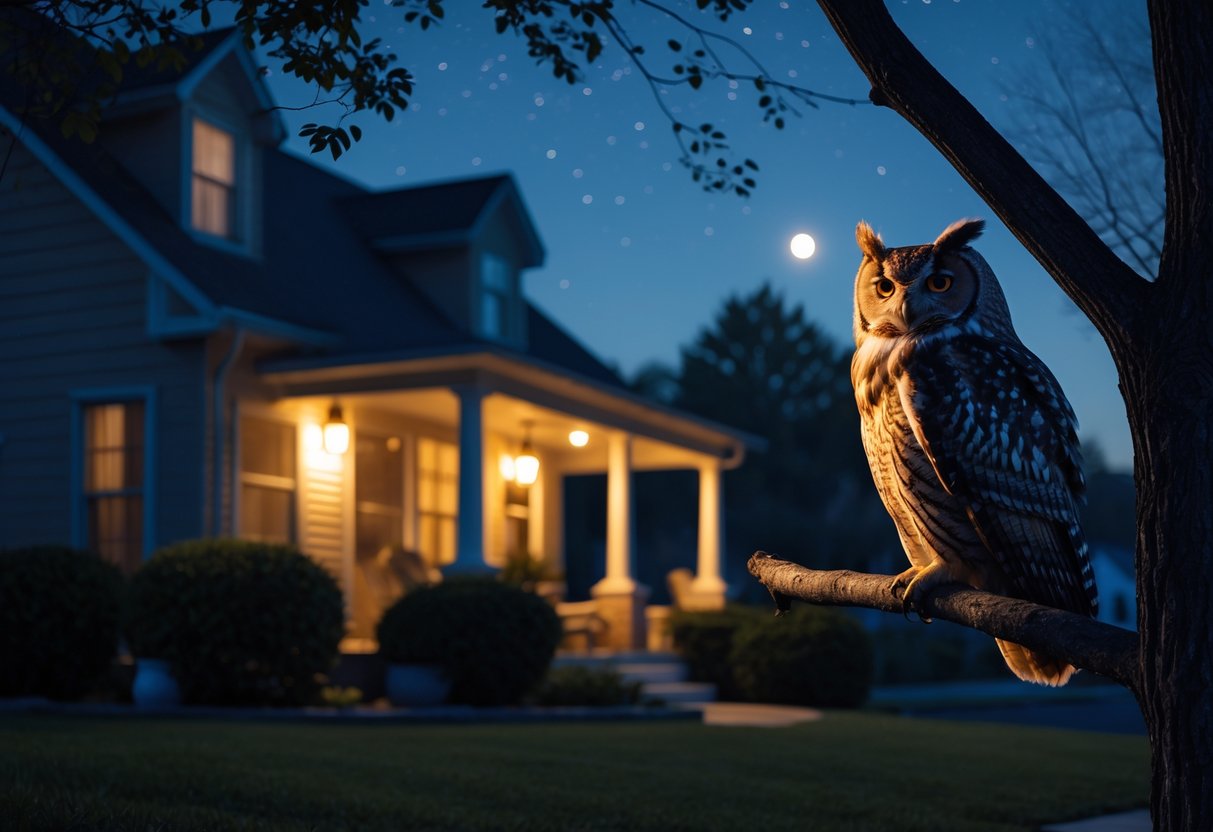
People sometimes view owls as symbols of change or transformation, so their call might hint that something big could be coming your way. Others believe owls bring good luck and a sense of calm, especially if you hear them at night.
Depending on your background or beliefs, owls can mean different things. Maybe it’s a sign of prosperity, a nudge from the universe, or just a feathered neighbor making noise. Paying attention to an owl’s call can help you feel more connected to what’s happening around you.
If you’re curious, there’s plenty more to learn about what it means when you hear an owl nearby.
What Hearing an Owl Outside Your House Could Mean

Hearing an owl near your house can mean different things depending on your culture, beliefs, or even just the situation. Maybe it’s a message about change, wisdom, or protection—or maybe it’s tangled up in old myths. Understanding these ideas might help you figure out what that sound means for you.
Cultural and Superstitious Interpretations
Lots of cultures see owls like the great horned owl or barred owl as omens or signs. At night, people often link owls to wisdom and protection.
Some folks believe a hoot after dark means peace or good luck is coming.
But if you hear an owl during the day, that can feel different and sometimes people see it as a warning or even a bad omen. Since owls usually sleep during the day, their calls in daylight seem strange and maybe a little spooky.
You might run into old superstitions that say an owl hooting outside your window means you should watch out for changes or keep your eyes open. Some even think the owl is watching over you or sending a message about your life’s direction.
Spiritual and Symbolic Meanings
For many, owls act as messengers between worlds. Their hoot might be a sign to trust your gut or get ready for a new insight.
If you hear a barred owl, maybe it’s time to face a fear or learn something new.
Owls symbolize transformation and the unknown, since they live in the dark and see what others can’t. Hearing an owl could mean you’re about to see things more clearly or discover something hidden.
If an owl hoots near your window, some believe it means guidance or important info is on the way. Nature has a funny way of sending messages, and an owl’s call might remind you to listen to your intuition.
Common Myths and Misconceptions
People often say an owl’s hoot always means something bad, like death. Sure, some cultures see it that way, but most of the time, owls stand for wisdom or protection.
So if you hear a hoot outside, it doesn’t mean doom is coming.
It’s easy to mix up other bird calls with owls. For example, mourning doves can sound a lot like an owl’s hoot. Double-check the sound before jumping to conclusions—maybe it’s a great horned owl, or maybe it’s not an owl at all.
There’s also a myth that owls only hoot at night. While they’re mostly nocturnal, some owls do call during the day, especially if something disturbs them or they’re defending their space. That’s just normal owl stuff, not a sign of bad luck.
If you know the facts, it’s easier to relax and enjoy the sound of these awesome birds. Want to dig deeper? You can read more about owl hooting meanings.
Understanding Owl Behavior and Presence Near Homes

If you hear owls near your house sometimes, there are some pretty simple reasons for it. Their calls mean different things, and these birds actually help keep nature in balance.
Why Owls Are Attracted to Residential Areas
Owls come near homes because they find food and safe places there. Mice, rats, and bugs hang out in gardens and parks, making easy meals for owls like the great horned or barred owl.
Tall trees and quiet corners around your house give owls great spots to perch or nest. If you’ve got old barns or big trees, don’t be surprised if an owl claims that territory.
When you hear an owl hooting outside, it’s usually marking its area and telling others to back off.
Identifying Local Owls by Their Calls
You can often figure out which owl is nearby just by listening. The great horned owl has a deep, booming hoot—kind of like “hoo-hoo hoo-hoo”—that echoes at night.
Barred owls make a call that sounds almost like “who cooks for you? who cooks for you all?”
Learning these sounds helps you know which species you’re hearing. Just remember, some other birds (like mourning doves) can trick your ears.
It helps to listen closely or compare what you hear with recordings online.
The Ecological Role of Owls
Owls do a lot to keep pests in check around your home. They hunt rodents and insects, which means fewer critters wrecking your garden or spreading illness.
Great horned owls and barred owls, for example, really stand out as top hunters in their territories. You might say their presence hints at a healthy, balanced ecosystem.
Owls shape the food chain by feeding on animals that could easily get out of hand. In their own quiet way, they act as natural guardians of the environment right outside your door.


